First Ladies National Historic Site
Another solo road trip brought me to the First Ladies National Historic Site. Housed in this historic mansion, the site tells a story of the influence, leadership and sacrifices of the women who stood beside the presidents of the United States.
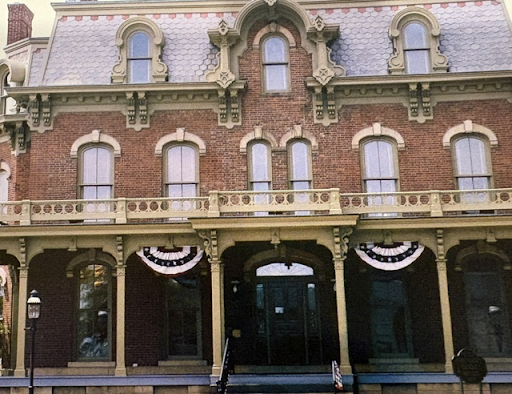
The National Historic Site was established in 2000 when President Bill Clinton signed it into the National Park System. The site includes the Ida Saxton McKinley House, the wife of President William McKinley, along with museum exhibits that explore the evolving role of First Ladies throughout American history.
The building itself is of ornate Victorian architecture reflecting the style and prosperity of the late 1800s. Inside there are exhibits featuring inaugural gowns, White House china, personal letters, photographs and historical displays that highlight the causes many First Ladies championed during their years in public life. The exhibits show these women not only as hostesses of the White House, but as advisors, advocates and influential public figures in their own right.
Each presidential era carried the story of not just the leader, but also the family, the marriage, and a woman whose role was often more demanding than history books sometimes acknowledge.

Read More From Nancy
Apostle Island National Lakeshore
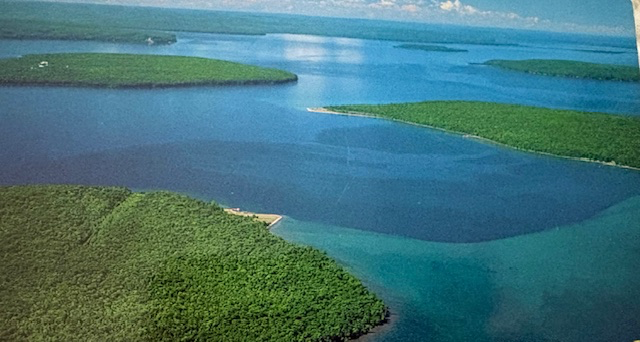
There are places in the National Park System that offer a different kind of experience. The Apostle Island National Lakeshore is one of those places. Reaching the Apostles is part of the experience. Located along the northern edge of Wisconsin on Lake Superior. The inland roads give way to water, and the sense of direction […]
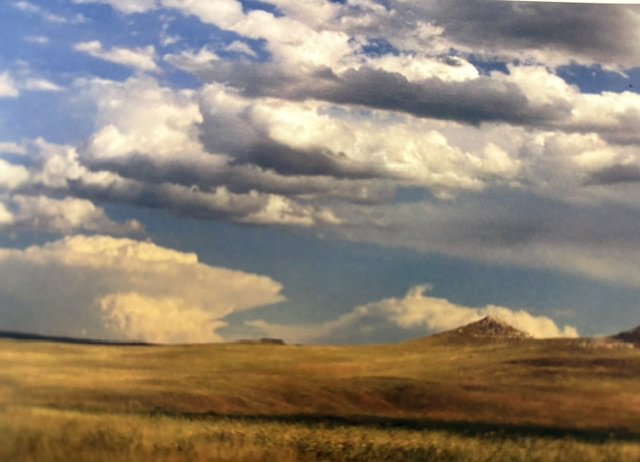
Agate Fossil Beds National Monument
Agate Fossil Beds National Monument protects one of the world’s richest windows into life nearly 20 million years ago. Agate Fossil Beds National Monument was established on June 5, 1965, to preserve one of the finest Miocene fossil sites in the world. The monument protects an extraordinary collection of ancient mammals whose remarkably preserved remains […]
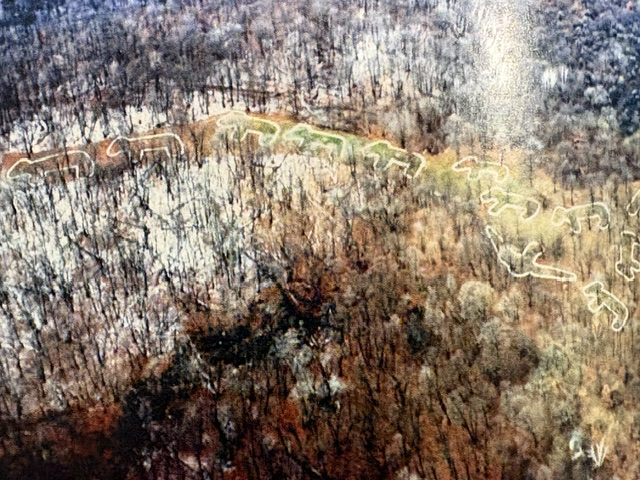
Effigy Mounds National Monument
Effigy Mounds National Monument in Harpers Ferry, Iowa, preserves one of the largest collections of prehistoric Native American mounds in the United States. Established as a National Monument in 1949, the park protects more than 2,500 acres containing over 200 mound sites, including 31 rare effigy mounds shaped like bears and birds. Built between approximately 500 […]

