Effigy Mounds National Monument
Effigy Mounds National Monument in Harpers Ferry, Iowa, preserves one of the largest collections of prehistoric Native American mounds in the United States. Established as a National Monument in 1949, the park protects more than 2,500 acres containing over 200 mound sites, including 31 rare effigy mounds shaped like bears and birds.
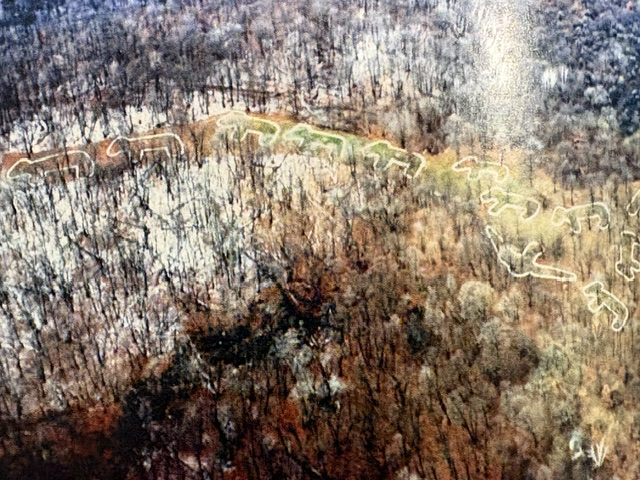
Built between approximately 500 BC and AD 1300, these earthworks were created by the Eastern Woodland peoples for ceremonial, spiritual, and burial purposes. While many Native American cultures built conical or linear mounds, the effigy mounds found in this region are unique because they were carefully shaped to resemble animals that held deep cultural and spiritual significance.
My visit to Effigy Mounds came during one of my solo trips while traveling to teach a seminar. I left early that morning so I could arrive when the monument opened. There was something special about having the trails to myself as I walked quietly through the woods, imagining the people who had gathered here centuries before.
Unlike many historic sites, there are no buildings or dramatic monuments to capture your attention. Instead, the significance of this place comes from what lies beneath your feet. The gentle shapes of the mounds blend naturally into the landscape
One of the things I enjoy most about visiting National Park Service sites is discovering places I knew little about before I arrived. Effigy Mounds was one of those discoveries. I left with a greater appreciation for the ingenuity of the Native peoples who created these remarkable earthworks and for the importance of preserving places that tell stories many of us were never taught.
Read More From Nancy
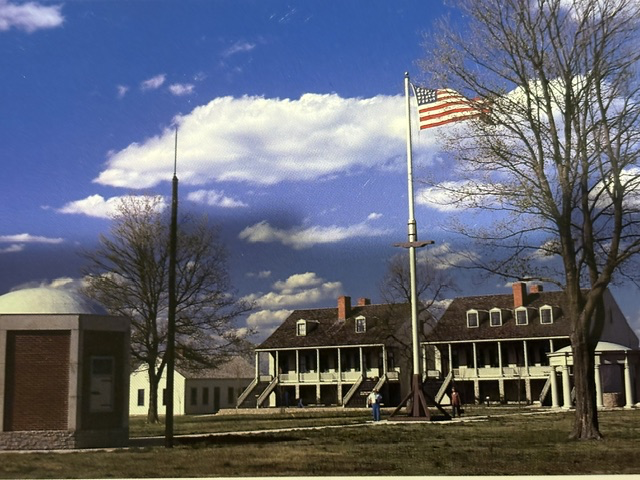
Fort Scott National Historic Site
Fort Scott National Historic Site preserves one of the most important frontier military posts in the American Midwest. The historic buildings, parade grounds and officers’ quarters bring visitors back to a time when the western frontier was rapidly expanding and the United States was struggling with issues that would eventually lead to the Civil War. Fort Scott […]
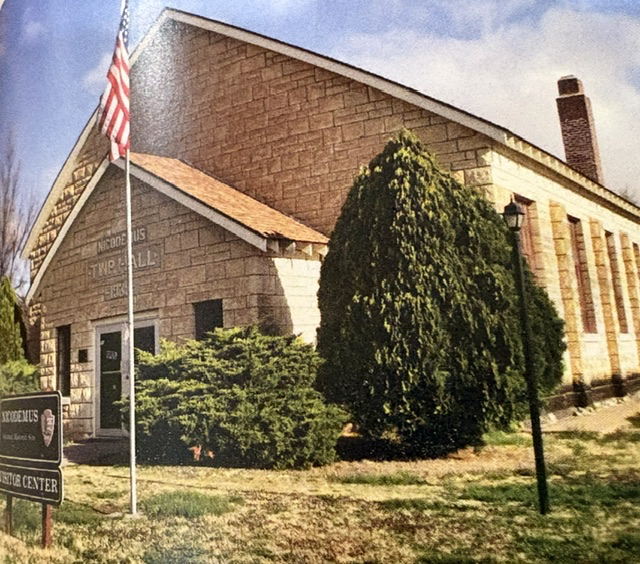
Nicodemus National Historic Site
I have traveled to many of our smaller National Park sites alone. Many of them require long drives across isolated roads where there is not much else to see along the way. But for me, the destinations are always worth it. When we were driving across Kansas towards Colorado, I asked Marty to take a detour […]
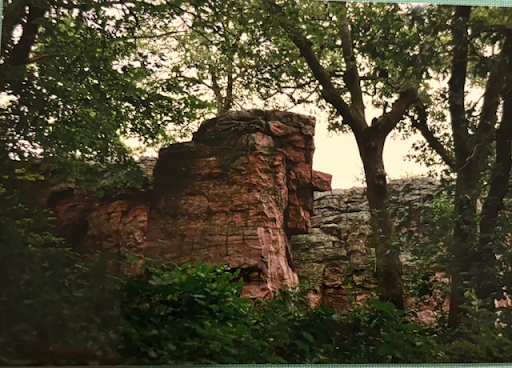
Pipestone National Monument
During our 1995 cross-country road trip, our route carried us through a part of Minnesota, where we stopped at one of the most remarkable sites: Pipestone National Monument. Here, the soft red stone, pipestone, has been quarried for centuries by Native people and carved into ceremonial pipes used in prayer and spiritual life. This is […]

