Mississippi National River and Recreation Area Minneapolis
While we were in Minneapolis teaching, we took some time to explore the Mississippi River. I had always associated the Mississippi with places much farther south, so it was particularly interesting to see the river here in Minnesota, relatively near the beginning of its long journey across the country.
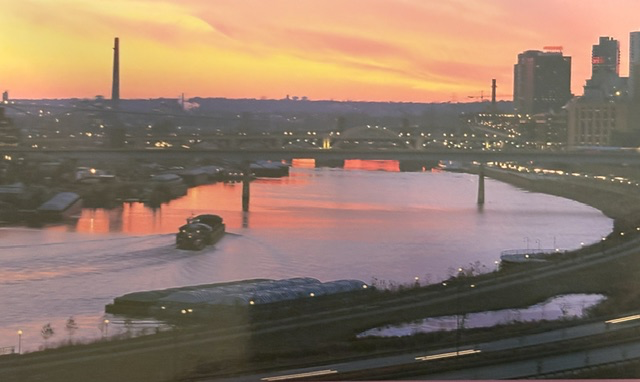
The Mississippi begins at Lake Itasca in northern Minnesota and travels approximately 2,350 miles before reaching the Gulf of Mexico. By the time it passes through Minneapolis and St. Paul, it has already grown considerably from the small stream that leaves Lake Itasca. Here it becomes part of the Mississippi National River and Recreation Area, a 72-mile corridor extending through the Twin Cities metropolitan region.
We experienced this section of the river from the water. This is a working river flowing directly through a major metropolitan area, surrounded by bridges, buildings, railroads, industry, and neighborhoods. Barges and towboats are still part of the landscape, continuing the river’s long role as a transportation and commercial route.
The river was instrumental in the development of both Minneapolis and St. Paul. St. Anthony Falls provided the waterpower that helped make Minneapolis a major flour- and lumber-milling center, while St. Paul developed as an important river port and, for many years, the head of navigation on the Upper Mississippi.
Congress established the Mississippi National River and Recreation Area on November 18, 1988, recognizing the historical, recreational, scenic, cultural, natural, economic, and scientific importance of this section of the river. Unlike many National Park sites, the National Park Service owns very little of the land. Instead, it works with local communities, state agencies, and other organizations to protect and interpret the river and its surrounding landscape.
Read More From Nancy
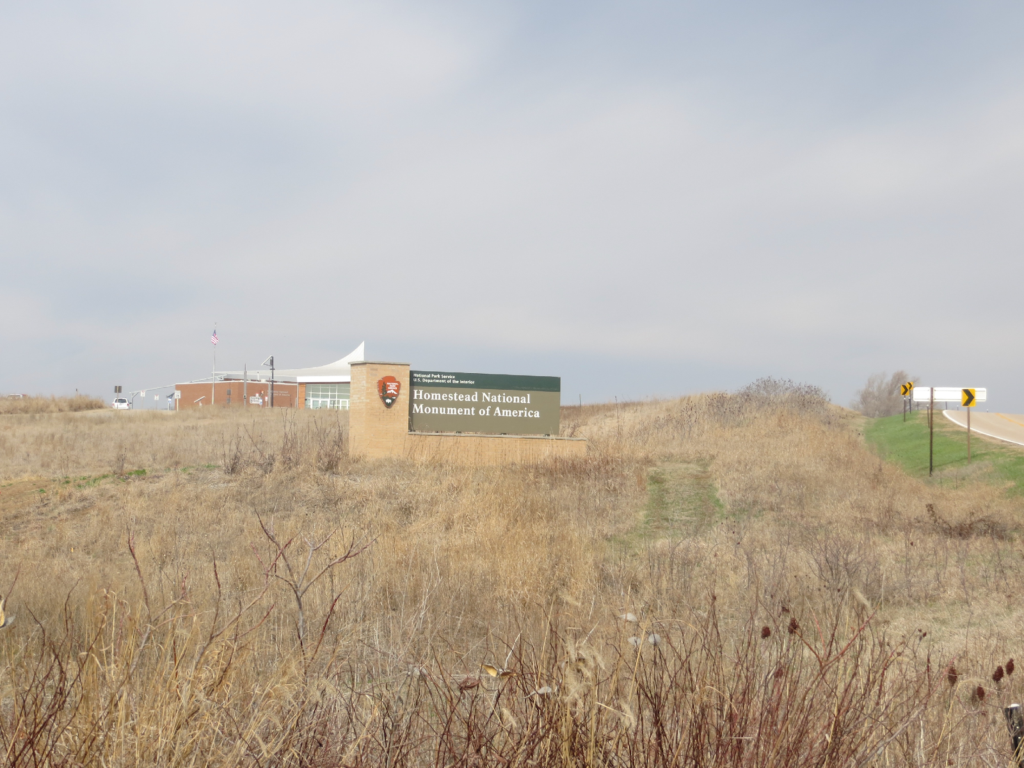
Homestead National Historical Park
Homestead National Historical Park in Beatrice, Nebraska preserves the story of one of the most transformative legislations in American history: The Homestead Act of 1862. Signed into law by President Abraham Lincoln, the Act allowed citizens to claim 160 acres of public land if they lived on it, built a dwelling and farmed it for […]
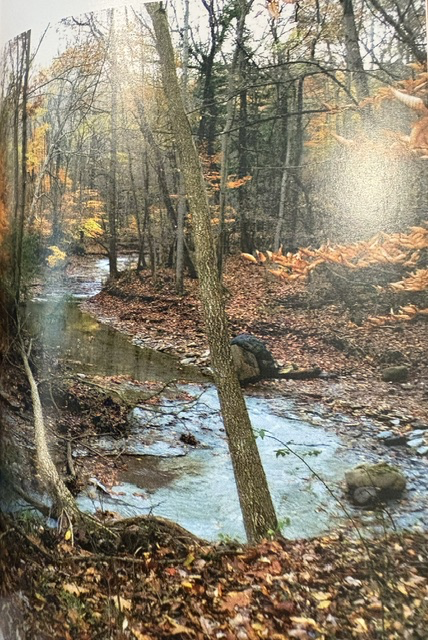
Cuyahoga Valley National Park
The winding Cuyahoga River, whose name is commonly interpreted as “crooked river”, flows through a landscape of rolling floodplains, steep valley walls, narrow ravines and lush upland forests. Located between Cleveland and Akron, Cuyahoga Valley National Park protects more than 33,000 acres within one of Ohio’s most heavily populated regions. Water shapes much of the […]
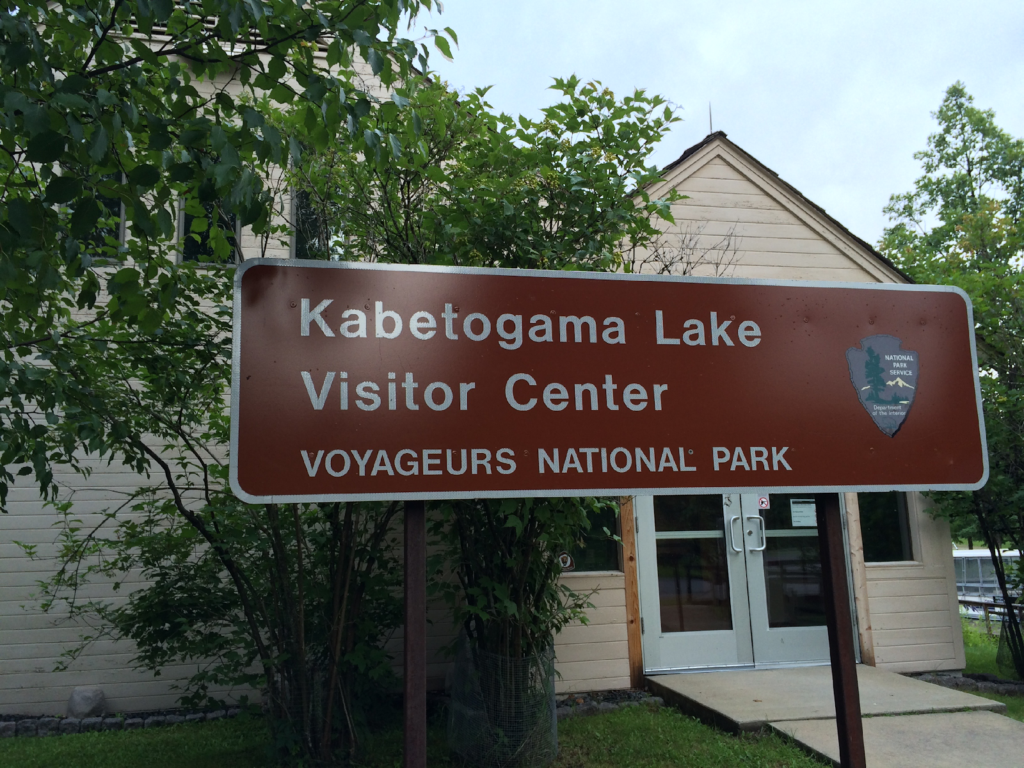
Voyageurs National Park
I have explored many National Parks on solo driving tours. There is something about the quiet rhythm of the road with long stretches of highway and time to think. Driving to Voyageurs in northern Minnesota was one of those journeys. I followed the North Shore of Lake Superior for part of the trip, marveling at its vastness. […]

