Cumberland Island National Seashore
A visit to Cumberland Island National Seashore requires a bit of planning, but the effort is well worth it. Located off the coast of Georgia, the island is accessible only by boat, helping preserve the undeveloped character that makes it one of the most unique places in the National Park System. Arriving by ferry feels like stepping back into a quieter world where nature, history and time seem to move at a different pace.
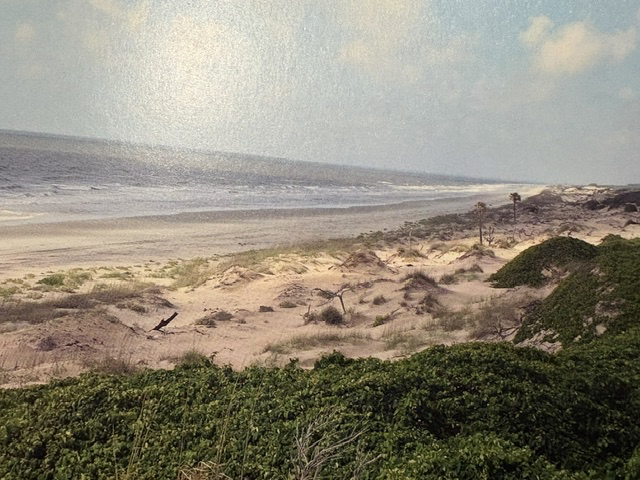
We spent a day exploring the island, sometimes led along trail with a ranger who shared stories about both the natural environment and the people who once called Cumberland Island home. There is a sense of wildness with long stretches of undeveloped beach, rolling dunes, and salt marshes creating a landscape that feels untouched.
Among the island’s most famous residents are the wild horses that roam freely along the beaches, roads, and trails. They have become one of the defining images of Cumberland Island.
The island is also known for the ruins of Dungeness, the grand mansion built by Thomas Carnegie, brother of Andrew Carnegie. Once a magnificent estate overlooking the island, the mansion was destroyed by fire in 1959. The ruins remain one of Cumberland Island’s most recognizable landmarks and serve as a reminder of both the wealth of the Gilded Age.
Recognizing the island’s extraordinary natural and historical significance, Congress established Cumberland National Seashore in 1972. Today, the seashore protects nearly 18 miles of undeveloped beach along with maritime forest, historic sites, wildlife habitat and one of the most pristine barrier island environments on the Atlantic coast. It is easy to understand why so many people consider Cumberland Island one of the most special places in the National Park System.
Read More From Nancy
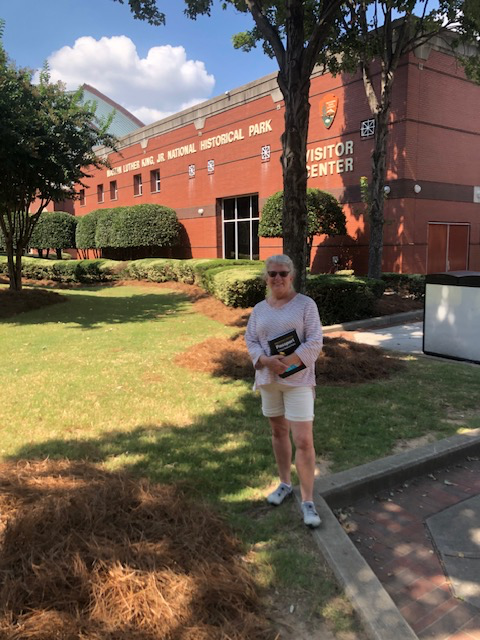
Martin Luther King Jr. National Historical Park
We have visited Martin Luther King Jr. National Historical Park many times over the years, and each visit unfolds a little differently. Originally, this area was established in 1980 as an Historic Site by Jimmy Carter. It was later redesignated as a National Historical Park in 2018, expanding its recognition and preserving the broader legacy of Dr […]
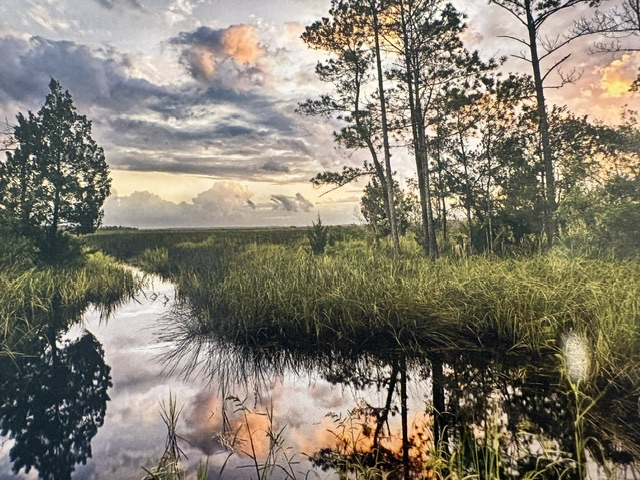
Timucuan Ecological and Historic Preserve
The National Park Service protects places where history unfolded over thousands of years as well as places where a single dramatic event occurred. Timucuan Ecological and Historic Preserve, near Jacksonville, Florida, is one of those places. Established in 1988, the preserve encompasses more than 46,000 acres of salt marshes, tidal creeks, rivers, hardwood hammocks, and […]
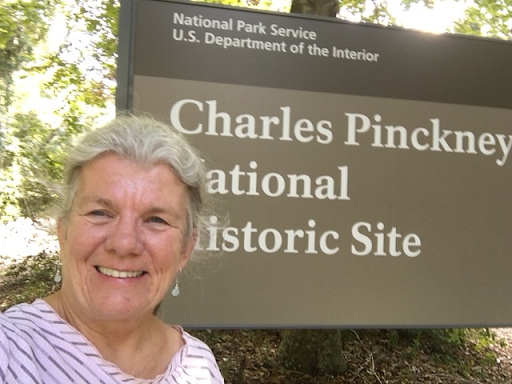
Charles Pinckney National Historic Site
In 2018, while traveling to Charleston for a wedding, I took a side trip across the Cooper River to a place connected to the founding of our nations: Charles Pinckney National Historic Site. This site in Mount Pleasant, S.C., preserves Snee Farm, land once owned by one of America’s Founding Fathers. Charles Pinckney was born […]

