Morristown National Historical Park
The Morristown National Historical Park is a Revolutionary War landscape, not a single battle but a place of endurance and survival.
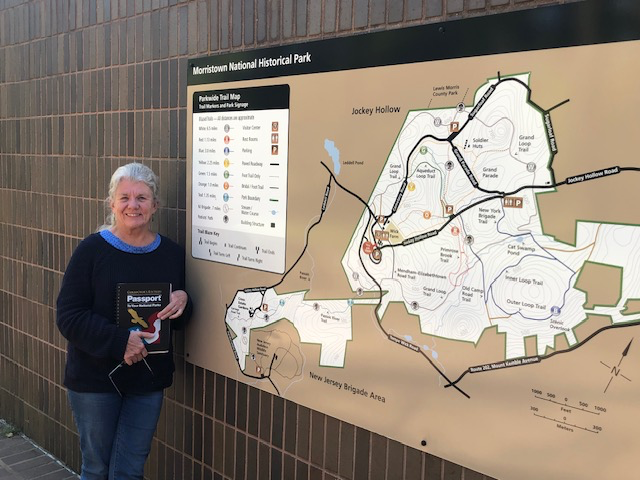
Located in Morristown, New Jersey, the park preserves land and structures tied to three winter encampments of the Continental Army between 1777 and 1780. Most famously, it includes Jockey Hollow, where thousands of soldiers endured the brutal winter of 1779-80, the coldest on record, while training, and reorganizing the fragile American cause together.
At the heart of Morristown’s story stands George Washington. From his headquarters during that severe winter, he coordinated strategy, struggled with shortages of food and clothing and kept his army intact through discipline and leadership.
Unlike Valley Forge, remembered for deprivation, Morristown reflects resilience when the war’s outcome was still uncertain. By 1779-80, the war was dragging on. Public support wavered and supplies were unreliable. Desertion and frustration threatened morale.
Holding together at Morristown sent a powerful signal to Congress, to the citizens and to foreign allies. The Continental Army was no longer a fragile experiment, but it was becoming a permanent fighting force.
Morristown mattered because it proved the army could survive extreme hardship, maintain discipline, stay united and continue to fight when the outcome was far from certain.
Morristown holds a special place in preservation history. In 1923, President Franklin D. Roosevelt designed it as a unit of the National Park System, making it the first National Historical Park in the United States.

Read More From Nancy
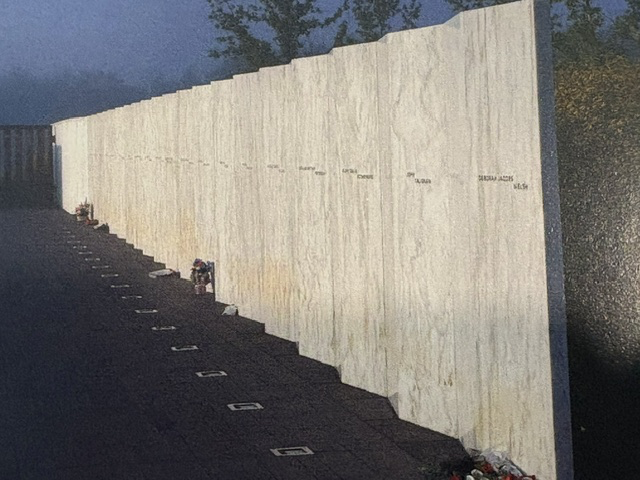
Flight 93 National Memorial
I visited the Flight 93 site when the memorial was still in its early stages. There was very little there compared with the national memorial that has since been created. In some ways, that sparseness made the experience even more poignant. There were few distractions from the landscape itself and from the events that had […]
Great Egg Harbor National Scenic and Recreational River
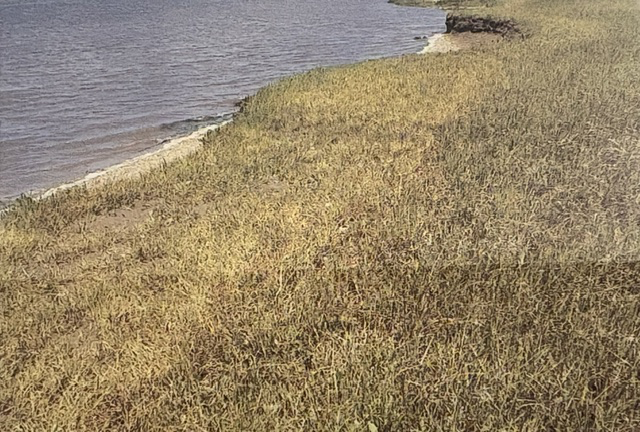
Beginning as little more than a trickle near Berlin, New Jersey, the Great Egg Harbor River gradually gathers the waters of seventeen tributaries as it winds through the forests and wetlands of the Pine Barrens. Along the way, the narrow stream becomes a broad tidal river before reaching Great Egg Harbor Bay and the Atlantic […]
Eisenhower National Historic Site
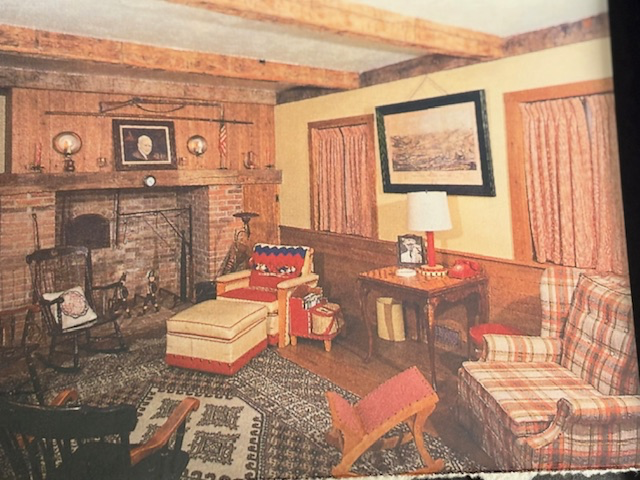
In Gettysburg is the only home that Dwight D. Eisenhower ever owned. A leader during World War II and later President, he lived a life defined by service. The home, now preserved as the Eisenhower National Historic Site, reflects a different side of his life. This modest farm is quiet, practical and personal. Eisenhower purchased the […]

