Gettysburg National Military Park
On our first visit to Gettysburg National Military Park, we hired a Park Ranger to guide us through the battlefield and bring the events that unfolded here to life. Standing on these fields, it became clear that Gettysburg is far more than monuments and cannons. It is a landscape where the course of American history changed forever.
The Battle of Gettysburg took place July 1-3, 1863, and became the turning point of the Civil War. More than 50,000 soldiers were killed, wounded or missing after three days of intense fighting. As we traveled from site to site with the ranger, the hills, ridges, and open fields became understandable. You could begin to see why certain positions mattered and how geography shaped the outcome of the battle.
Having a ranger explain the battle transformed the experience. Instead of simply looking at cannons and memorials, we could imagine the courage and chaos that soldiers faced here. Places like Pickett’s Charge became more than names from a history book.
Gettysburg was first preserved as Gettysburg National Military Park in 1895 under the War Department. When the National Park Service was created in 1916, the battlefield was not immediately transformed. That change came in 1933 under President D. Roosevelt, when Gettysburg and many other historic battlefields officially became part of the National Park System.

Looking back at this photo of our girls sitting on one of the cannons, I remember how many of our family travels became tied to history and the National Parks. Our family road trip became part of a larger journey of understanding the people, sacrifices and events that shaped the nation.
Read More From Nancy
Shenandoah National Park
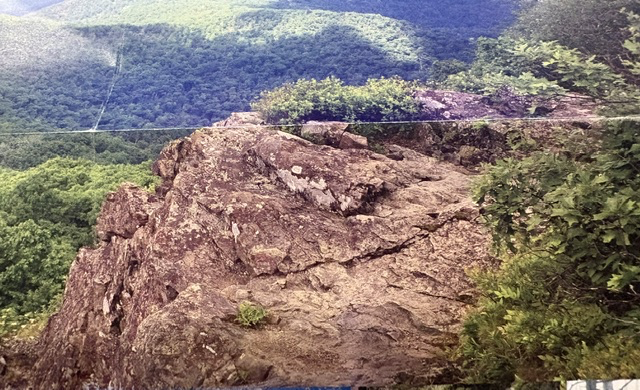
Shenandoah National Park protects a beautiful section of Virginia’s Blue Ridge Mountains, the easternmost range of the Appalachian Mountains. Forested ridges, rocky summits, waterfalls and deep valleys create a landscape that changes with the seasons and stretches toward the Shenandoah Valley in the west and the Virginia Piedmont in the east. Skyline Drive follows the […]
First State National Historical Park
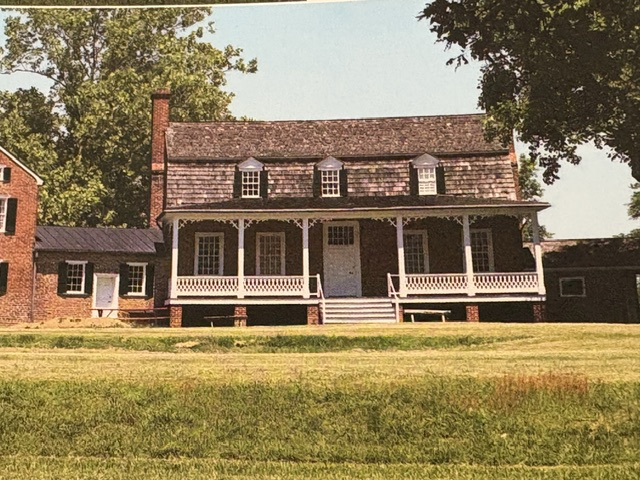
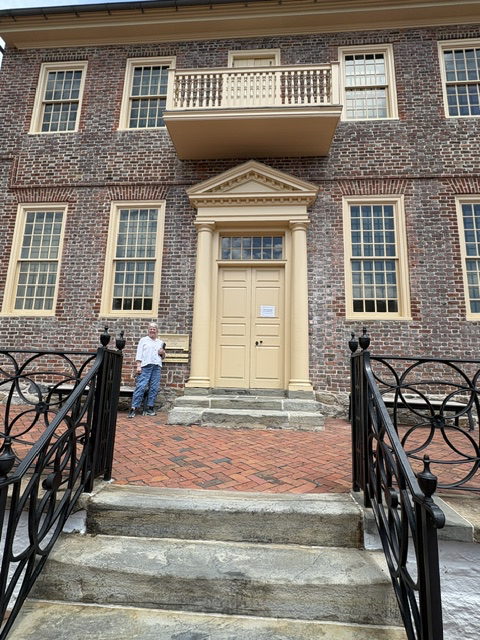
For decades of my National Park explorations, Delaware was the only state that did not have a location within the National Park Service…….until 2013, when President Barack Obama established First State National Historical Park as a new unit of the National Park Service. Delaware is known as “The First State” because it was the first […]
Petersburg National Battlefield
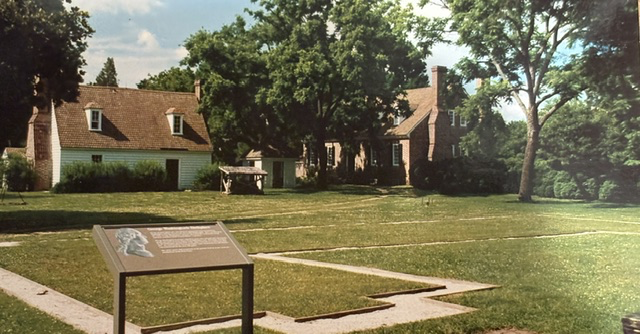
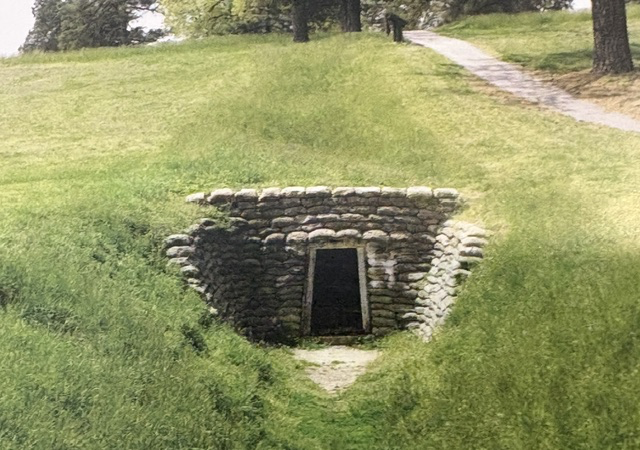
Petersburg National Battlefield in Petersburg, Virginia, preserves the site of one of the longest and most important campaigns of the Civil War. Established as a national military park in 1926, it tells the story of the ten-month siege that ultimately led to the fall of both Petersburg and the Confederate capital of Richmond. The earthwork […]

