Massachusetts
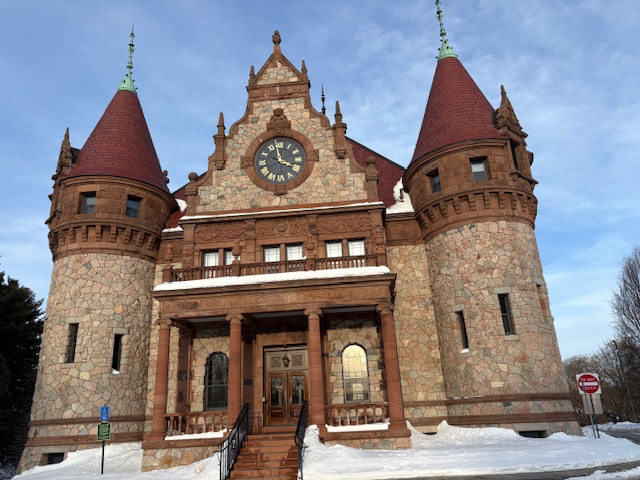
Hometowns
Stow, MA
Stow was incorporated in 1683, beginning as a rural farming community shaped by its fields, forests, and the Assabet River. Unlike many nearby towns that grew into centers of industry, Stow remained closely tied to the land, defined by agriculture and open space rather than mills and factories. Over time, it became a place of preservation, where the landscape itself, orchards, conservation land, and quiet roads, reflects a continuity with its earliest days. Today, Stow offers a different kind of history, one not built on rapid change, but on what has been carefully maintained, where the character of the town is still rooted in the land that first defined it.
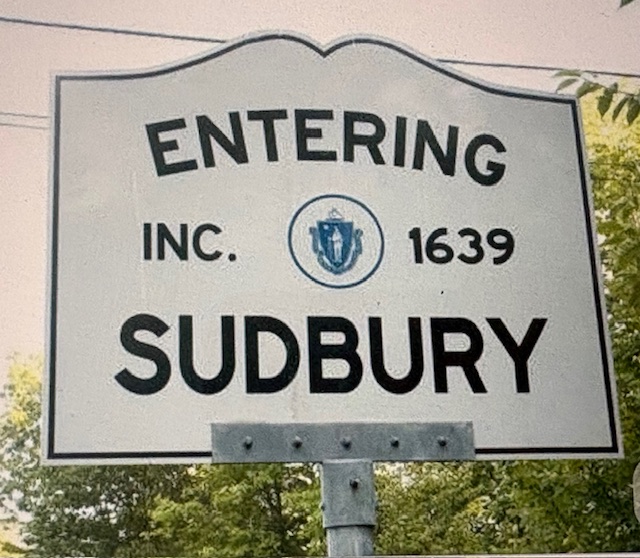
Sudbury, MA
Sudbury was incorporated in 1639, making it one of the earliest inland settlements in Massachusetts. Originally an agricultural community along the Sudbury River, it played a significant role during King Philip’s War and later became known for its historic roads, early meetinghouses, and preserved colonial homes. Sudbury’s landscape and landmarks still reflect its deep 17th-century roots and enduring New England character.
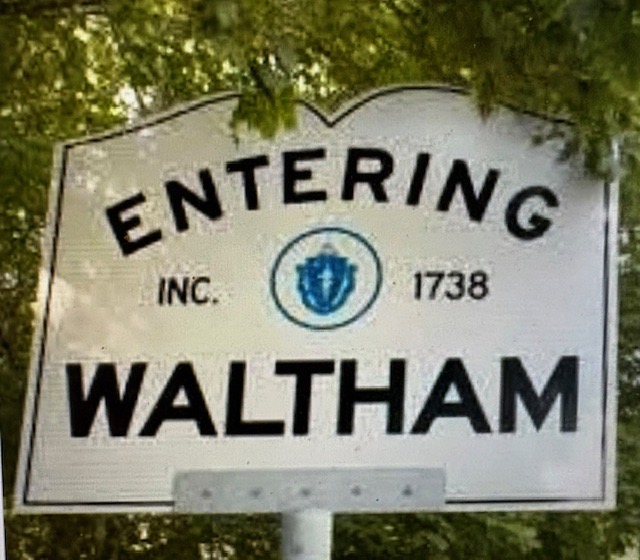
Waltham, MA
Waltham was incorporated in 1738 and later became a city in 1884, growing from a farming settlement into a center of the American Industrial Revolution known as “Watch City” for the Waltham Watch Company. The power of the Charles River helped shape its industrial identity, leaving a legacy still visible along its riverbanks and downtown streets. Waltham is also personally meaningful to me — it is the city where I practiced chiropractic for many years, becoming part of its evolving community story.
Wayland, MA
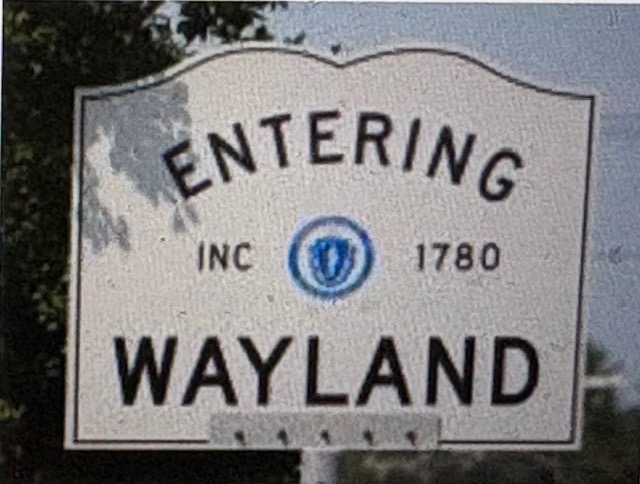
Wayland was incorporated in1780, originally as East Sudbury, when the eastern parish separated from Sudbury and formed its own town government; in 1835, residents voted to rename it Wayland in honor of Rev. Francis Wayland, president of Brown University. Set along the Sudbury River, the town’s fertile meadows and waterways shaped its early agricultural life and sustained generations of farming families, and that river still defines its landscape today, winding past conservation land, historic homes, and quiet roads that preserve the character of its colonial beginnings and the steady rhythm of a New England community rooted in land, water, and local governance.
Wellesley, MA
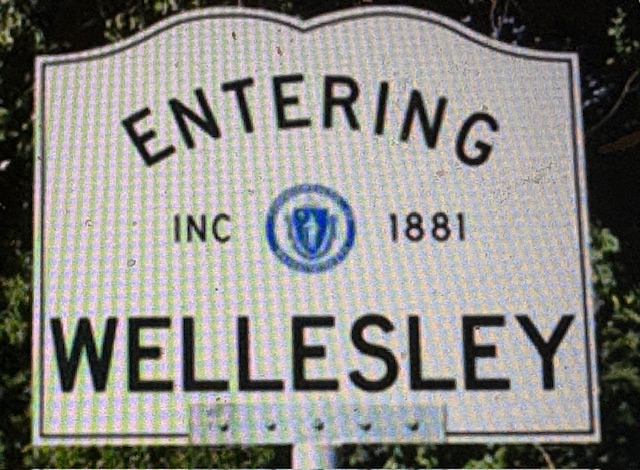
Wellesley was incorporated in 1881, formed from parts of Needham and originally known as West Needham. The town grew around the railroad and became especially known for the founding of Wellesley College, shaping its identity as a center of education and civic life. Wellesley is especially meaningful to us — it is where our second daughter was born and where we have worked at Wellesley Chiropractic Office since 1982, weaving our family and professional story into the life of the town.
Westborough, MA
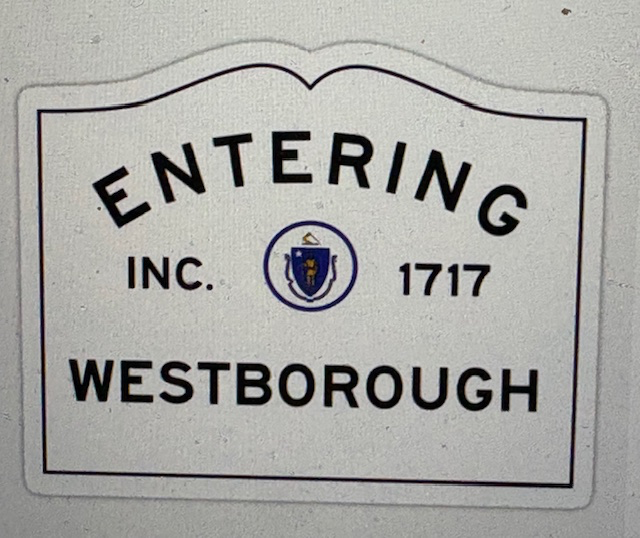
Westborough was incorporated in 1717, formed from parts of Marlborough, and developed as a small inland town shaped by agriculture and early industry. Located along key routes between Boston and Worcester, it became a place of steady movement and growth. In the 19th century, Westborough played a role in the evolving ideas of social reform, most notably as the site of the Lyman School for Boys, one of the first reform schools in the country focused on rehabilitation rather than punishment, and later the Westborough State Hospital, known for its early efforts toward more humane mental health care.
Weston, MA
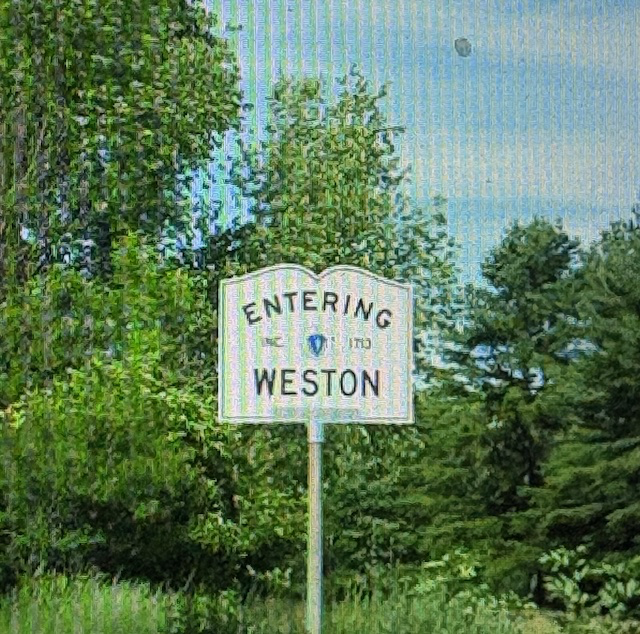
Weston was incorporated in 1713, beginning as a rural farming community west of Boston, defined by its open land, stone walls, and early homesteads. Unlike many neighboring towns that turned toward industry, Weston remained largely residential, shaped by its proximity to Boston and its role as a place of retreat rather than production. Over time, it became known for its estates, historic homes, and preserved landscapes, as well as its emergence as one of the more affluent communities in the region, where wealth has often been expressed through space, privacy, and continuity rather than industry. Today, Weston reflects these layers of history, land, legacy, preservation, and prosperity, offering a story shaped not by what was built quickly, but by what has been carefully maintained over time.

