Massachusetts
Hometowns
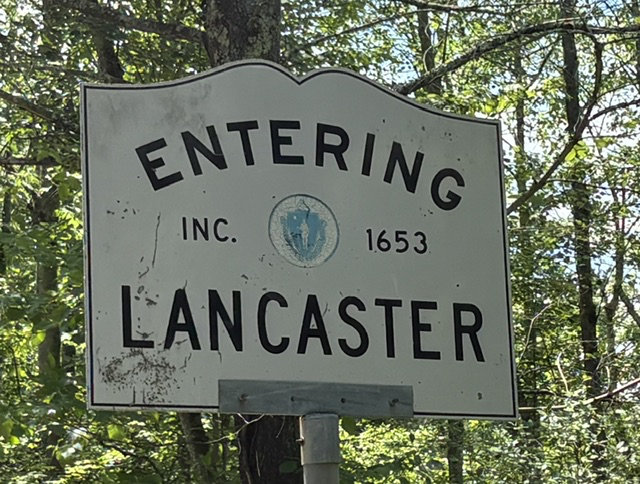
Lancaster, MA
Lancaster was incorporated in 1653, making it one of the oldest towns in Massachusetts and the first permanent English settlement in the Nashua River Valley. Established along fertile farmland and important Native American trails, the town developed as an agricultural community characterized by broad fields, village centers, and the civic traditions that defined early New England life. Because of its frontier location, Lancaster played a significant role in King Philip's War and endured several attacks during the seventeenth century, experiences that shaped the town's early history. Over the centuries, Lancaster retained much of its rural character while preserving an exceptional collection of colonial, Federal, and Victorian homes. Scenic roads, historic churches, and broad stretches of open land give the town a timeless quality that reflects centuries of careful stewardship. Today, Lancaster remains a community where history and landscape are closely intertwined. Its farms, historic districts, and quiet country roads preserve the character of one of Massachusetts' oldest towns, offering a living connection to the colonial origins of New England and the generations of people who have called this place home.
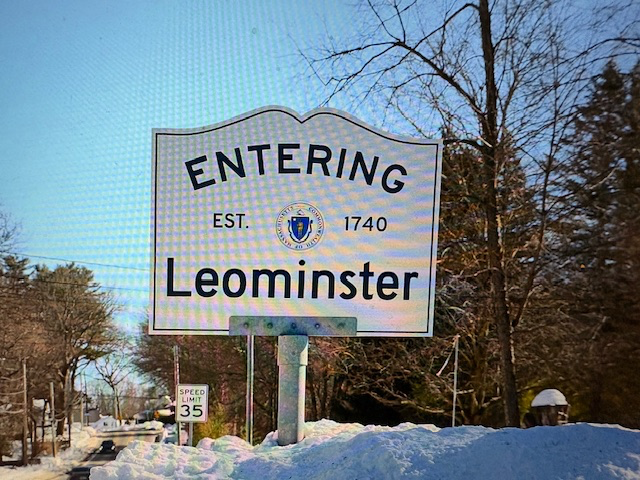
Leominster, MA
Leominster was incorporated in 1740, beginning as an agricultural settlement before evolving into a center of manufacturing in the 19th and 20th centuries. The city became especially known for its role in the plastics industry, earning the nickname “the Pioneer Plastics City” as innovation in manufacturing helped shape modern consumer goods. Leominster is also closely associated with Johnny Appleseed (John Chapman), who was born here and later became an enduring American folk figure, known for spreading apple orchards across the frontier.Today, Leominster reflects these layers of history, farmland, industry, innovation, and service, offering a story shaped by both tradition and the people who carried it forward.
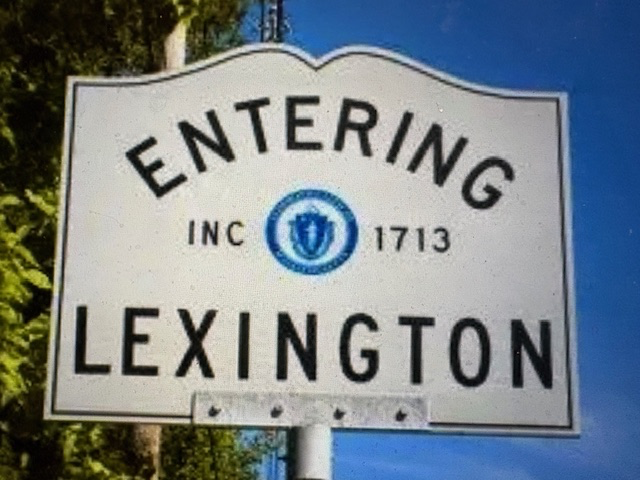
Lexington, MA
Lexington was incorporated in 1713, evolving from the earlier settlement known as Cambridge Farms. Originally a farming community organized around its town common, Lexington developed the classic New England pattern of shared land, meetinghouse governance, and tightly woven civic life. On April 19, 1775, the town’s quiet green became the site of the opening battle of the American Revolution, forever linking Lexington to the birth of the nation. Today, its preserved Battle Green, historic taverns, and colonial homes reflect a community where local life and national history remain inseparably connected.
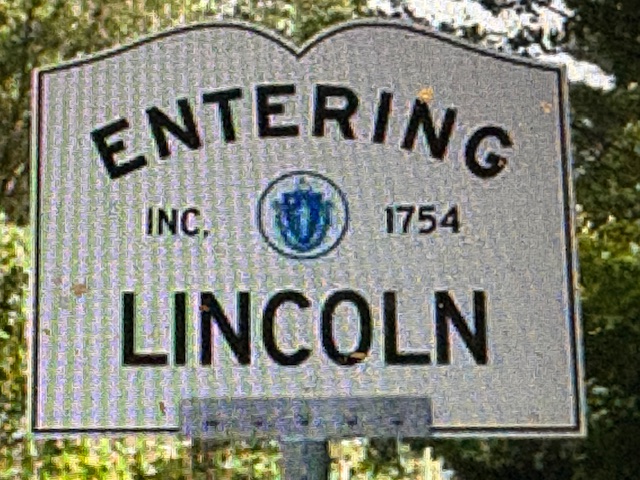
Lincoln, MA
Lincoln was incorporated in 1754, formed from portions of Concord, Weston, Sudbury, and Lexington. Though rooted in colonial farming, the town later became known for its strong conservation ethic and preservation of open space, giving it a distinctly rural character close to Boston. Lincoln’s landscape of protected fields, historic homes, and literary and architectural landmarks reflects a community deeply committed to land stewardship and thoughtful development.
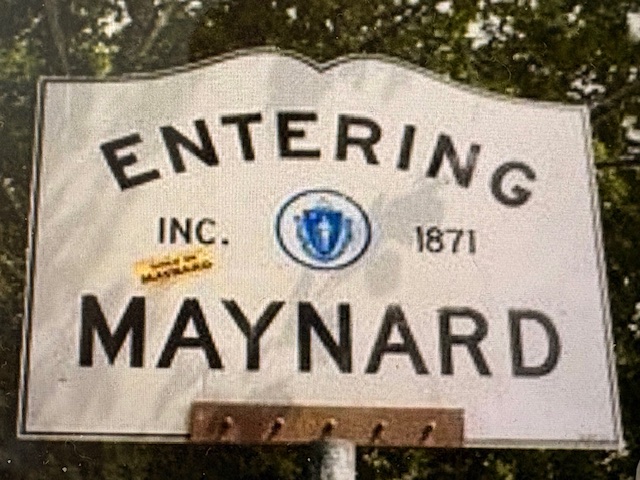
Maynard, MA
Maynard was incorporated in 1871, formed from parts of Stow and Sudbury during the height of the Industrial Revolution. Unlike many older colonial towns nearby, Maynard grew as a mill town centered around the Assabet River and the large woolen mills that powered its economy. Its industrial roots and compact downtown give it a distinctly different character from its more agrarian neighbors.
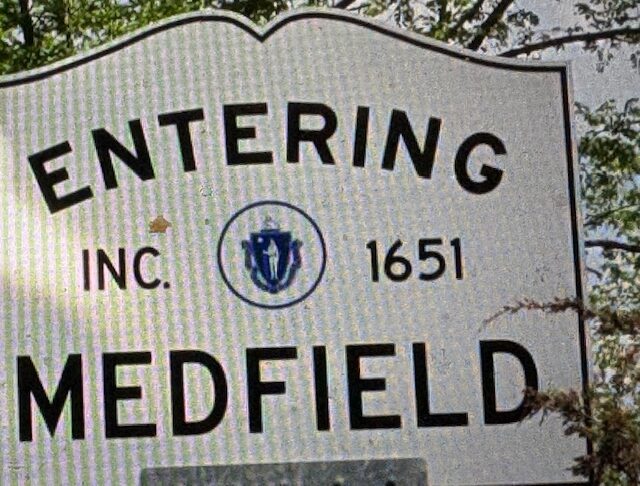
Medfield, MA
Medfield was incorporated in 1651, making it one of the older inland towns in Massachusetts. Originally an agricultural community, it is especially remembered for the 1676 attack during King Philip’s War, when much of the town was burned. Today, Medfield’s expansive town green and historic homes reflect a community that rebuilt and preserved its colonial character.
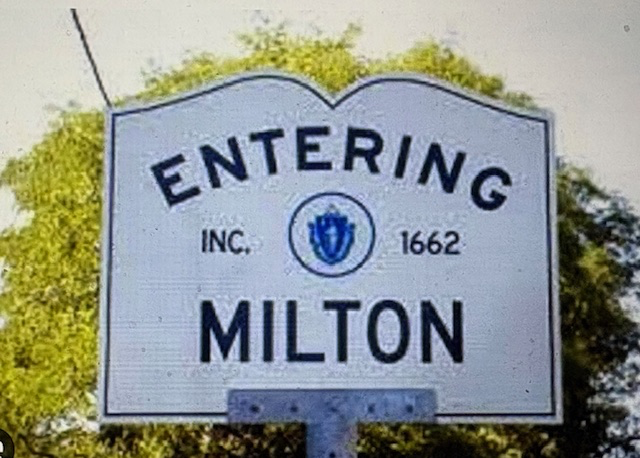
Milton, MA
Milton was incorporated in 1662, originally part of the town of Dorchester before becoming one of the earliest independent communities in the Massachusetts Bay Colony. Situated along the Neponset River and near Boston, Milton developed as a prosperous agricultural town with early industries powered by the river’s mills. The area became known for shipbuilding, paper mills, and later the chocolate manufacturing of the Walter Baker Company at Lower Mills. With its proximity to Boston and its rolling landscape at the foot of the Blue Hills, Milton evolved into a community that blended early industry, farming, and eventually suburban life while preserving much of its colonial character.
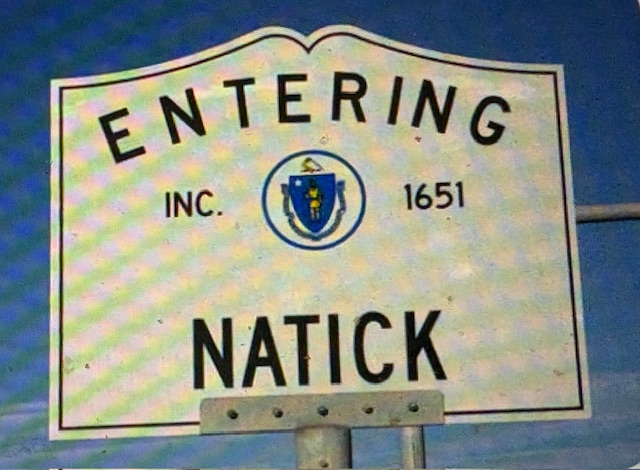
Natick, MA
Natick was incorporated as a town in 1781, though it began in 1651 as a Praying Indian settlement founded by missionary John Eliot. Its origins as one of New England’s first organized Native American Christian communities give the town a uniquely layered and complex history. Natick has been home to me since 1987, a place where I’ve watched history and community continue to unfold.
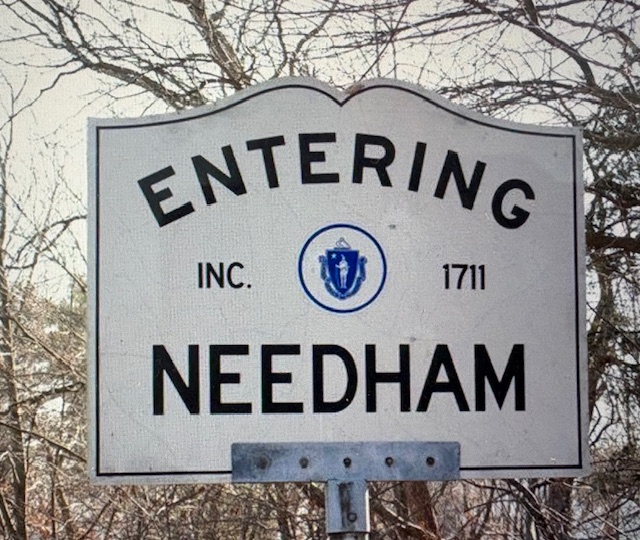
Needham, MA
Needham was incorporated in 1711, having separated from Dedham as its North Parish. Originally a farming community along the Charles River, it later became known in the 19th century for its shoe manufacturing industry, earning a reputation as a thriving industrial town. Today, Needham blends its colonial and industrial roots with a strong sense of civic life and community continuity.
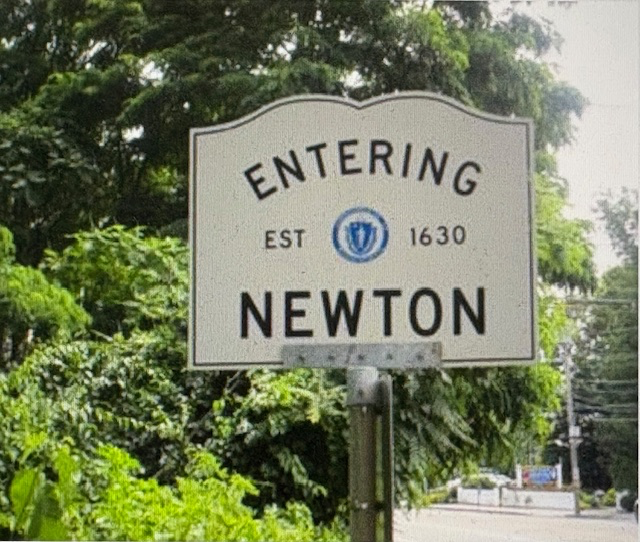
Newton, MA
Newton traces its origins to 1630, when settlers from nearby Cambridge began farming the fertile lands along the Charles River. Over time a series of small village centers developed across the landscape, each serving the surrounding farms and mills. By the nineteenth century, improved transportation and rail connections transformed Newton into an attractive residential community for those working in Boston. In 1873 the town adopted a city form of government, becoming the City of Newton. Known as the “Garden City,” Newton still reflects its early pattern of village neighborhoods that grew from those original seventeenth-century settlements.
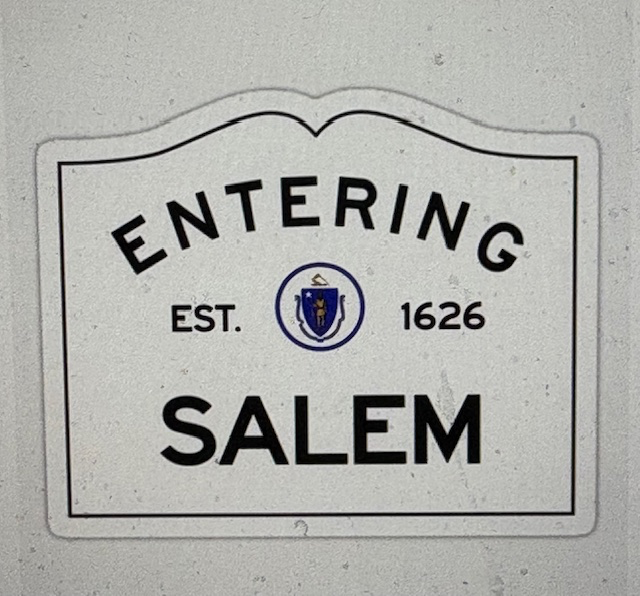
Salem, MA
Salem was incorporated in 1626, making it one of the earliest English settlements in New England, and it is most famously linked to the Salem Witch Trials of 1692, a defining and cautionary moment in American history. In the 18th and early 19th centuries, Salem became one of the nation’s most important seaports, building global trade connections that brought great wealth and cultural exchange to the town. Today, Salem holds these layers together, its maritime past, its complex history, and its role as a place of reflection, offering a story shaped by both prosperity and profound lessons that continue to resonate.
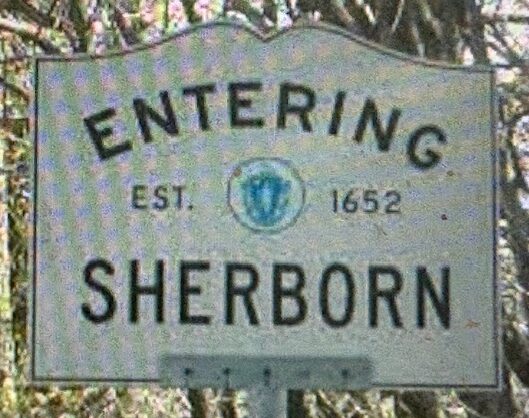
Sherborn, MA
Sherborn was incorporated in 1674, originally settled as a farming community along the Charles River. It is especially known for maintaining its rural character, with preserved open land and scenic roads that reflect its agricultural beginnings. Sherborn’s small town center and strong commitment to conservation continue to echo its colonial roots and quiet New England identity.

