St. Andrews, NB
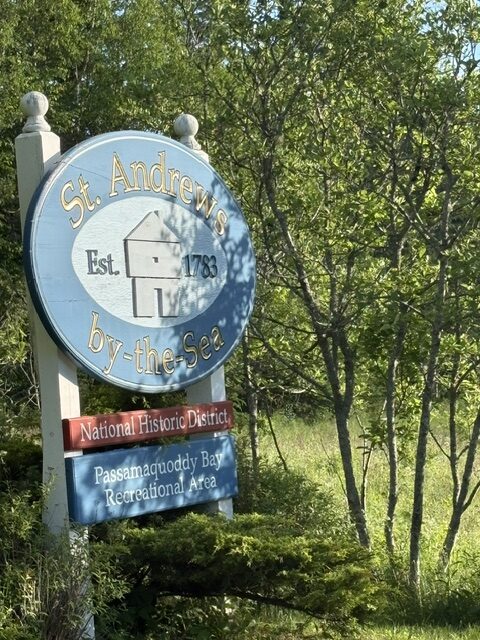
Located on Passamaquoddy Bay in southwestern New Brunswick, St. Andrews is a seaside town shaped by its sheltered harbour, coastal setting and Loyalist origins. Established in 1783 by people who remained loyal to Britain during the American Revolution, it became a prosperous seaport and the administrative centre of Charlotte County. Some settlers brought their wooden houses from Castine, in present-day Maine, transporting them across the bay and rebuilding them in their new community.
The town developed around a carefully planned grid of streets, with spaces reserved for public buildings, defensive works and common land. That eighteenth-century layout remains visible, along with houses and commercial buildings that trace its growth from a Loyalist settlement into an established coastal community. During the late nineteenth century, St. Andrews also emerged as a summer resort, attracting visitors drawn to its seaside climate and scenery. Railway connections and resort development helped give the town a new economic role as its earlier maritime trade changed.
Today, St. Andrews combines its identity as a coastal destination with an unusually well-preserved historic townscape. Its original townsite was designated a National Historic Site in 1995, recognizing the survival of its early plan and the architectural character of its streets. Along Water Street and the surrounding residential blocks, the town’s history remains part of everyday surroundings. Known widely as St. Andrews by-the-Sea, it preserves the connected stories of Loyalist resettlement, maritime commerce and the growth of seaside tourism.
Recent Posts
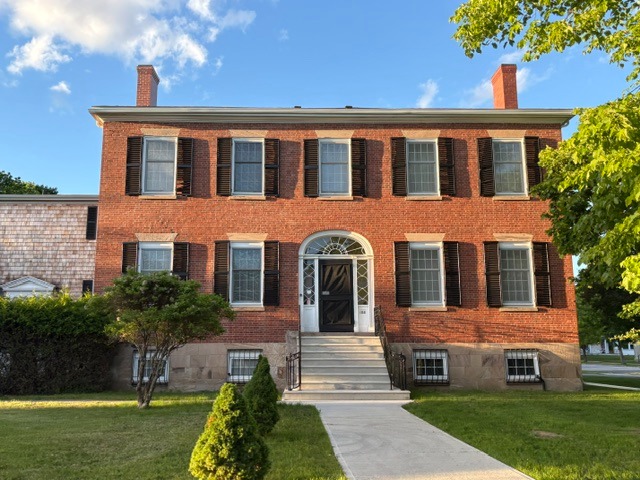
Chestnut Hall and the Ross Memorial Museum
Built in 1824, Chestnut Hall has served as a private residence, a center for regional crafts, and a museum. The red-brick house on Montague Street was constructed for Harris Hatch, an attorney and prominent Charlotte County resident. Its symmetrical windows, dark shutters, and central entrance reflect its classical design. A patterned fanlight and sidelights surround […]
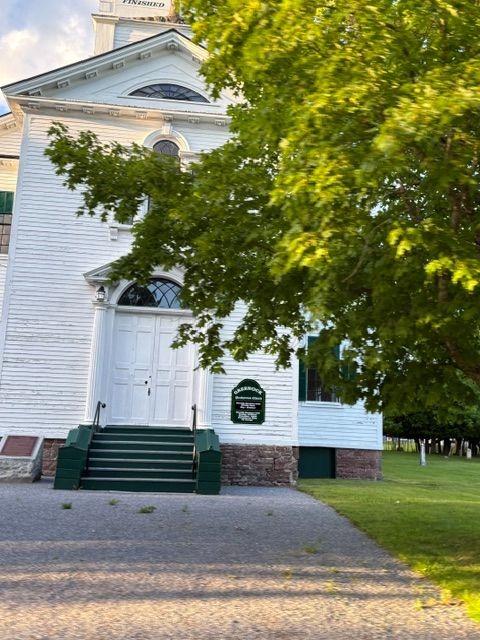
Greenock Presbyterian Church
On Montague Street in St. Andrews, Greenock Presbyterian Church preserves a connection between the town’s early religious life and its Scottish heritage. Built between 1821 and 1824 by local builder Donald D. Morrison, the wooden church combines the straightforward form of an American meetinghouse with the classical details of British Palladian architecture. Its entrance, arched […]
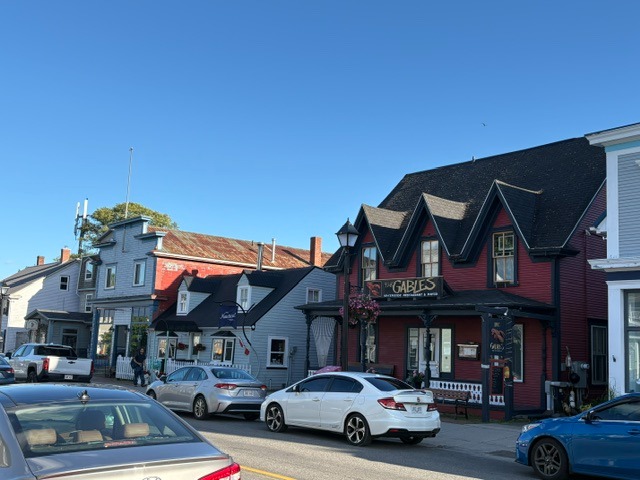
Water Street
Running parallel to the harbour, Water Street developed as the commercial centre of St. Andrews. Its closely spaced wooden buildings recall a town where merchants, shopkeepers and travellers depended on the movement of goods and people through Passamaquoddy Bay. Within the orderly street grid established after the Loyalists arrived in 1783, the waterfront road became […]
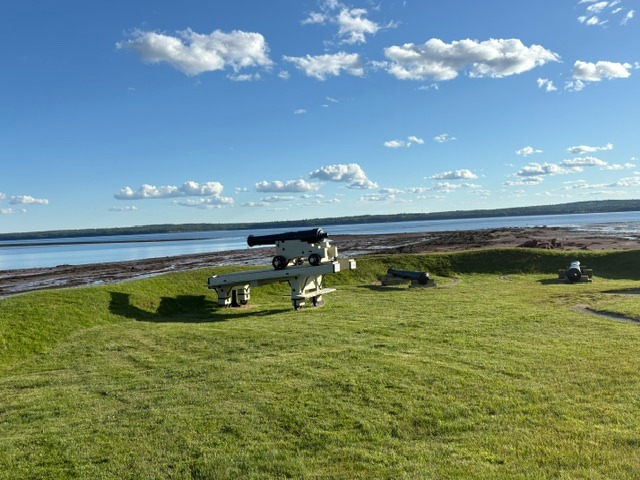
The Shoreline Battery
On the waterfront at St. Andrews, a cannon mounted on a wooden carriage faces the waters of Passamaquoddy Bay. Its position recalls the shoreline battery established during the War of 1812, when residents feared that armed vessels might approach the harbour. Here, the water that supported the town’s commerce also offered a route by which […]
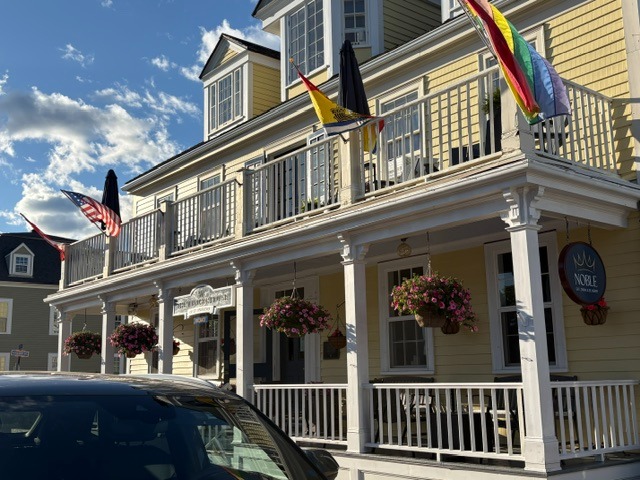
Windsor House
At 132 Water Street in St. Andrews, Windsor House preserves the story of a Loyalist family home that later became a place of hospitality. Built in 1797 for Captain David Mowat and his wife, Mehitable Calef, the wooden house dates from the town’s early development. Its balanced façade, central entrance and side-gabled roof reflect the […]
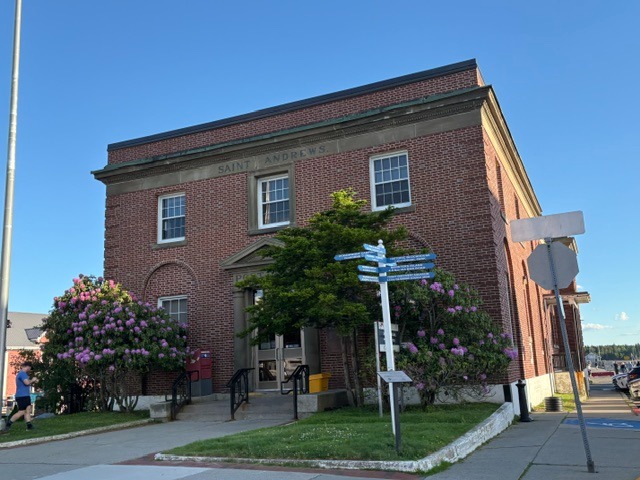
The Post Office and Customs Building
Overlooking Market Square near the waterfront, the St. Andrews Federal Building was constructed in 1936 to accommodate the town’s post office and customs services. Bringing these functions together placed two important connections with the wider world under one roof: the movement of correspondence and the regulation of goods entering the country. Its prominent location made […]
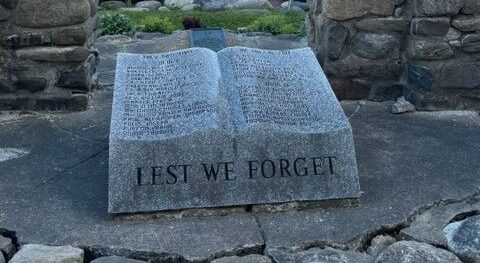
The War Memorial
At Market Square on the St. Andrews waterfront, a rough stone arch shelters a granite memorial carved in the shape of an open book. A lantern hangs beneath the arch, while the book’s pages carry the names of people from the community who died in war. Across its base, the words “LEST WE FORGET” state […]

