Saint John, NB
Located where the Saint John River meets the Bay of Fundy, Saint John is a historic port city shaped by the sea. Its sheltered harbor supported fishing, shipbuilding, trade, and immigration, connecting New Brunswick with communities throughout the Atlantic world.
Thousands of Loyalists arrived here following the American Revolution, establishing the settlements of Parr Town and Carleton. In 1785, the two communities were united by royal charter to create Saint John, making it the first incorporated city in Canada. Nearly a century later, the Great Fire of 1877 destroyed more than 1,600 buildings and left approximately 13,000 people homeless. The city quickly rebuilt, filling its streets with the substantial brick and stone buildings that still give Uptown Saint John much of its historic character.
Today, Saint John is known as “The Port City,” a name that reflects the continuing importance of its waterfront. Its City Market, Loyalist House, churches, public squares, burial grounds, and restored commercial buildings preserve the stories of Loyalist settlement, immigration, maritime commerce, disaster, and recovery. Saint John is a city that has repeatedly been shaped by arrivals and departures and by the determination of those who chose to begin again.
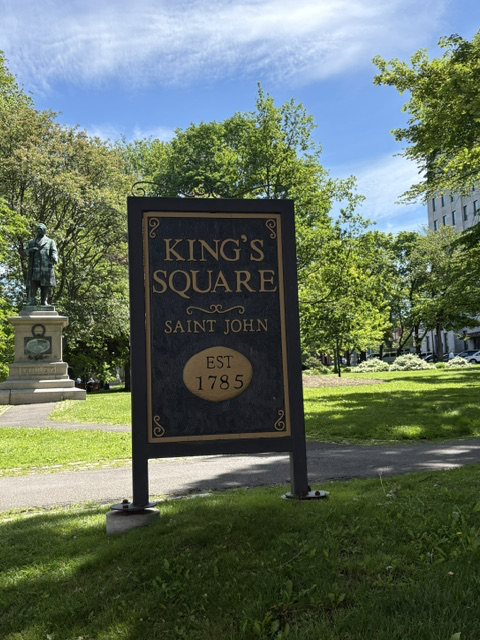
Recent Posts
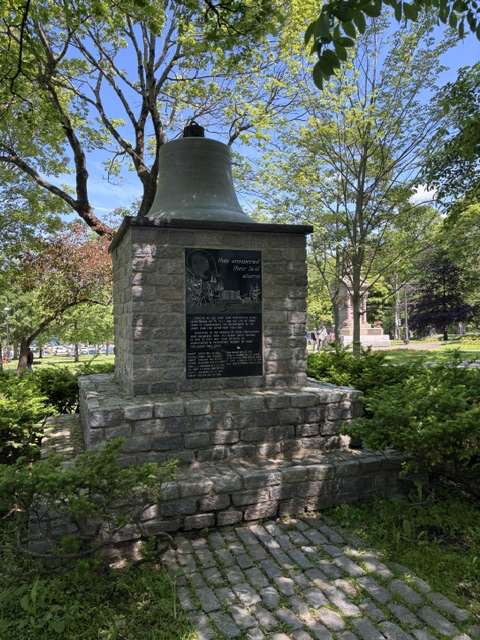
Last Alarm Bell Monument
A large bronze bell stands silently in King’s Square as a memorial to Saint John firefighters who died while serving their community. Known as the Last Alarm Bell Monument, it was erected in 1986 to commemorate the two-hundredth anniversary of the Saint John Fire Department. The department was established in 1786, only one year after […]
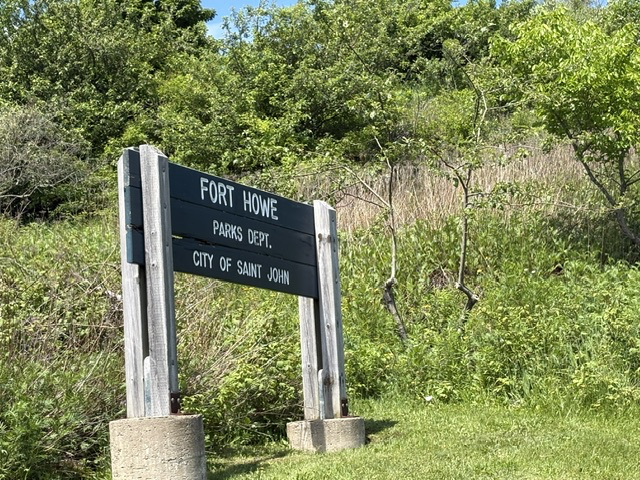
Fort Howe
From its position high above Saint John, Fort Howe once guarded the entrance to the Saint John River and the harbor below. The location offered British soldiers an expansive view of approaching ships and made the ridge a natural place from which to defend the settlement. The fort was constructed in 1777 during the American […]
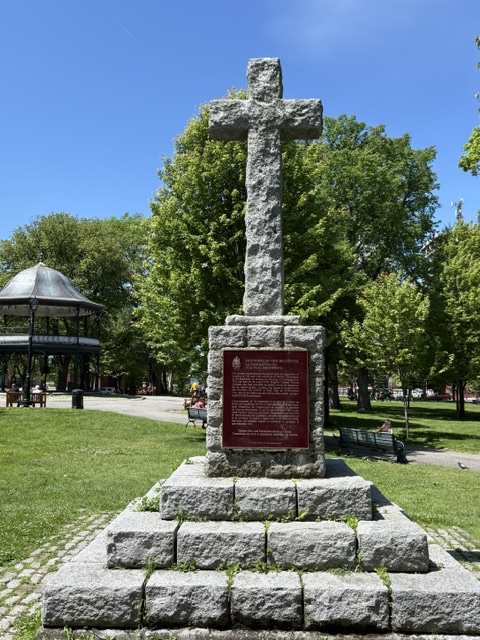
Founding of New Brunswick Monument
A tall granite cross in Saint John’s King’s Square marks the political events that created the Province of New Brunswick. Its story begins with the conclusion of the American Revolution, when thousands of people who had remained loyal to the British Crown left the newly independent United States and traveled north. In 1783, approximately 14,000 […]
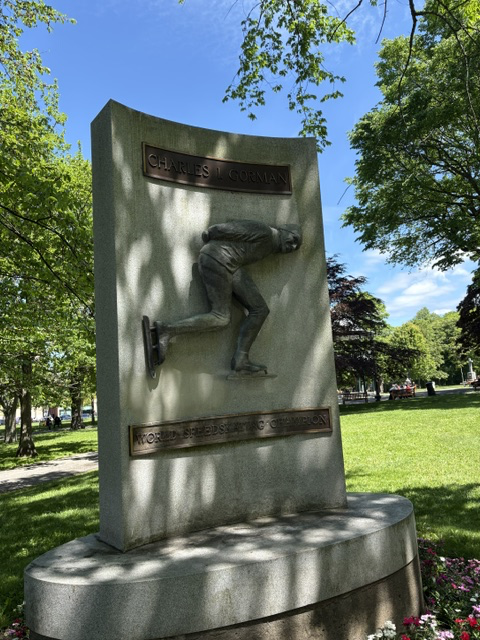
Charles Gorman Memorial
The figure on this monument is not shown standing triumphantly on a podium. Instead, Charles Gorman is captured at the beginning of a race with his body bent forward, one skate braced behind him, and every muscle prepared for the explosive first stride that made him one of the fastest skaters of his generation. Born […]

