Prince Edward Island
Prince Edward Island, known to the Mi’kmaq as Epekwitk, is Canada’s smallest province. Its history has been shaped by the Mi’kmaq people, French and British settlement, Acadian culture, immigration from Scotland and Ireland, agriculture, fishing, and shipbuilding. The Charlottetown Conference of 1864 helped begin the discussions that led to Canadian Confederation, although the island did not join Canada until 1873.
Prince Edward Island is also closely associated with Lucy Maud Montgomery and her beloved novel Anne of Green Gables. The island’s farms, wooded paths, villages, and coastline inspired Montgomery’s fictional community of Avonlea and continue to attract readers from around the world. Our travels allowed us to experience both the island’s history and the landscapes that gave life to Anne’s story. My Hometown Stories explore these literary connections alongside the communities and traditions that give Prince Edward Island its distinctive character.
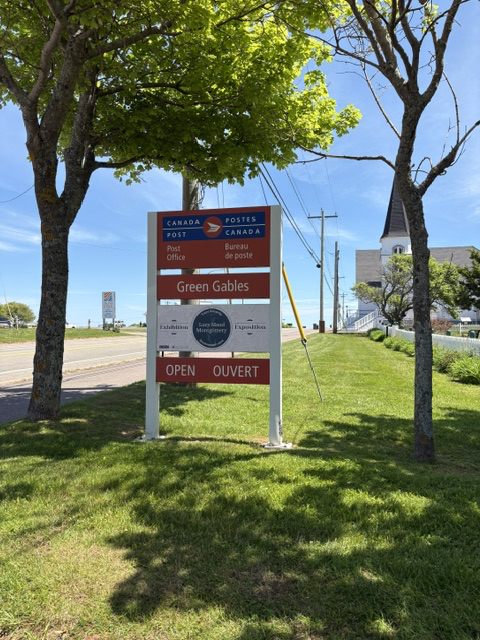
Hometowns
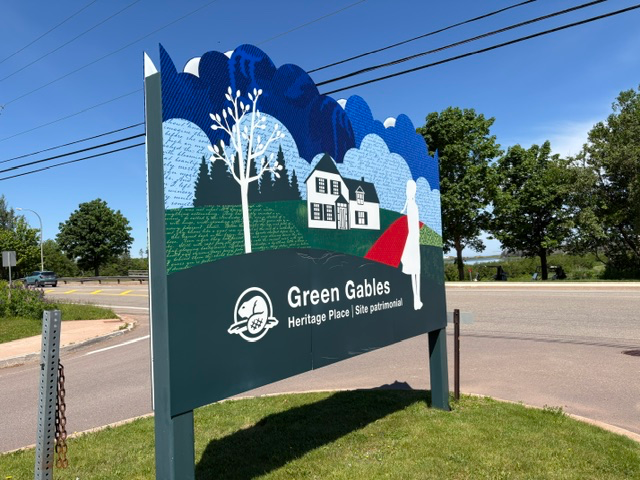
Cavendish, PEI
Located along the Gulf of St. Lawrence on the northern shore of Prince Edward Island, Cavendish is a small rural community surrounded by rolling farmland, red sandstone cliffs, sand dunes and broad beaches. Established by Scottish immigrants in 1790, it developed primarily as a farming community, shaped by the fertile land and the rhythms of island life. Cavendish became known throughout the world through the writing of Lucy Maud Montgomery. Raised by her maternal grandparents in the community, Montgomery drew upon its farms, wooded paths and neighboring Green Gables farmhouse when she created the fictional village of Avonlea. Published in 1908, Anne of Green Gables transformed the landscape of her childhood into one of the most beloved settings in Canadian literature. Today, Cavendish is both a popular summer destination and an important literary landscape. Green Gables Heritage Place, the site of Montgomery’s childhood home and the trails that inspired Lover’s Lane and the Haunted Wood are preserved as part of L.M. Montgomery’s Cavendish National Historic Site. Nearby, Prince Edward Island National Park protects the beaches, dunes and coastal scenery that helped shape her imagination. Cavendish is a remarkable example of how one small farming community, interpreted through the vision of a gifted writer, came to occupy a lasting place in the imaginations of readers around the world.
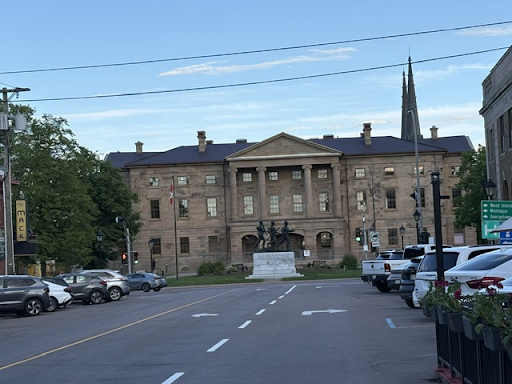
Charlottetown, PEI
Charlottetown, the capital of Prince Edward Island, was established as the colonial capital in 1764 and named for Queen Charlotte, wife of King George III. Small and easily explored on foot, its historic center is filled with churches, government buildings, old homes and streets leading toward the waterfront. Charlottetown holds a particularly important place in Canadian history. In September 1864, delegates from the Maritime colonies gathered here to discuss a possible union. Representatives from the Province of Canada joined them and proposed something much larger—a federation of the British North American colonies. The discussions that began in Charlottetown continued in Quebec and ultimately led to the creation of Canada in 1867. That history earned Charlottetown its title as the “Birthplace of Confederation.” Ironically, Prince Edward Island declined to join the new nation in 1867, waiting until 1873 to become Canada's seventh province.
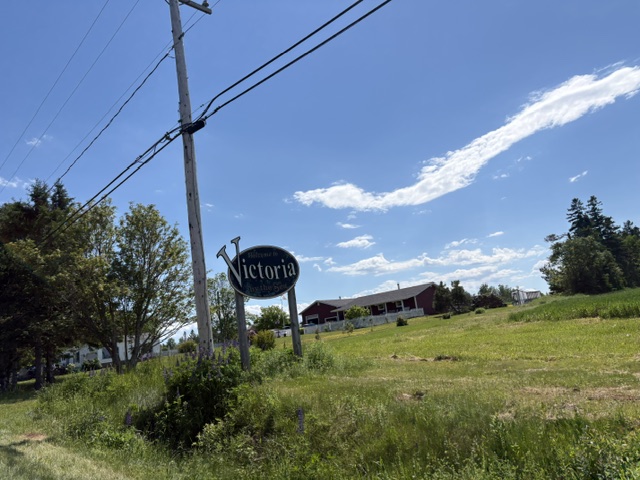
Victoria-by-the-Sea, PEI
Located on the south shore of Prince Edward Island, between Charlottetown and Summerside, Victoria-by-the-Sea is a small coastal village with a history rooted in maritime trade. Founded in 1819 by lawyer and land agent James Bardin Palmer, the village was laid out on his estate by his son Donald. Its simple grid of streets remains a visible connection to that early plan. By the late nineteenth century, Victoria had developed into a prosperous seaport with three wharves and numerous businesses. Its sheltered harbour connected surrounding farms with markets in Europe, the West Indies, and other East Coast ports. Schooners carried potatoes, grain, cattle, and eggs from the village, making the waterfront an important link between the Island’s agricultural economy and the wider world. The harbour also brought visitors. During the steamboat era, vessels such as the SS Harland stopped at Victoria, carrying passengers from Charlottetown and farther afield for short stays by the sea. Welcoming travelers therefore became part of village life long before modern tourism developed. Victoria’s appeal extends beyond its waterfront. Historic wooden houses, gardens, and compact streets give the village a distinctive residential character. Theatre has also become part of its identity, with the Victoria Playhouse occupying the community hall and adding a cultural gathering place to the coastal setting. During our visit, boats beside the wharf and colourful sheds with lobster traps showed the village’s continuing connection to the sea. Nearby houses and planted gardens added another view of the community, where domestic life and the waterfront sit close together. These details help tell Victoria’s story: a village established around a harbour, connected to distant places through trade, and still defined by its intimate relationship with the shore.

