United States of America
States
Massachusetts
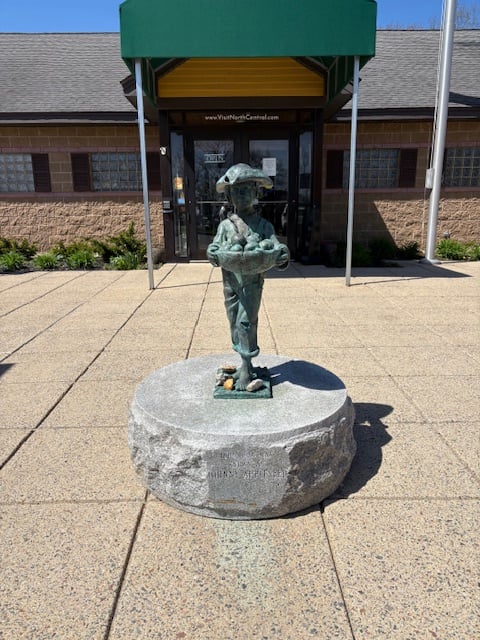
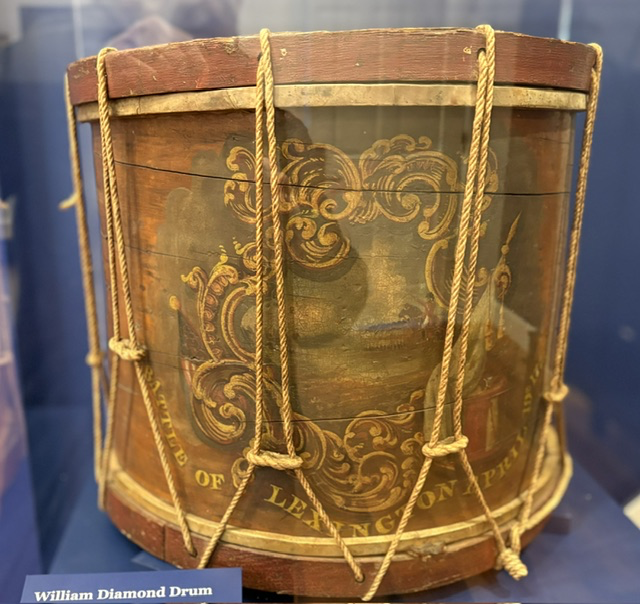
Massachusetts was one of the original thirteen colonies and became the sixth state to ratify the United States Constitution on February 6, 1788. Known as the Bay State, it has Boston as both its capital and largest city. Its geography extends from the Atlantic coastline, Cape Cod, and the islands of Martha’s Vineyard and Nantucket to the river valleys and rolling hills of central Massachusetts and the Berkshire Mountains in the west. The founding of Plymouth Colony in 1620 and the Massachusetts Bay Colony in 1630 established the region as an important center of colonial life. More than a century later, events in Boston, Lexington, and Concord helped ignite the American Revolution. During the nineteenth century, the state became a leader in manufacturing, education, literature, and social reform, giving Massachusetts an enduring influence on the political and cultural development of the nation.
Michigan
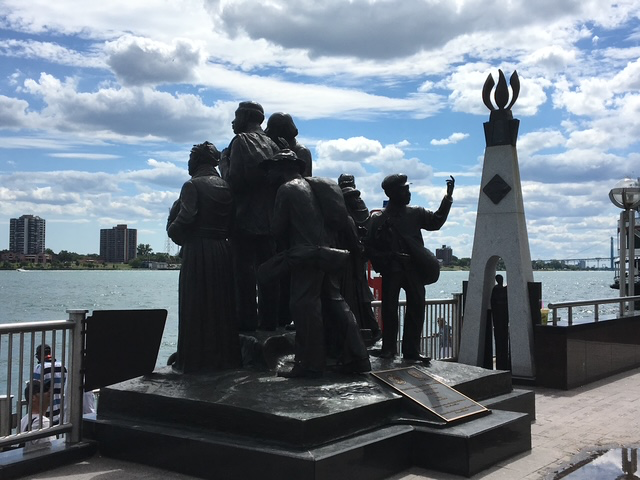
Michigan entered the Union on January 26, 1837, becoming the nation’s twenty-sixth state. Known as the Great Lakes State and the Wolverine State, it has Lansing as its capital and Detroit as its largest city. Michigan consists of two peninsulas and borders four of the five Great Lakes, giving it the longest freshwater coastline of any state. Its landscape includes forests, inland lakes, farmland, sand dunes, and rocky northern shores. Waterways and natural resources shaped Michigan’s early growth through fur trading, shipping, logging, and mining. During the twentieth century, Detroit became the center of the American automobile industry, where assembly-line production transformed manufacturing and made automobiles available to millions of people. The industry drew workers from across the country and around the world, profoundly influencing Michigan’s cities, economy, and culture.
Nebraska
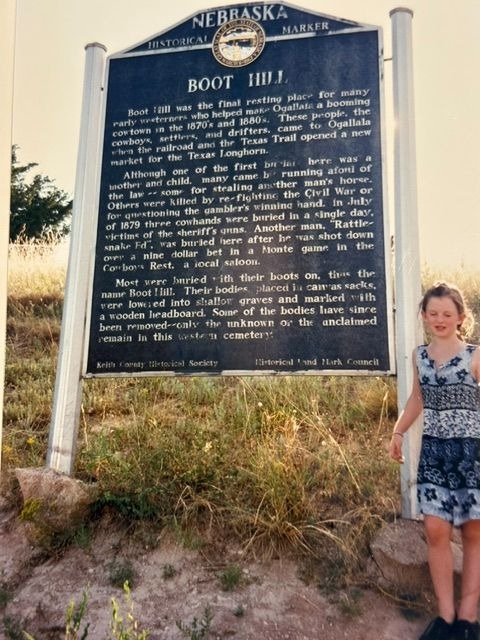
Nebraska entered the Union on March 1, 1867, becoming the nation’s thirty-seventh state. Known as the Cornhusker State, it has Lincoln as its capital and Omaha as its largest city. Located in the Great Plains, Nebraska stretches from the Missouri River along its eastern border to the high plains and rocky formations of its western Panhandle. Its landscape includes productive farmland, broad river valleys, the grass-covered Sandhills, and landmarks such as Chimney Rock and Scotts Bluff. Overland trails, railroads, and agriculture shaped Nebraska’s growth. During the nineteenth century, the Platte River valley became a major corridor for travelers following the Oregon, California, and Mormon trails. The Homestead Act of 1862 encouraged settlement and farming, while construction of the transcontinental railroad connected communities with distant markets. Cattle ranching, corn production, meatpacking, and commerce helped build the state’s economy. Nebraska’s historic trails, pioneer homes, railroad sites, and agricultural communities preserve stories of migration, enterprise, and life on the Great Plains.
New Hampshire
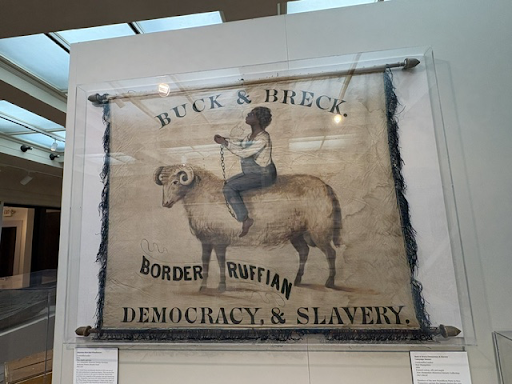
New Hampshire was one of the original thirteen colonies and became the ninth state to ratify the United States Constitution on June 21, 1788. Known as the Granite State, it has Concord as its capital and Manchester as its largest city. Its landscape extends from a short Atlantic coastline through the Lakes Region to the White Mountains, where Mount Washington rises as the highest peak in the northeastern United States. In January 1776, New Hampshire became the first colony to establish an independent government and constitution, several months before the Declaration of Independence. Its ratification of the United States Constitution provided the ninth approval required for the new national government to take effect. During the nineteenth century, rivers powered textile mills, paper mills, and other industries that transformed communities such as Manchester into important manufacturing centers.

New Jersey
New Jersey was one of the original thirteen colonies and became the third state to ratify the United States Constitution on December 18, 1787. Known as the Garden State, it has Trenton as its capital and Newark as its largest city. Its varied landscape includes the Atlantic shoreline, the Pine Barrens, fertile farmland, the Delaware River Valley, and the forested hills of the northwestern region. New Jersey’s location between New York and Philadelphia made it a strategic crossroads during the American Revolution. The battles of Trenton, Princeton, and Monmouth were fought there, while George Washington and the Continental Army established winter encampments at Morristown. During the nineteenth century, canals, railroads, factories, and cities transformed New Jersey into an important center of transportation, manufacturing, and innovation.
New York
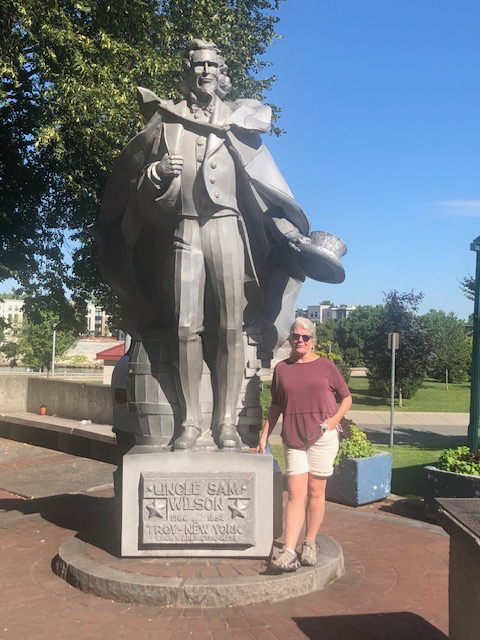
New York was one of the original thirteen colonies and became the eleventh state to ratify the United States Constitution on July 26, 1788. Known as the Empire State, it has Albany as its capital and New York City as its largest city. Its geography extends from the Atlantic coastline and the Hudson River Valley to the Catskill and Adirondack mountains, the Finger Lakes, and the shores of Lakes Erie and Ontario. Originally part of the Dutch colony of New Netherland, the region came under English control in 1664. New York became a major battleground during the American Revolution, including the American victory at Saratoga that helped secure French support for independence. The opening of the Erie Canal in 1825 connected the Great Lakes with the Hudson River, transforming trade, encouraging westward growth, and helping New York City become the nation’s leading commercial center.
Pennsylvania
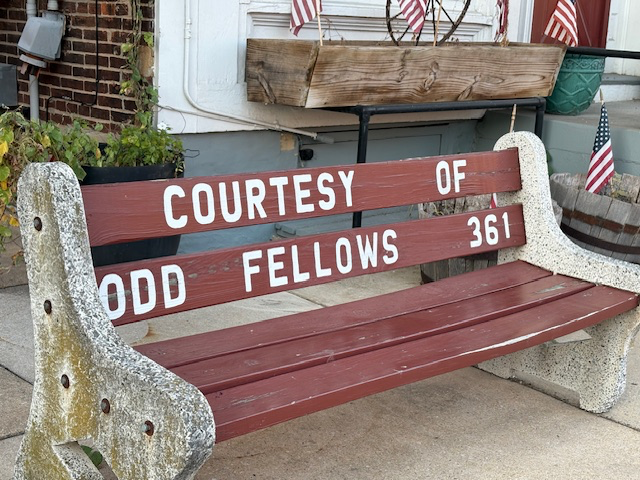
Pennsylvania was one of the original thirteen colonies and became the second state to ratify the United States Constitution on December 12, 1787. Known as the Keystone State, it has Harrisburg as its capital and Philadelphia as its largest city. Its geography includes the Delaware River Valley, the Appalachian and Allegheny mountains, extensive farmland, and a short shoreline along Lake Erie. Founded by William Penn in 1681, Pennsylvania became known for religious tolerance and representative government. Philadelphia served as the meeting place of the Continental Congress, where the Declaration of Independence was adopted in 1776 and the United States Constitution was written in 1787. During the nineteenth and twentieth centuries, coal, iron, steel, railroads, and manufacturing made Pennsylvania one of the nation’s most important industrial states.
South Dakota
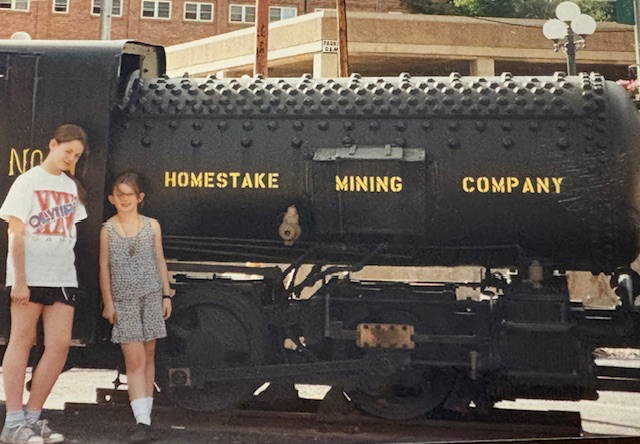
South Dakota entered the Union on November 2, 1889, at the same time as North Dakota, and is generally recognized as the nation’s fortieth state. Known as the Mount Rushmore State, it has Pierre as its capital and Sioux Falls as its largest city. The Missouri River divides the state between rolling farmland and prairies in the east and the Great Plains, Badlands, and forested Black Hills in the west. Originally part of the much larger Dakota Territory, South Dakota experienced rapid growth during the late nineteenth century as railroads, homesteading, cattle ranching, and the discovery of gold drew new settlers to the region. Agriculture became the foundation of its economy, while mining shaped communities in the Black Hills. The construction of Mount Rushmore between 1927 and 1941 created the state’s most widely recognized landmark.
Tennessee
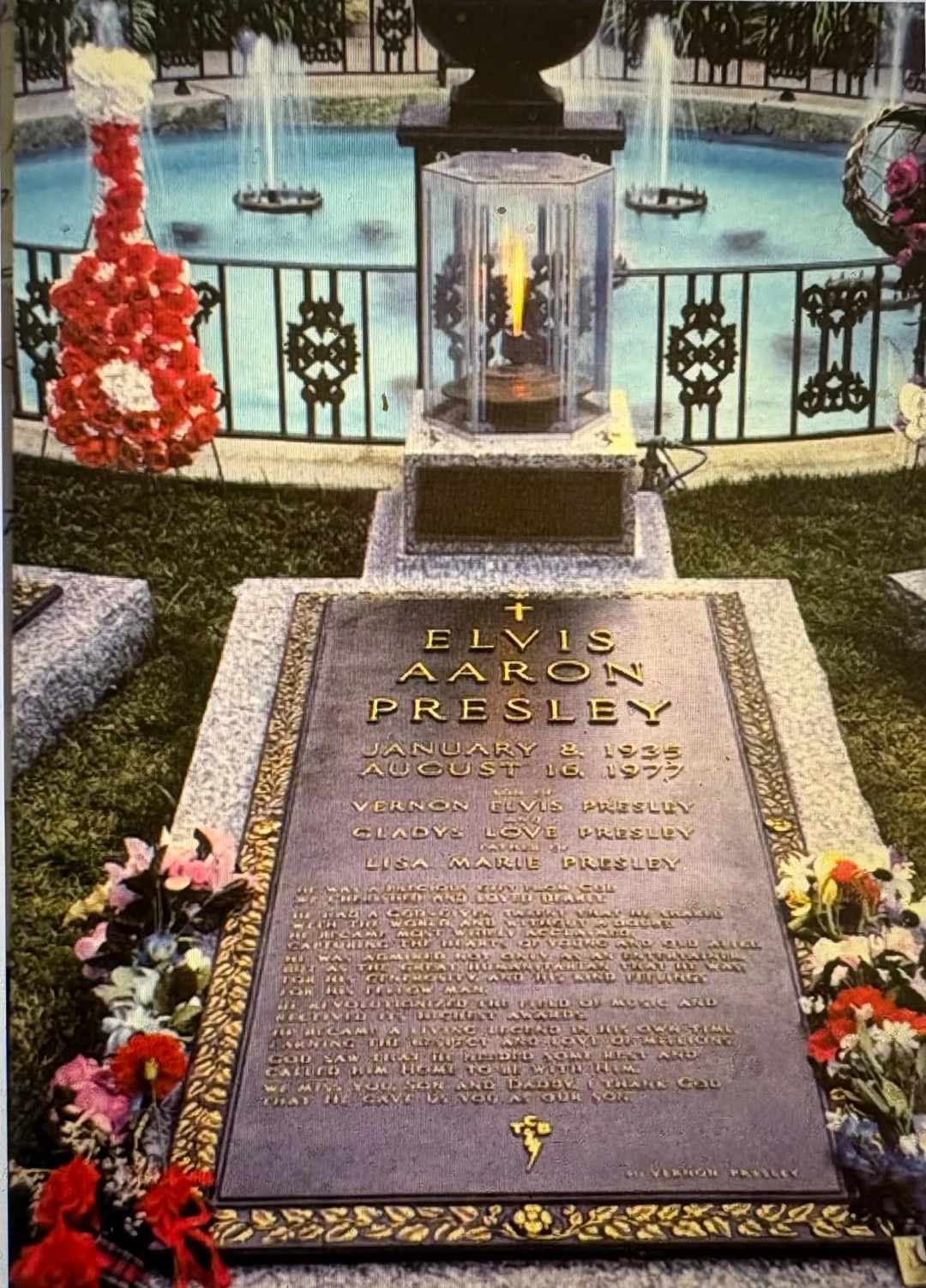
Tennessee became the sixteenth state to join the United States on June 1, 1796. Known as the Volunteer State, it has Nashville as both its capital and largest city. Its geography stretches from the Mississippi River and fertile western plains to the Cumberland Plateau, Tennessee River Valley and Great Smoky Mountains in the east. Tennessee played an important role in westward expansion and became a major battleground during the Civil War. During the twentieth century, the Tennessee Valley Authority transformed much of the state through flood control, electrification and economic development, while Oak Ridge became an important center of atomic research. Tennessee is also closely associated with American music through Nashville’s country music industry, Memphis blues and soul, and the development of rock and roll.
Texas
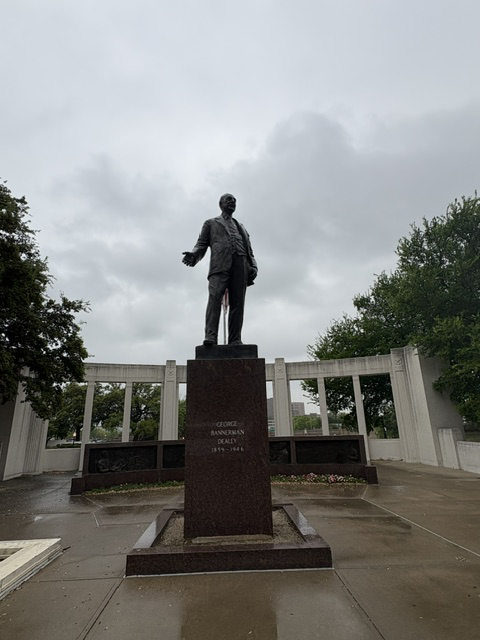
Texas entered the Union on December 29, 1845, becoming the nation’s twenty-eighth state. Known as the Lone Star State, it has Austin as its capital and Houston as its largest city. The second-largest state by both area and population, Texas encompasses the Gulf Coast, eastern forests, central hill country, broad plains, and the deserts and mountains of the west. The region was governed first by Spain and later by Mexico before the Texas Revolution began in 1835. Following decisive events at the Alamo and San Jacinto, Texas became an independent republic in 1836 and remained so until joining the United States nine years later. Cattle ranching, railroads, oil production, agriculture, and international trade subsequently shaped Texas into one of the nation’s largest and most influential economies.

Vermont
Vermont entered the Union on March 4, 1791, becoming the nation’s fourteenth state and the first admitted after the original thirteen colonies. Known as the Green Mountain State, it has Montpelier as its capital and Burlington as its largest city. Its landscape is defined by the Green Mountains, Lake Champlain, the Connecticut River, fertile valleys, and forests that cover much of the state. Before achieving statehood, Vermont existed as an independent republic from 1777 until 1791, following years of disagreement between New York and New Hampshire over control of the territory. Its early history was shaped by the Green Mountain Boys and Vermont’s role in the American Revolution. Farming, dairy production, logging, maple sugaring, textile mills, and the quarrying of marble, granite, and slate later influenced its economy and communities. Vermont’s small towns, covered bridges, historic village centers, and working landscapes continue to preserve the distinctive character of rural New England.

Virginia
Virginia was one of the original thirteen colonies and became the tenth state to ratify the United States Constitution on June 25, 1788. Known as the Old Dominion, it has Richmond as its capital and Virginia Beach as its largest city. Its landscape extends from the Atlantic coast and Chesapeake Bay through the Piedmont to the Blue Ridge Mountains, Shenandoah Valley, and Appalachian highlands. Jamestown, established in 1607, became the first permanent English settlement in North America, while the House of Burgesses, organized in 1619, introduced representative government to the colony. Virginia later produced several leaders of the American Revolution, and the British surrender at Yorktown in 1781 effectively ended the fighting. During the Civil War, Richmond served as the capital of the Confederacy, and many of the conflict’s most consequential battles were fought across the state.

