Transportation Request for my Father
June 1944Dearest Reader,
Among the military papers preserved by my family is a wartime transportation request issued to my father, Roger E. Watson, in June 1944. At first glance, it appears to be a little more than a train ticket, but documents such as this played an essential role in the movement of millions of servicemen across the United States during World War II.
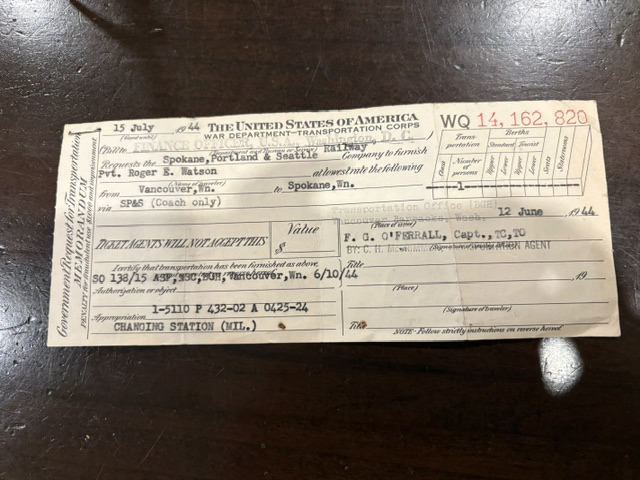
Issued by the United States Army Transportation Corps, the document authorized travel from Vancouver, Washington, through Seattle and Spokane to a destination in northeastern Washington State. Rather than purchasing tickets themselves, military personnel traveled using government transportation requests that served as official authorization for rail travel. The Army then settled the cost directly with the railroad companies that carried troops throughout the country.
During World War II, the nation’s railroads became a vital part of the war effort. Tens of thousands of trains moved soldiers between induction centers, training camps, military bases, hospitals, ports of embarkation and duty stations. The Transportation Corps coordinated these movements on a massive scale, ensuring that personnel and equipment arrived where they were needed. For many servicemen, wartime service involved countless journeys by rail as assignments changed and military needs evolved.
These documents capture a routine but an essential aspect of military life. Transportation papers reveal the practical realities of wartime services. They remind us that behind every deployment, transfer or assignment was an enormous logistical system that depended upon railroads, schedules and careful coordination.
More than eighty years later, this simple piece of paper serves as a tangible artifact from World War II. It offers a glimpse into the everyday operations of a nation at war and preserves a small but meaningful chapter in the story of one serviceman’s military journey.
Dr. Nancy Watson
Washington
Read More From Nancy
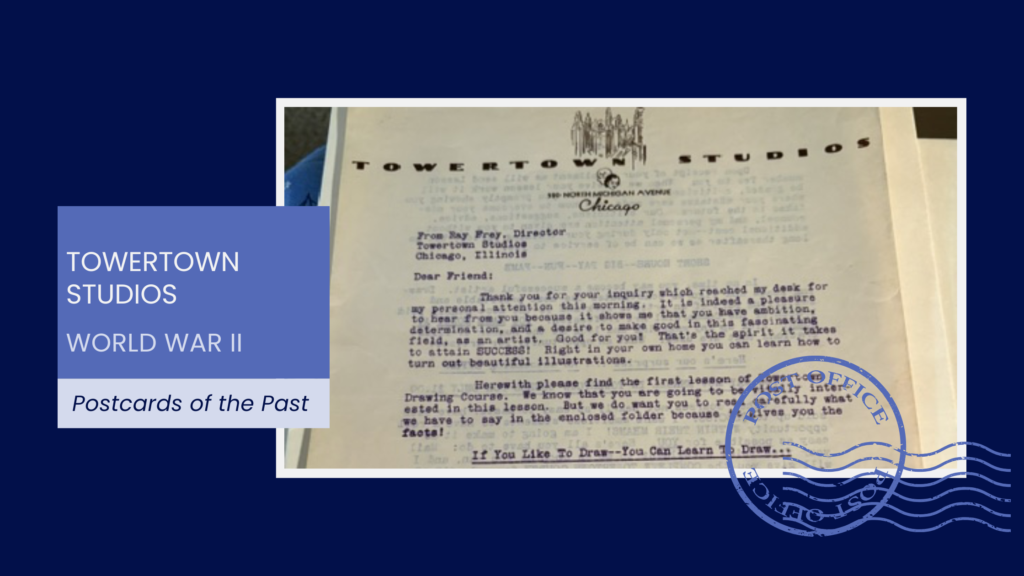
Towertown Studios
Among my father’s papers is this letter from Towertown Studios in Chicago promoting a correspondence course in drawing. By itself, it might seem like nothing more than an old piece of advertising mail. But knowing when my father received it gives it a much more personal meaning. This was part of the mail arriving while […]
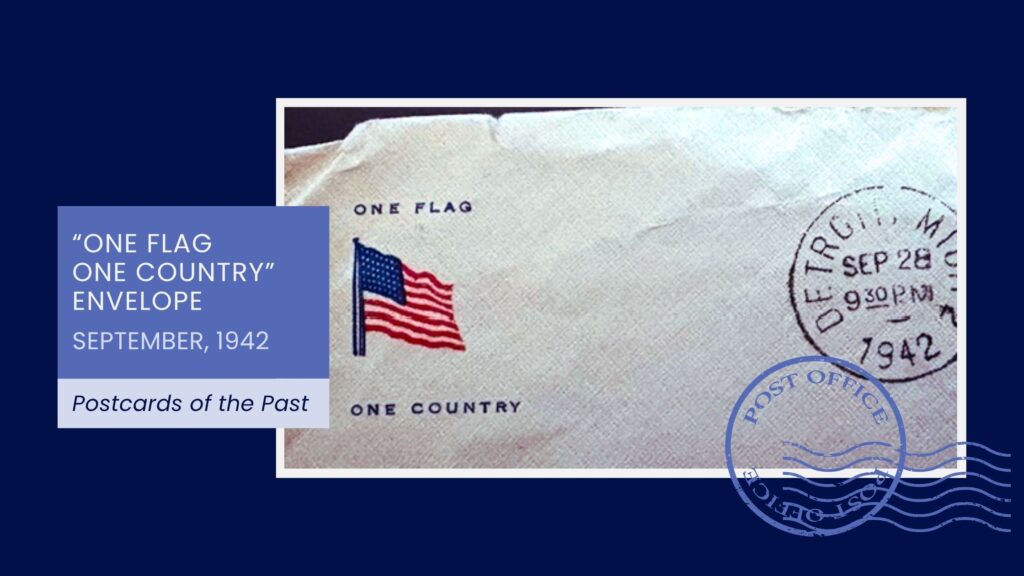
“One Flag One Country” 1942 Envelope
As I continue to explore the letters that were written to my father while he was stationed in the Army during World War II, it is often the small details that catch my attention. One envelope stood out. The letter had been mailed from Michigan, and the postmark reads: September 18, 1942. But what caught my eye […]

Father of 10 Will Go into Service
Among my mother’s papers that have survived all these years, it the newspaper clipping about Chester J. Barrett and his family of ten children. The Barrett family lived directly across the street from my mother in Concord, New Hampshire. I remember her speaking about the Barrett twins. In fact, the Barrett twins can be seen in photographs […]

