Hot Springs National Park
Visiting Hot Springs National Park in Hot Springs was one of the more unique experiences in my exploration of the National Parks. Unlike parks centered around natural landscaped or historical homes, Hot Springs blends natural springs, history, architecture and American culture together.
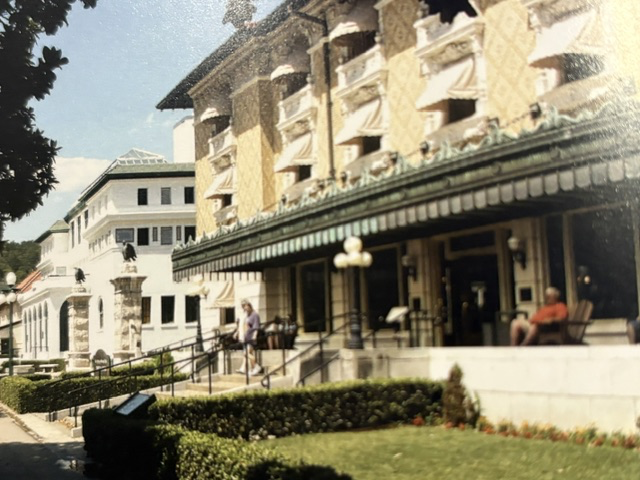
What made this visit memorable was having the opportunity to experience one of the historic bathhouse treatments much like visitors would have during the city’s peak years. For generations, people traveled to Hot Spring believing the mineral-rich thermal waters could provide healing and relief from physical ailments. This city became one of America’s most famous health destinations.
This photograph shows the historic Bathhouse Row, where these elegant bath houses once welcomed travelers arriving by train from across the country. During the late 1800s and early 1900s, Hot Springs became a fashionable destination visited by wealthy travelers, athletes and ordinary people all seeking the therapeutic reputation of the natural hot springs.
It was in one of these historic bath houses that we had our treatment. It felt like stepping back into another era of American travel. The ornate architecture, grand entrances, and tiled interiors all create a sense of the city’s historic importance.
The thermal waters themselves emerge naturally from the earth at temperatures averaging around 143 degrees Fahrenheit. Native people knew of and used the springs long before European settlement, and over time the area became federally protected. Hot Springs was set aside by the federal government in 1832 under President Andrew Johnson, forty years before Yellowstone National Park became the first official national park in 1872. This makes Hot Springs one of the oldest federally protected areas in the United States.
It officially became Hot Springs National Park in 1921 under President Woodrow Wilson.
One of the things I have appreciated about exploring our National Parks is how varied they are. Some parks preserve dramatic natural landscapes, while others preserve important stories about culture, history and the ways people interact with the land itself. Hot Springs does both.
Read More From Nancy
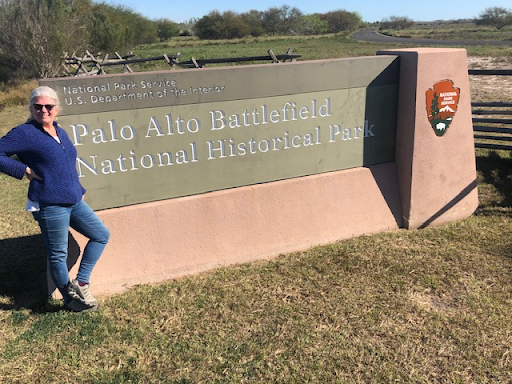
Palo Alto Battlefield National Historic Park
Visiting many of our nation’s historic sites has often happened while I’ve been in an area teaching, and that was true for our visit to Palo Alto Battlefield National Historical Park. The land here feels quiet and open, but the calm setting marks the beginning of a war that would reshape the United States. The Battle of […]
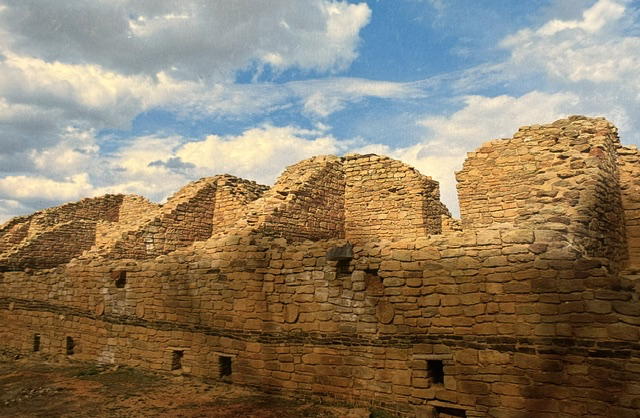
Aztec National Monument
The massive stone walls of Aztec Ruins National Monument preserve the remains of an ancestral Puebloan community in northwestern New Mexico. Rising from the desert landscape near the Aztec area, the ruins create a sense of age and accomplishment. The carefully constructed stone masonry and multi-room structures reveal the sophistication of the people who built and lived […]
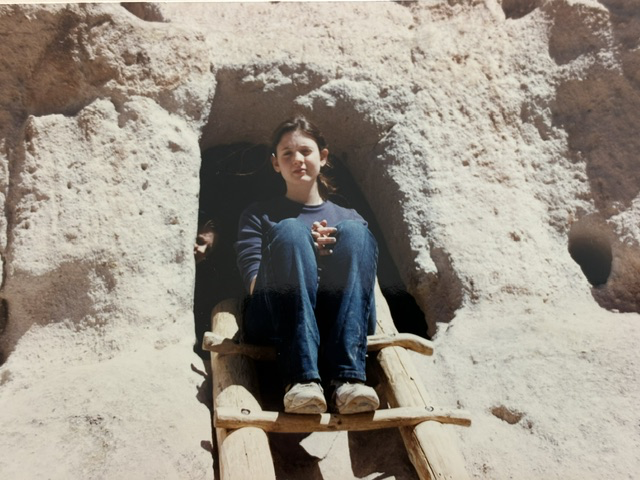
Bandelier National Monument
Here at Bandelier National Monument, we walked through canyons, climbed ladders into ancient cliff dwellings and stood inside spaces once occupied by the ancestral Pueblo people. Here history felt immediate and alive. The soft volcanic rock of Bandelier allowed homes, called cavate, to be carved directly into the canyon walls. Climbing those wooden ladders as a family became part […]

