Berkshire Museum
While spending time in the Berkshires, I visited the Berkshire Museum in downtown Pittsfield. A special exhibition devoted to guitars added an enjoyable musical element to the visit, but it was the museum’s varied permanent collection that made the strongest impression on me.
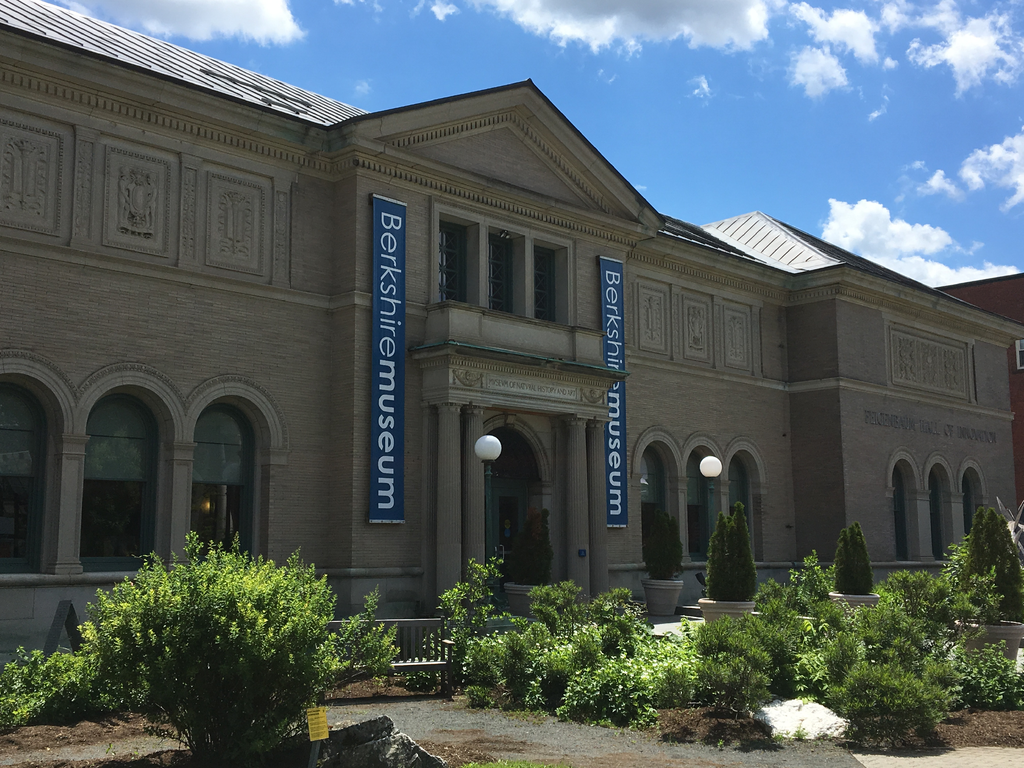
The Berkshire Museum was founded in 1903 by local businessman and philanthropist Zenas Crane. Inspired by institutions such as the Smithsonian and the Metropolitan Museum of Art, Crane wanted to create a “window on the world” for the people of western Massachusetts. Instead of concentrating on a single subject, his museum brought art, history, science, and natural history together beneath one roof.
That broad mission is reflected in a permanent collection containing more than 40,000 objects. Paintings and sculpture are displayed alongside fossils, minerals, ancient artifacts, historical objects, and specimens representing the natural environment of the Berkshires. The variety allows visitors to move easily between art, science, history, and culture during a single visit.
Among the museum’s notable objects are Nathaniel Hawthorne’s writing desk and equipment associated with Arctic explorer Matthew Henson, including a fur suit and sledge used during the North Pole expeditions. The museum also commissioned two site-specific mobiles from Alexander Calder during the 1930s, demonstrating its early interest in emerging forms of modern art.
The Berkshire Museum may be modest in size compared with the major museums of Boston or New York, but its collection is surprisingly broad. My visit reminded me that a local museum does not need to be enormous or internationally famous to offer meaningful encounters with art, history, science, and the wider world.
Read More From Nancy
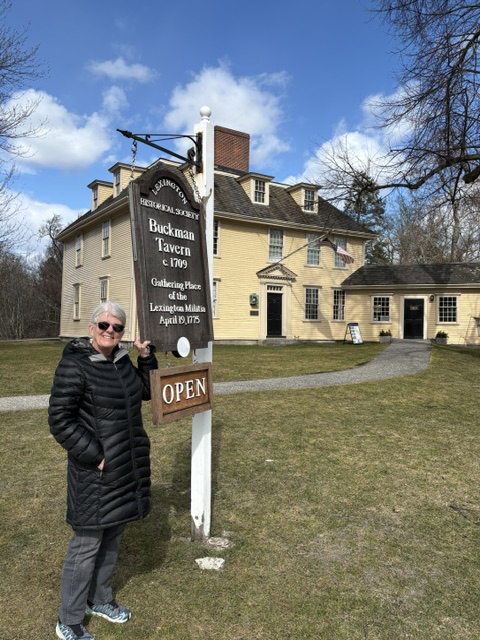
Buckman Tavern
There are some towns that have preserved their colonial roots remarkably well, and Lexington is certainly one of them. Marty and I took a ride over to the town this year simply to walk the familiar sites once again. Since Buckman Tavern was open, we took the opportunity to tour it and revisit one of the places […]
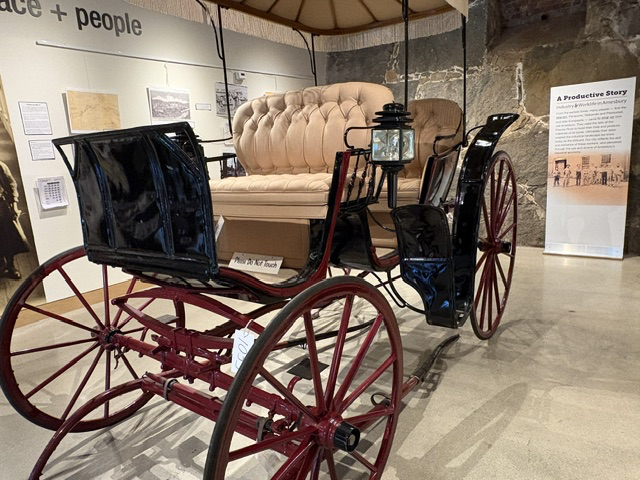
Amesbury Carriage Museum
Every town has a story that shaped its identity. For Amesbury, that story was built on wheels. Long before automobiles transformed the American landscape, Amesbury was recognized around the world as one of the finest centers of carriage manufacturing. During the nineteenth century, the city’s factories produced elegant coaches, family wagons, commercial vehicles, and luxury […]
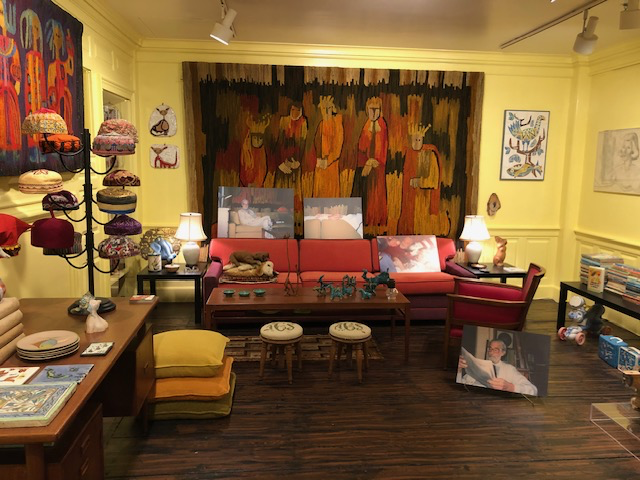
The Man Behind Dr. Seuss
Upstairs in The Amazing World of Dr. Seuss Museum, the colorful characters and interactive exhibits give way to something more personal. Here, rooms from Theodor Geisel’s California home and studio have been recreated using his actual furniture, artwork, books, drawing materials, and personal possessions. These are not the original rooms moved intact from California but […]

