The Man Behind Dr. Seuss
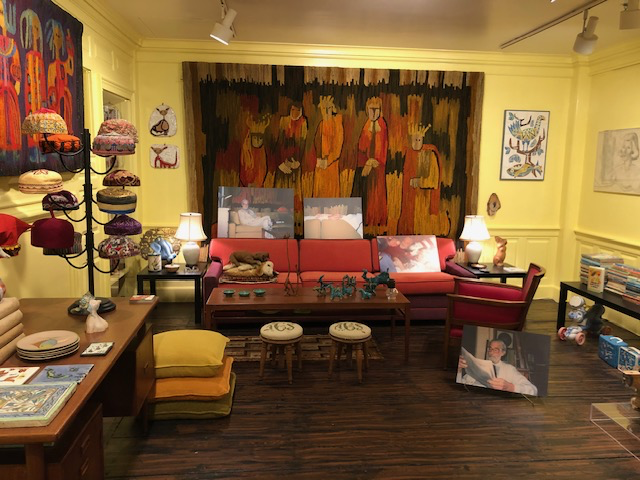
Upstairs in The Amazing World of Dr. Seuss Museum, the colorful characters and interactive exhibits give way to something more personal. Here, rooms from Theodor Geisel’s California home and studio have been recreated using his actual furniture, artwork, books, drawing materials, and personal possessions. These are not the original rooms moved intact from California but carefully arranged recreations that allow visitors to step into the private world of the man behind Dr. Seuss.
Theodor Seuss Geisel was born in Springfield in 1904. His father, Theodor Robert Geisel, worked in the family’s brewery before Prohibition forced it to close and later became superintendent of Springfield’s parks. His mother, Henrietta Seuss Geisel, encouraged her son’s imagination and often entertained him with rhymes remembered from her family’s bakery. Her maiden name, Seuss, eventually became part of the name by which her son was known throughout the world.
Geisel began using “Seuss” while attending Dartmouth College. After college, he studied briefly at Oxford, where he met Helen Palmer, who recognized his talent for drawing and encouraged him to pursue a career as an artist. They married in 1927. He worked first in advertising and magazine illustration and later produced political cartoons and military training films before becoming one of the most influential authors and illustrators of children’s books.
The recreated living room reveals a side of Geisel that cannot be found within the pages of his books. The red furniture, family photographs, artwork, lamps, books, sculptures, and collection of unusual hats create a room filled with color and personality. Geisel collected hundreds of hats and sometimes brought them out for guests to wear. The hats also helped him escape creative blocks, encouraging the kind of playfulness that became central to his work.
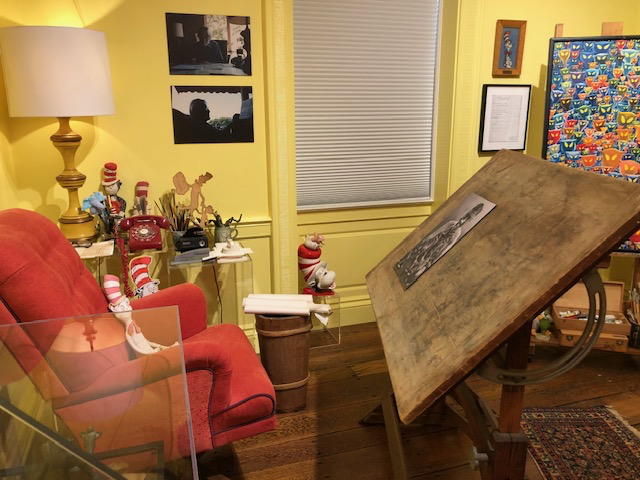
Nearby, his studio contains the large, angled drawing table where he developed his illustrations. His red chair sits beside the table, surrounded by pencils, brushes, toys, photographs, and objects that captured his attention. Although his pictures often appear spontaneous and delightfully unpredictable, his working process was disciplined and painstaking. He repeatedly revised his words and drawings, sometimes spending many months or even a year completing a single book.
The rooms also represent Geisel’s later life in La Jolla, California, where he lived and worked for many years. After Helen’s death in 1967, he married Audrey Stone Dimond in 1968. Audrey became an important guardian of his work and legacy following his death in 1991. The personal objects preserved in Springfield help connect the internationally recognized Dr. Seuss with Ted Geisel: the husband, family member, collector, artist, and careful observer who created his extraordinary characters in the privacy of these surroundings.
Walking through these recreated rooms moves the story beyond the books. The furniture is worn, the drawing board bears the marks of use, and ordinary objects sit beside strange and wonderful creations. Together, they reveal that the seemingly effortless world of Dr. Seuss grew from a lifetime of observation, experimentation, discipline, and an imagination that never completely left childhood behind.

Read More From Nancy
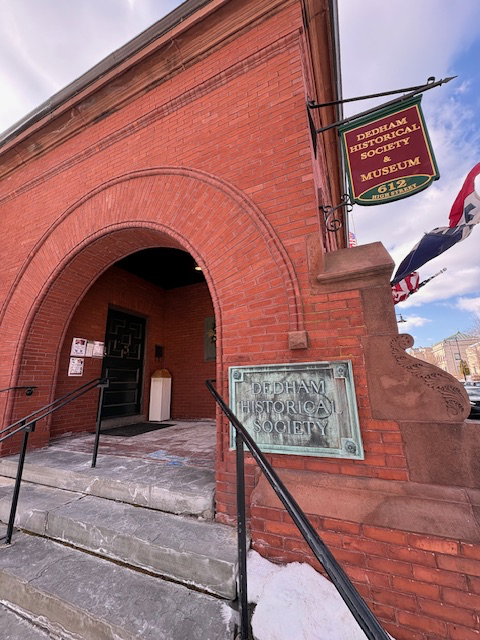
Dedham Historical Museum
I went to visit the town green in Dedham, Massachusetts for its colonial markers and instead found myself stepping into the Dedham Historical Society and Museum. Almost immediately, I felt I had encountered a kindred spirit in the woman who greeted me at the door. Here was a whole museum designed and dedicated to the […]
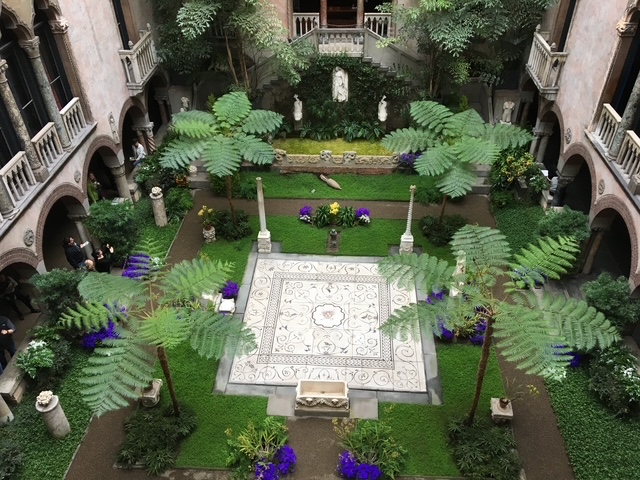
The Isabella Stewart Gardner Museum
Is this a home? Or is it one of the most extraordinary private collections in Boston? It is both. The Isabella Stewart Gardner Museum is unlike almost any other museum I have visited because it is difficult to separate the collection from the woman who created the setting for it. This was not simply a […]
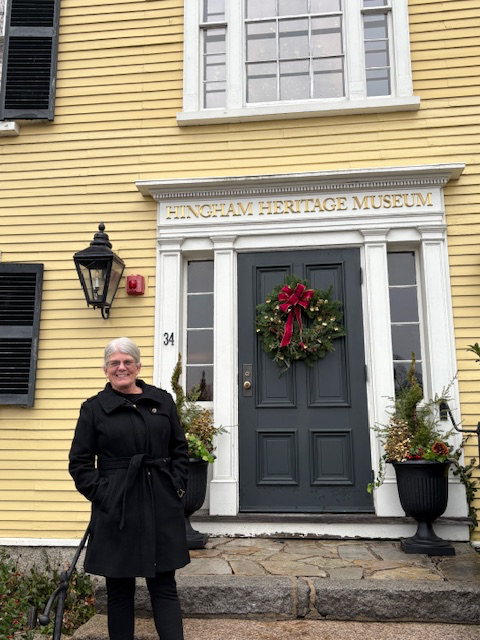
Hingham Historical Society
While visiting Hingham for the day, we stopped by the Hingham Historical Society to learn more about what this town is most proud of. Hingham is one of the oldest towns in Massachusetts, founded in 1635, and its museum captures much of the town’s story, from its colonial roots to its maritime heritage and civic […]

