Betty the Learned Elephant
A small bronze plaque attached to the bridge over the Chepachet River preserves one of the saddest and most unusual stories in the history of Chepachet. Its old-fashioned inscription states that “divers hands fired upon Betty,” meaning that several people were responsible for shooting an elephant that had come to the village as part of a traveling exhibition.
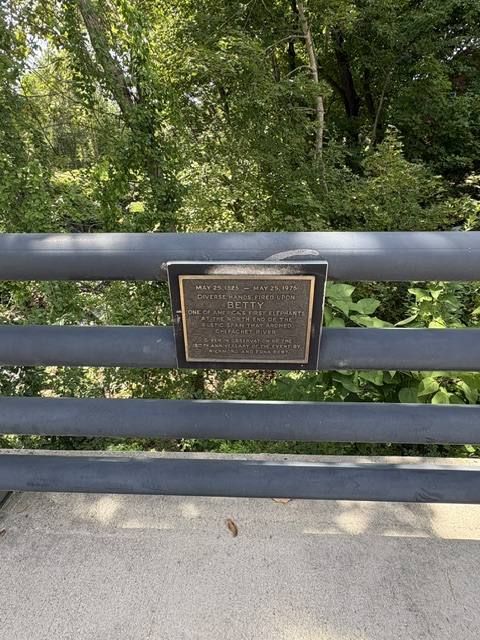
Betty, also remembered as Little Bett or Betty the Learned Elephant, was brought to the United States from India and exhibited throughout the eastern states. During the early nineteenth century, traveling menageries offered most Americans their only opportunity to see animals from distant parts of the world. Betty was advertised as a “learned” elephant because she had been trained to perform various actions for an audience. When she first appeared in Chepachet in 1822, residents paid admission to enter a tent and witness an animal unlike anything they had previously encountered.
Betty returned to Chepachet four years later. On May 25, 1826, she was shot while crossing the wooden bridge over the Chepachet River and died from her injuries. Several men were accused of participating in the attack, but the exact motive remains uncertain. Later accounts offered different explanations and added details that cannot always be confirmed. What is known is that the killing of a valuable and widely admired animal became one of the most disturbing events associated with the village.
For many years, the story remained an uncomfortable part of Chepachet’s past. That changed as the 150th anniversary of Betty’s death approached. Town historian Edna M. Kent persuaded the Rhode Island General Assembly to proclaim May 25, 1976, “Elephant Day”. Residents then placed this plaque on the bridge to mark the location where Betty was killed. The names Richmond and Edna Kent appear at the bottom, recognizing their role in preserving the story.
Read More From Nancy
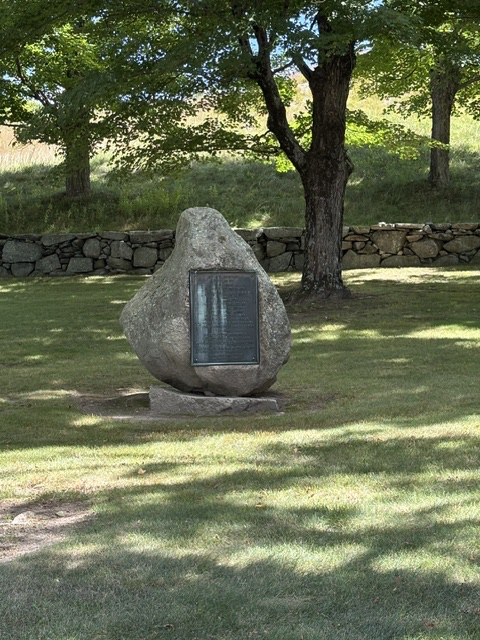
The Dorr Rebellion Memorial
This boulder monument stands in Acote’s Hill Cemetery, near the ground where the Dorr Rebellion reached its final confrontation in June 1842. Although it is located in a cemetery, it is not Thomas Wilson Dorr’s grave. Dorr died in 1854 and was buried at Swan Point Cemetery in Providence. This memorial marks the place where […]
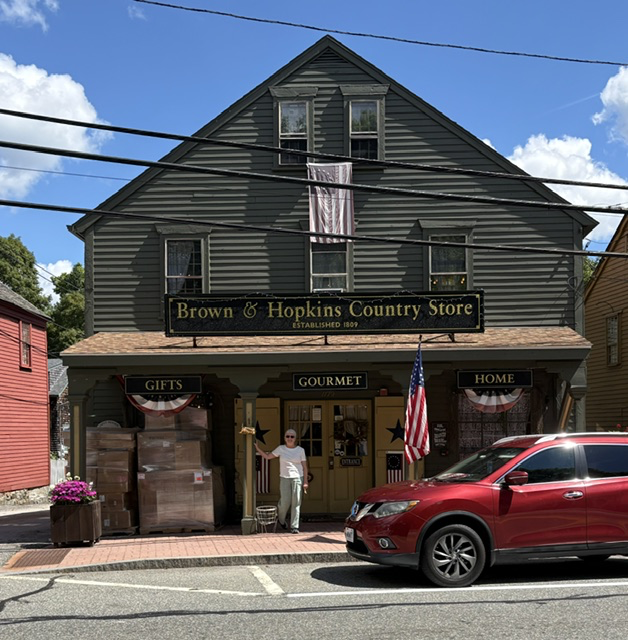
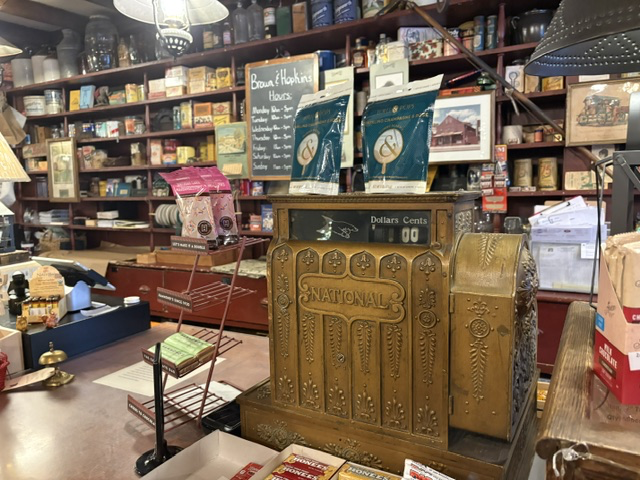
Brown & Hopkins Country Store
Standing along Putnam Pike in the center of Chepachet, Brown & Hopkins Country Store is recognized as the oldest continuously operating country store in the United States. The building was constructed in 1799 by Timothy Wilmarth as a residence and hattery, where hats were made and sold. In 1809, Ira Evans purchased the property and […]
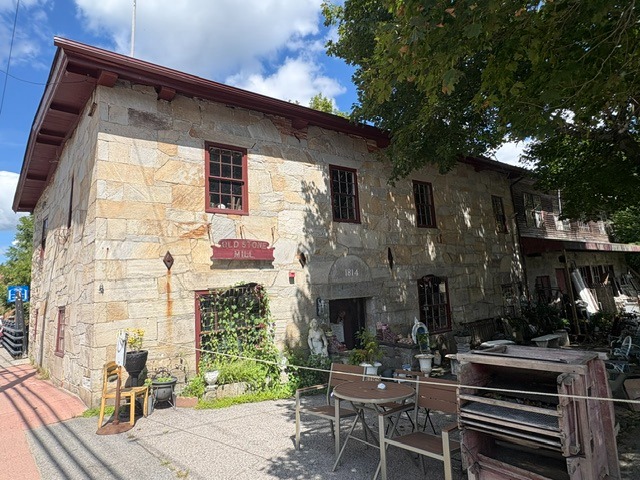
The Old Stone Mill
Beside the Chepachet River, the Old Stone Mill preserves a substantial remnant of the village’s early textile industry. Also known as the Lawton Owen Mill, the building bears the date 1814 above its entrance. Its stone walls stand close to both the river and Putnam Pike, placing it within the landscape of waterpower, transportation and […]

