The Penny Candy Counter at Brown & Hopkins
Inside Brown & Hopkins Country Store, the penny candy counter preserves one of the most familiar traditions of the old American general store. Glass jars, wooden shelves, vintage containers, advertisements, and small pieces of merchandise fill the space behind the counter. Rather than presenting history in a formal museum display, the store allows visitors to experience it in the same setting where generations of Chepachet residents once made their everyday purchases.
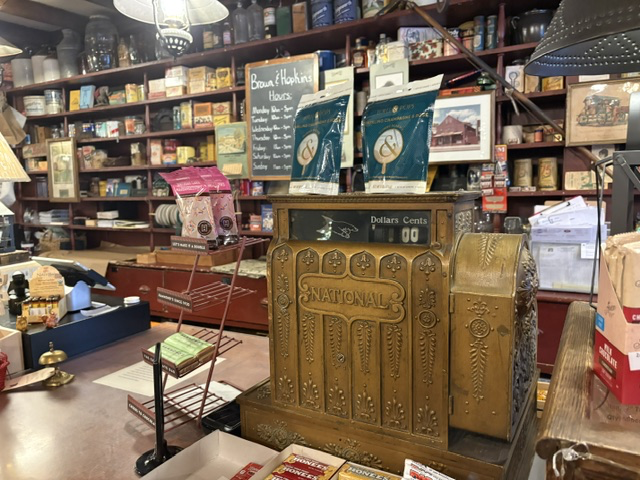
At the center of the counter is an ornate mechanical cash register made by the National Cash Register Company. Established in Dayton, Ohio, during the 1880s, the company became the nation’s leading manufacturer of cash registers. Its early machines were designed not only to record sales and protect a merchant’s money, but also to serve as impressive fixtures within a store. The elaborate metal casing, decorative patterns, numbered keys, and raised display showing dollars and cents reflect a period when even practical business equipment was created with considerable craftsmanship.
For generations of children, however, the most important attraction was the candy. A few coins offered the freedom to choose from a colorful assortment of individual treats. The purchase may have been small, but the experience of standing at the counter, considering the possibilities, and watching the amount appear on the old register often became a lasting childhood memory. Current owner Cynthia Barlow has recalled visiting Brown & Hopkins as a girl and buying penny candy here long before she imagined that she would one day own the store.
The candy may no longer cost a penny, but the tradition continues. Children can still approach the counter and make their selections while adults are reminded of similar visits from their own childhoods. Surrounded by worn shelves, old containers, and the beautifully decorated register, the penny candy area connects the store’s commercial history with the personal memories created inside it. It is a small corner of Brown & Hopkins, but it helps explain why this continuously operating country store has remained meaningful to the people of Chepachet for more than two centuries.
Read More From Nancy
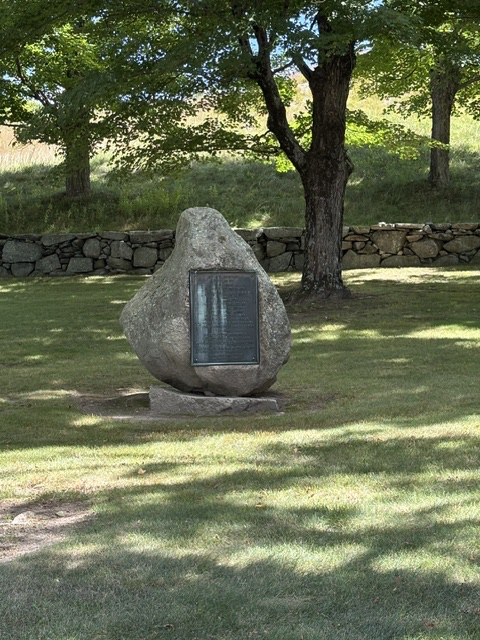
The Dorr Rebellion Memorial
This boulder monument stands in Acote’s Hill Cemetery, near the ground where the Dorr Rebellion reached its final confrontation in June 1842. Although it is located in a cemetery, it is not Thomas Wilson Dorr’s grave. Dorr died in 1854 and was buried at Swan Point Cemetery in Providence. This memorial marks the place where […]
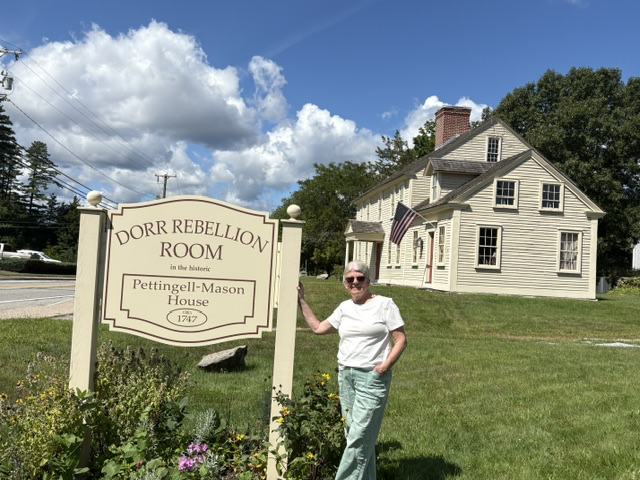
The Pettingill-Mason House and the Dorr Rebellion Room
Traditionally dated to 1747, the Pettingill-Mason House is a substantial colonial home standing at the foot of Acote’s Hill. Constructed with a heavy post-and-beam frame, the house was organized around a large central chimney with four fireplaces. Its hand-hewn timbers, wide-plank floors, narrow stairways, and stone foundation preserve the character of an eighteenth-century Rhode Island […]
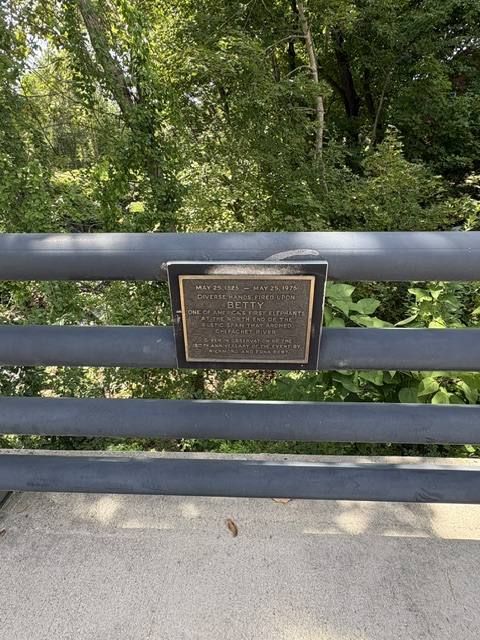
Betty the Learned Elephant
A small bronze plaque attached to the bridge over the Chepachet River preserves one of the saddest and most unusual stories in the history of Chepachet. Its old-fashioned inscription states that “divers hands fired upon Betty,” meaning that several people were responsible for shooting an elephant that had come to the village as part of […]

