Where the Land Meets the Sea
Standing along the waterfront in Pugwash, it is easy to understand why a community developed here. The water behind me is part of a landscape that has shaped life in this part of Nova Scotia for thousands of years.
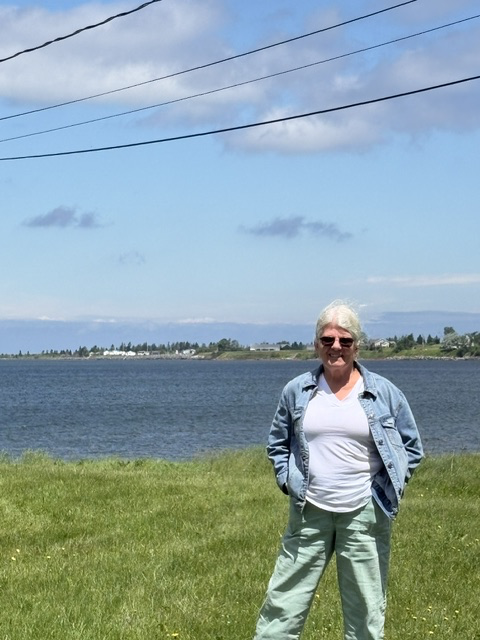
Long before Europeans arrived, the Mi’kmaq knew this area as Pagweak, a name associated with the shallow waters of the harbor. The river and the nearby Northumberland Strait provided transportation, fishing and access to the surrounding land. When European settlers established themselves here, they too built their lives around the water.
During the nineteenth century, Pugwash became a busy maritime community. Its protected harbor supported fishing, trade and especially wooden shipbuilding. Vessels constructed here carried local products to distant markets, connecting this small Nova Scotia community with ports far beyond its shores. Agriculture, lumbering and commerce developed alongside the maritime economy.
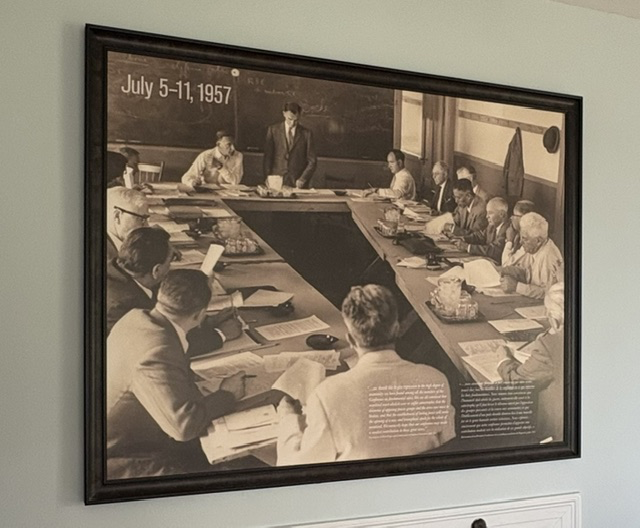
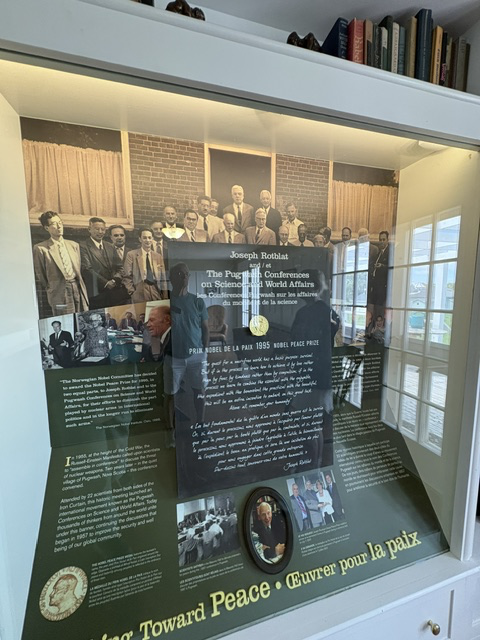
The water continued to shape the town as transportation changed. Sailing vessels eventually gave way to steamships, railroads and roads, but Pugwash remained connected to the wider world. When I first arrived, I knew Pugwash primarily for the extraordinary peace movement that began here in 1957. But standing beside the water reminded me that the story of this community began long before scientists arrived at Thinkers’ Lodge.
For generations, this harbor connected Pugwash to the world through ships and commerce. Then, in the twentieth century, people began traveling here for a very different reason—to sit together and search for ways to prevent nuclear war.
Read More From Nancy
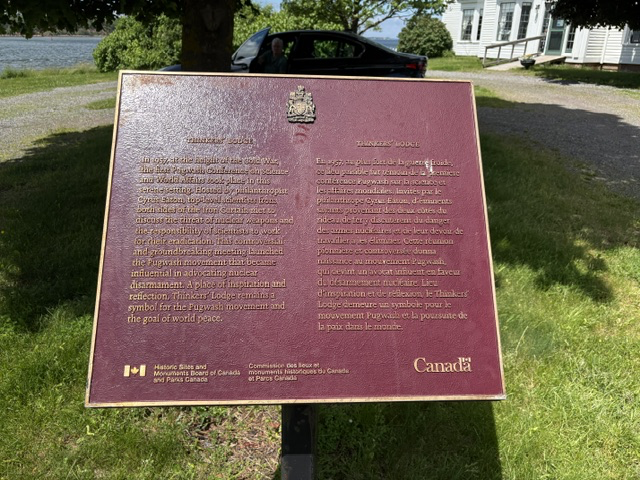
Thinkers’ Lodge National Historic Site Plaque
Standing in front of this plaque, I was struck by how long it took for Thinkers’ Lodge to receive formal recognition for what happened here. The first Pugwash Conference took place in 1957, when 22 scientists from ten countries gathered here at the height of the Cold War to discuss nuclear weapons and the responsibility […]
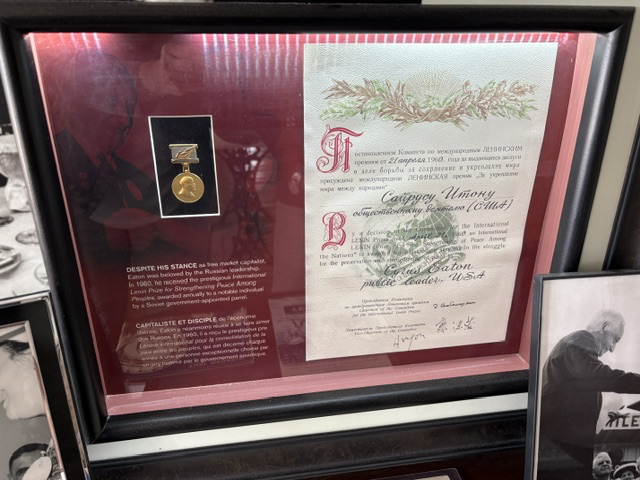
Cyrus Eaton and the International Lenin Peace Prize
I had never heard of the International Lenin Peace Prize before seeing Cyrus Eaton’s medal and certificate at Thinkers’ Lodge, but understanding what the award was makes this display much more interesting. The award was created by the Soviet Union in 1949, originally as the International Stalin Prize for Strengthening Peace Among Peoples. Following Stalin’s […]
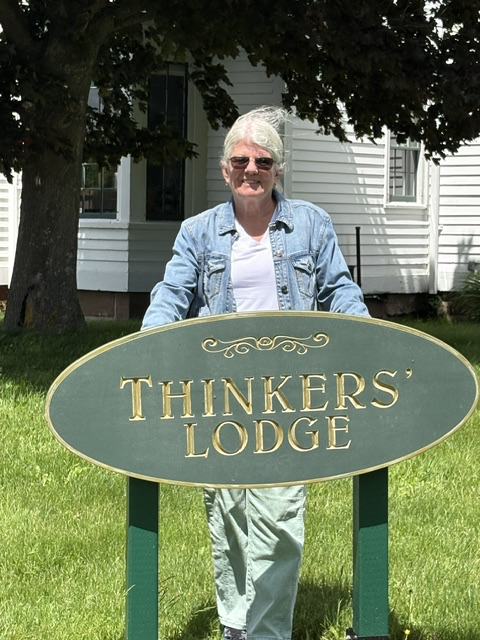
Thinkers’ Lodge
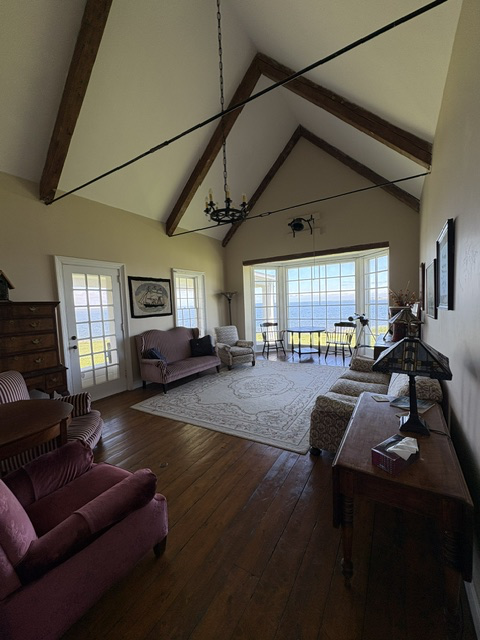
As we started our road trip home from Halifax, Marty and I decided to get off the main road and make our way to the small village of Pugwash, Nova Scotia. We had never heard of Pugwash, nor did we know anything about the remarkable events that had taken place there. What we found was […]

