Plimouth Patuxet Museums
During my homeschooling years, we made many trips to what was then called Plimoth Plantation. It was one of those places where history became much more than something we read about in a book. As we walked through the recreated 17th-century English village, the people we met remained in character, speaking and responding as though we had stepped into Plymouth Colony. We learned about their homes, their food, their work, their beliefs, and the challenges of creating a new community in an unfamiliar land.
One of my strongest memories is of the meetinghouse. We learned how central religion was to the lives of the settlers and how Sundays were devoted to worship and religious observance. Life in the colony could be physically difficult and socially restrictive, with expectations about work, faith, family, and behavior shaping much of daily life. Visiting with my children gave us an opportunity to see and talk about what those expectations might actually have meant for the people living here.
Over time, the museum began telling a broader story. A Wampanoag homesite allowed us to learn about the Indigenous people who had lived in this region for thousands of years before the Mayflower arrived. I remember watching traditional activities, seeing the wetu homes, and especially watching the process of creating a mishoon, a canoe made by carefully burning and scraping the interior of a large log. It added another perspective to what we had previously learned about Plymouth.
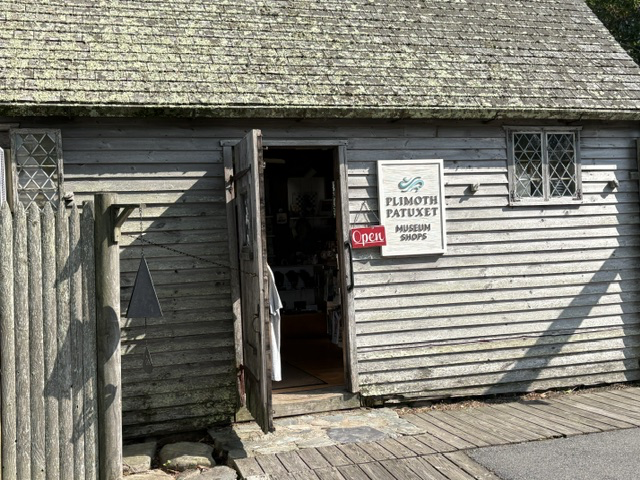
Today, the museum is known as Plimoth Patuxet Museums. Patuxet was the name of the Wampanoag community that had existed on this land before the English settlement of Plymouth. The change in name reflects the museum’s continuing effort to present both the English colonial and Indigenous histories of this place and to incorporate the research and perspectives that have expanded our understanding of the past.
I have not been back since these changes were made, so my memories belong to an earlier version of the museum. But perhaps that is part of this story as well. The history itself has not changed, but the way we study it, the voices we include, and the questions we ask continue to evolve. I remember Plimoth Plantation as an important part of our homeschooling years, and I look forward to someday returning to Plimoth Patuxet to see how the story we once explored with our children is being told today.
Read More From Nancy
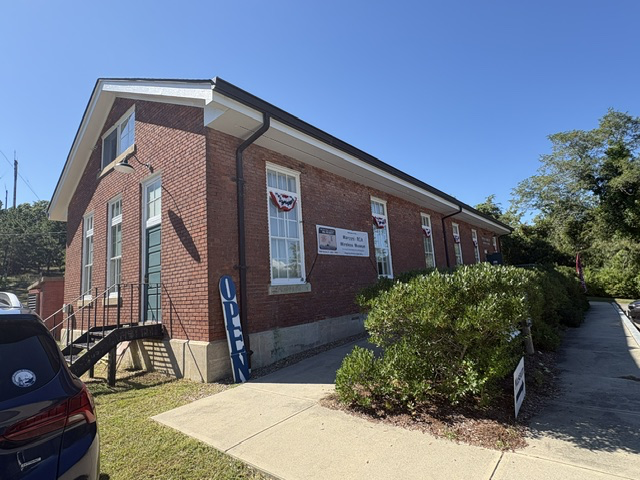
Marconi-RCA Wireless Museum
Long before messages could be sent instantly by telephone, satellite or the internet, Chatham served as an important link between ships at sea and the rest of the world. The Marconi-RCA Wireless Museum preserves the story of the people and technology that made those connections possible. Italian inventor Guglielmo Marconi helped transform communication through his […]
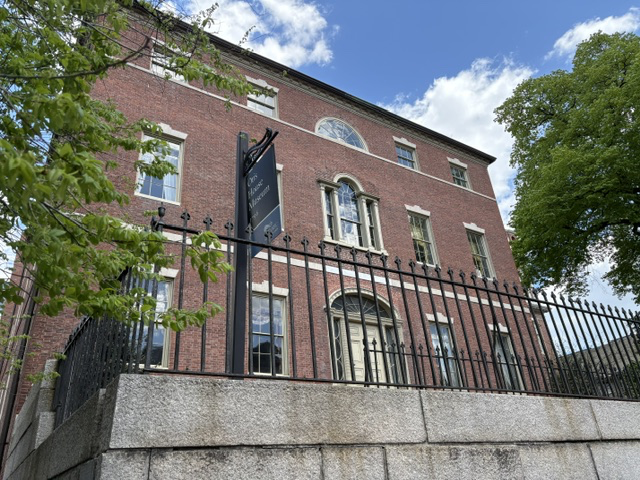
Headquarters of the Society for the Preservation of New England Antiquities (SPNEA)
I have already written about the Otis House as one of Boston’s important historic homes, but seeing this plaque on the building opened another story. The house is significant not only because of the people who once lived within it. For more than a century, it has also been closely associated with an organization devoted […]
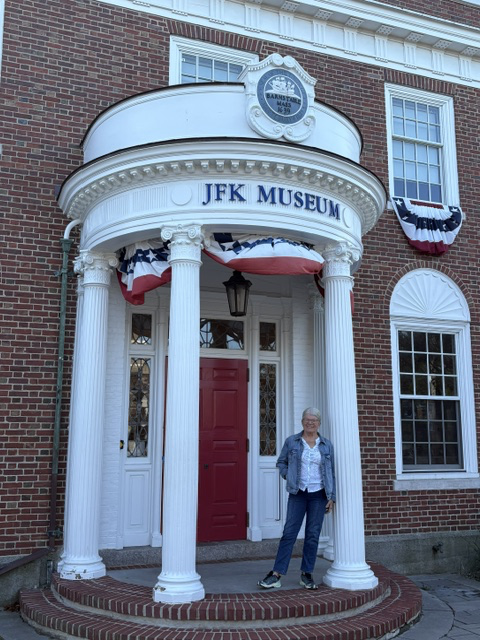
John F. Kennedy Museum
I grew up in a family that greatly admired the Kennedys. My mother kept a bust of President John F. Kennedy on our mantel, and there was little we did not know about the family and its many branches. Over the years, I visited numerous places associated with the Kennedys, so traveling to Hyannis and […]

