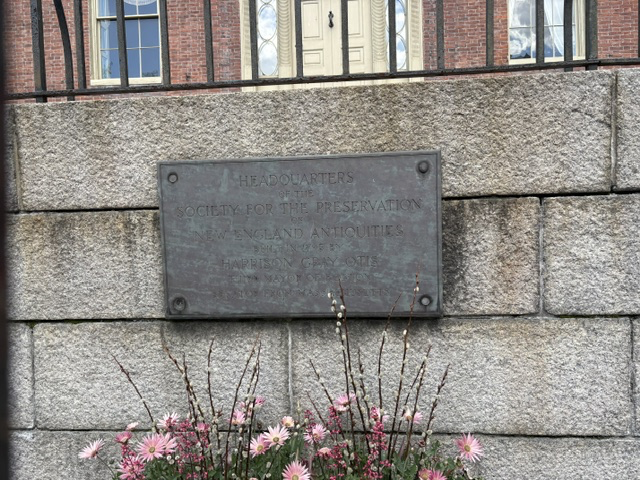
Headquarters of the Society for the Preservation of New England Antiquities (SPNEA)
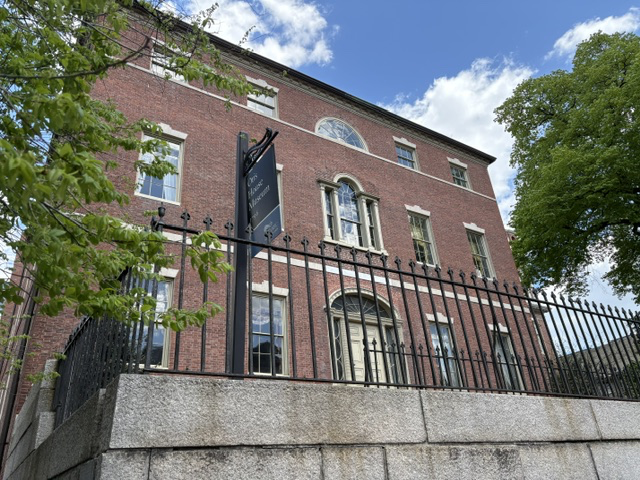
I have already written about the Otis House as one of Boston’s important historic homes, but seeing this plaque on the building opened another story. The house is significant not only because of the people who once lived within it. For more than a century, it has also been closely associated with an organization devoted to making sure historic places throughout New England survive.
The plaque identifies the building as the headquarters of the Society for the Preservation of New England Antiquities, or SPNEA. Founded in 1910 by William Sumner Appleton, the organization is known today as Historic New England. It is the oldest regional preservation organization in the country and has played an important role in changing the way historic buildings, landscapes, furnishings, photographs and documents are preserved and interpreted.
Appleton was among the pioneers of the historic preservation movement in America. At a time when old buildings were routinely demolished with relatively little concern for what was being lost, he believed that New England’s architecture deserved to be documented and preserved. Importantly, he did not believe a house had to have belonged to a president, general or other famous person to be worth saving. Architectural importance and what a building could reveal about the lives of earlier generations were reasons enough.
In 1916, the young organization acquired the Harrison Gray Otis House and made it both a museum and its headquarters. In a wonderful bit of symmetry, an organization dedicated to saving old buildings had found its home inside a historic building that itself needed to be saved.
When Cambridge Street was widened in 1925, the Otis House stood in the way. Rather than demolishing it, the organization undertook the remarkable task of moving the entire 1796 brick mansion. The house was separated from its foundation, supported on steel beams and moved nearly forty-three feet backward on large wooden rollers. The move took about a week and allowed both the house and the widening of Cambridge Street to survive together.
The building escaped destruction yet again during the massive urban-renewal projects of the late 1950s and early 1960s, when much of Boston’s old West End was demolished. While streets, houses and entire blocks disappeared around it, the Otis House remained, becoming an increasingly rare survivor of the neighborhood that had once surrounded it.
From this headquarters, SPNEA gradually developed an extraordinary collection of historic properties and objects. Today, as Historic New England, the organization cares for dozens of historic houses and landscapes across five New England states. Its collections include more than 125,000 objects and approximately 1.5 million archival documents, photographs, architectural drawings, manuscripts and pieces of ephemera. It also protects privately owned historic properties through preservation easements and provides educational programs devoted to New England’s architectural and cultural history.
The Otis House itself became part museum, part laboratory for historic preservation. Research conducted here included pioneering analysis of historic paint and wallpaper, allowing restorers to better understand the surprisingly colorful interiors of Federal-era houses. The organization used physical evidence, inventories, historic documents and surviving fragments to reconstruct rooms based on research rather than simply on what later generations thought an old house should look like.
A house that survived more than two centuries of change became a headquarters for people dedicated to helping other historic places survive as well. And because of the work that began with William Sumner Appleton and SPNEA, buildings throughout New England that might otherwise have disappeared are still standing for us to discover today.
Read More From Nancy
Berkshire Museum
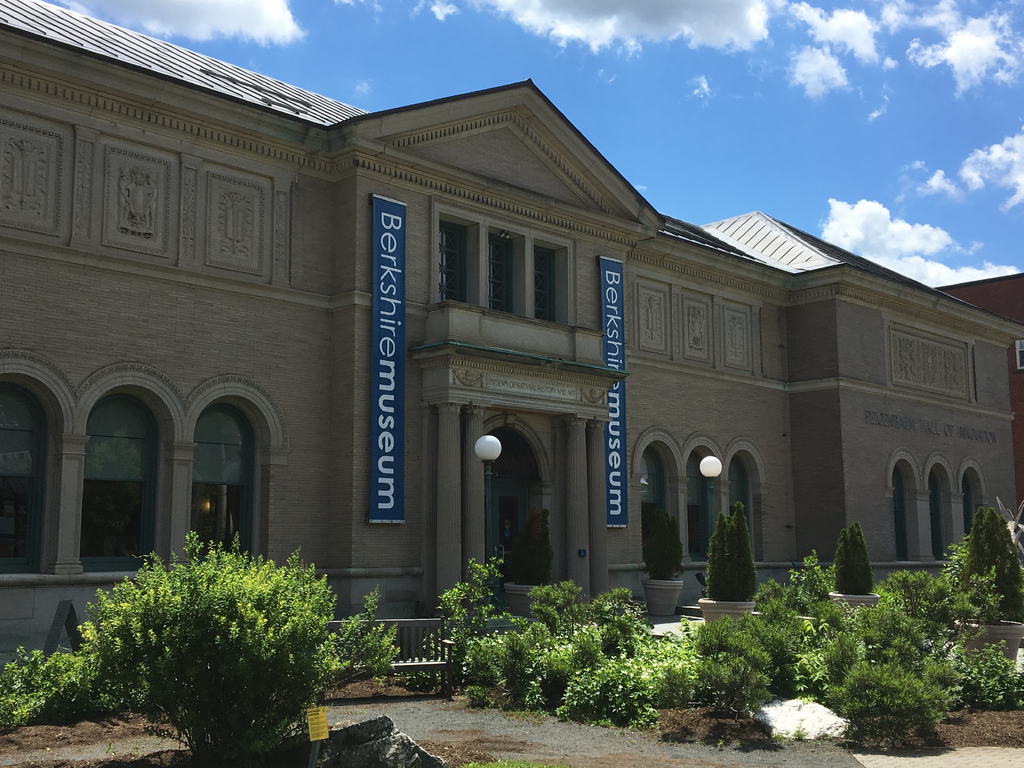
While spending time in the Berkshires, I visited the Berkshire Museum in downtown Pittsfield. A special exhibition devoted to guitars added an enjoyable musical element to the visit, but it was the museum’s varied permanent collection that made the strongest impression on me. The Berkshire Museum was founded in 1903 by local businessman and philanthropist […]
Thayer Library
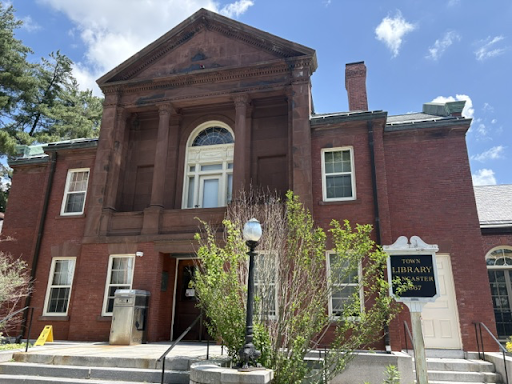
Another impressive building in the center of Lancaster is the Thayer Memorial Library. During our tour, we learned that the institution’s roots extend far beyond the beautiful structure that stands today. The town’s first library organization, known as the Lancaster Library and later the Lancaster Social Library, was established in 1790. In 1862, residents voted […]
Norman Rockwell Museum
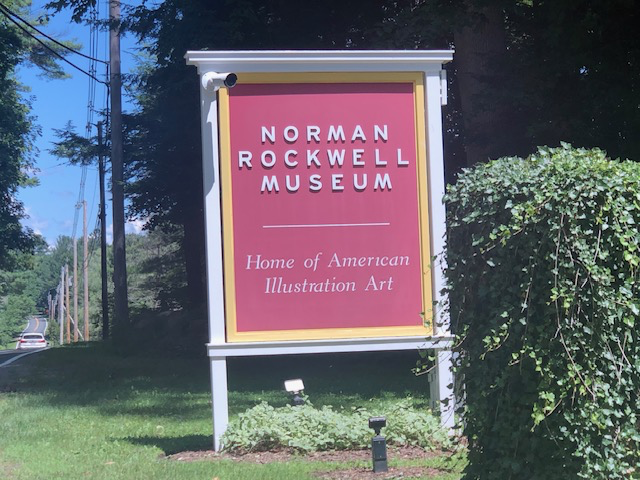
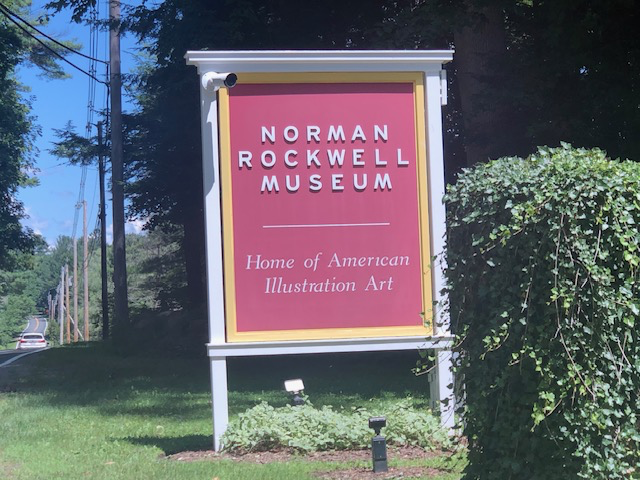
I love returning to the Norman Rockwell Museum in Stockbridge. The museum holds the world’s largest collection of Rockwell’s work, along with changing exhibitions that examine American illustration and the artists who used pictures to tell stories. Because the special exhibitions change, each visit offers something different, even when the familiar paintings remain the reason […]

