Hannah Simonds’ Mourning Portrait
One of the most moving pieces we discovered at the Buckman Tavern in Lexington was this delicate watercolor painted by Hannah Simonds in 1805. At first glance, it appears to be a simple family memorial, but it tells a much larger story about remembrance, family, and the quiet ways ordinary Americans preserved the legacy of the Revolutionary War.
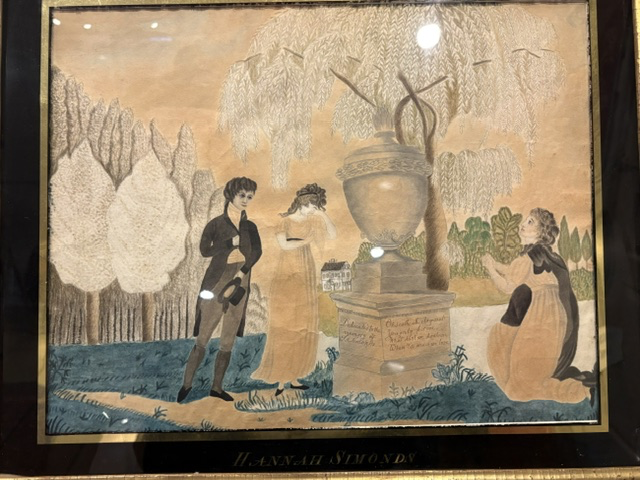
Hannah Simonds (1786–1864) painted this mourning portrait in honor of her father, Joshua Simonds (1736–1805), a veteran of the American Revolution. During the late eighteenth and early nineteenth centuries, mourning art became an important way for families to remember loved ones. Before photography, paintings such as this served as treasured family heirlooms, preserving both memory and emotion for future generations.
The symbolism throughout the painting reflects the traditions of mourning art. A graceful weeping willow, long associated with grief and remembrance, stands beside a memorial urn, representing both loss and the hope that memories endure beyond death. The figures gathered around the monument suggest a family united in remembrance, while the peaceful landscape creates a feeling of quiet reflection rather than sorrow alone. Every element was carefully chosen to honor a life well lived.
What makes this portrait especially meaningful is the man it commemorates. Joshua Simonds was not one of the famous names found in history books. He was one of the thousands of ordinary citizens who answered the call during the Revolutionary War and then returned home to their families and communities. His service was part of the collective sacrifice that secured American independence.
While soldiers fought for independence, women frequently became the keepers of family history. Through paintings like this, treasured objects, written accounts, and oral traditions, they preserved the stories of the Revolutionary generation for their children and grandchildren. Their quiet work ensured that these personal histories survived long after the war had ended.
Seeing this painting inside Buckman Tavern made it even more significant. This is the very building where Lexington militia gathered before facing British regulars on the morning of April 19, 1775. Visitors naturally come here to learn about the first day of the Revolution, but this portrait reminds us that the story did not end when the muskets fell silent. The Revolution continued in the lives of the families who carried its memories forward.
Read More From Nancy
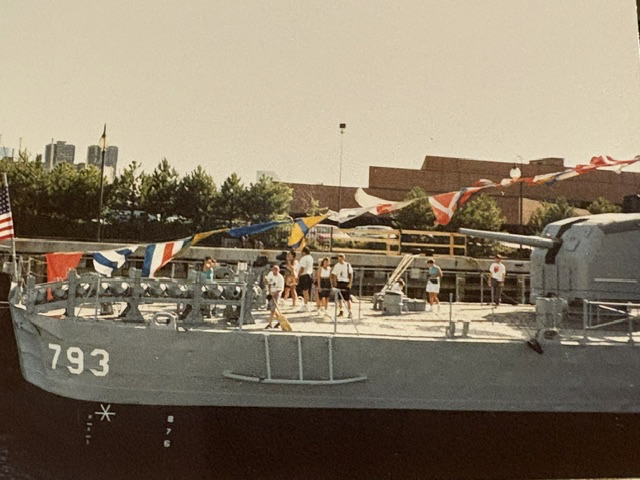
USS Cassin Young
The USS Cassin Young, identified by the hull number DD-793, is preserved at the Charlestown Navy Yard as part of Boston National Historical Park. The Fletcher-class destroyer represents both the industrial effort that produced thousands of American warships during the Second World War and the experiences of the sailors who served aboard them. The ship was […]
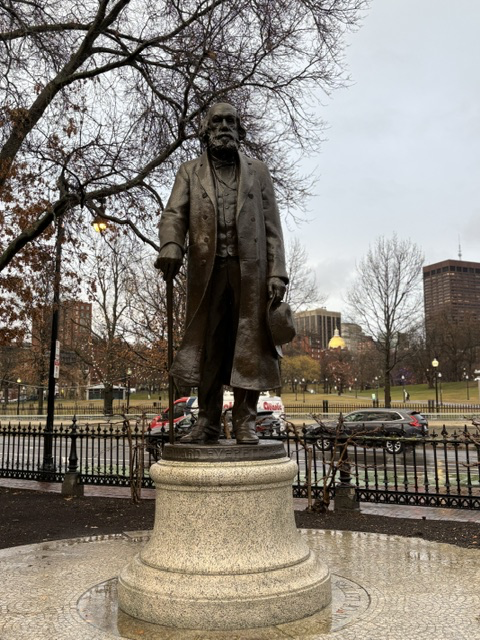
Edward Everett
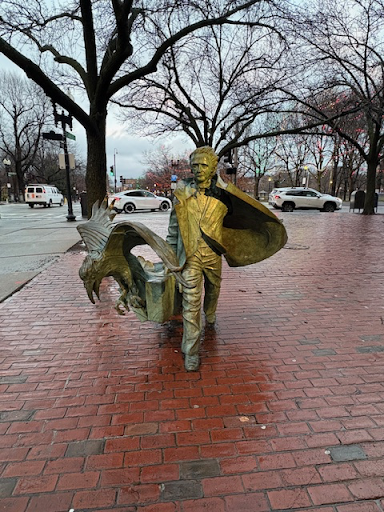
Standing on Boston Common is a statue of a man whose name is no longer familiar to many Americans, yet during the nineteenth century he was one of the nation’s most admired public figures. This monument honors Edward Everett, a Massachusetts scholar, educator, diplomat, governor, U.S. senator, Secretary of State, and one of the greatest […]
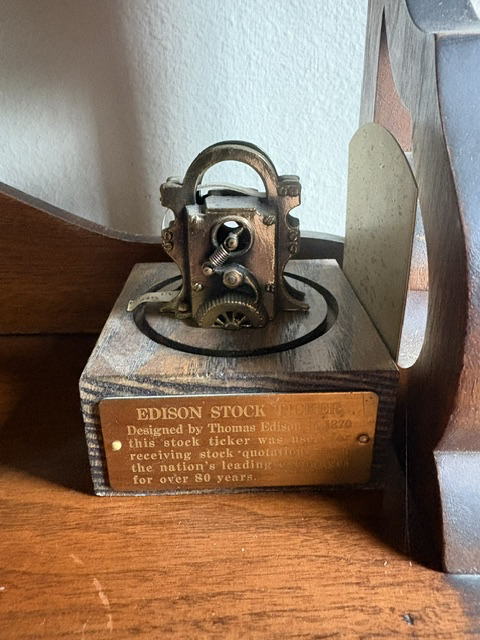
Edison Stock Ticker
Among the historical objects preserved at the Bancroft Memorial Library is an Edison stock ticker, a reminder of the period when electricity and telegraphy began transforming the speed at which information traveled. Before machines like this became available, brokerage firms depended upon messengers to carry the latest prices from the trading floor. By the time […]

