The Golden Gate Mosaic
One of the artistic treasures that captured my attention at St. Vitus Cathedral was the magnificent mosaic above the Golden Gate. While many visitors focus on the cathedral’s soaring Gothic architecture, this mosaic invites you to stop, look carefully, and appreciate one of the finest surviving medieval mosaics in Europe.
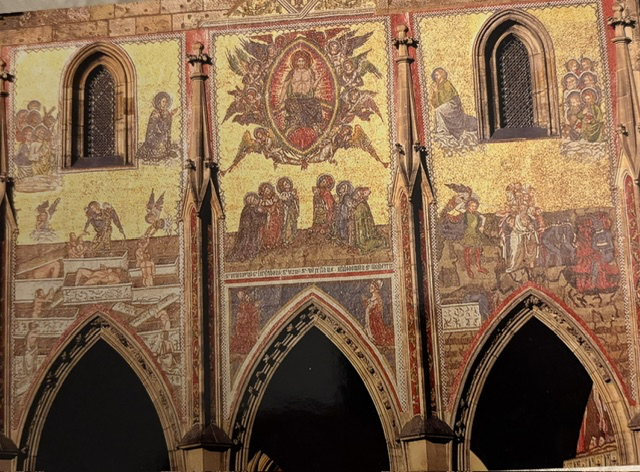
Created between 1370 and 1371 during the reign of Holy Roman Emperor Charles IV, the mosaic depicts the Last Judgment, one of the most important themes in medieval Christian art. Christ occupies the center of the composition, seated in glory and surrounded by angels. Below Him are scenes of the blessed entering heaven and the condemned facing eternal judgment. To medieval worshippers, the message was unmistakable: every person, regardless of wealth, power, or position, would one day stand before Christ.
What makes the mosaic especially remarkable is its construction. Rather than being painted, it is composed of hundreds of thousands of tiny pieces of Venetian glass, known as tesserae. Many of these pieces were backed with gold leaf, creating the brilliant golden background that gave the gate its name. As sunlight strikes the surface throughout the day, the glass reflects light at different angles, causing the mosaic to shimmer in a way that paint never could.
Creating a work of this size required extraordinary planning and craftsmanship. Each tiny piece of glass had to be cut by hand and carefully placed to produce shading, movement, and expression. Medieval artisans understood that from a distance the individual pieces would disappear, allowing the figures and scenes to emerge with remarkable clarity. More than six hundred and fifty years later, their craftsmanship continues to impress visitors from around the world.
The mosaic has not had an easy history. Centuries of harsh weather, pollution, and exposure to the elements caused significant deterioration. Conservation efforts over many decades have stabilized and restored much of the original work, allowing today’s visitors to appreciate a masterpiece that might otherwise have been lost. Preserving a glass mosaic exposed to the changing seasons has been an ongoing challenge, making its survival all the more remarkable.

Read More From Nancy
Astronomical Clock
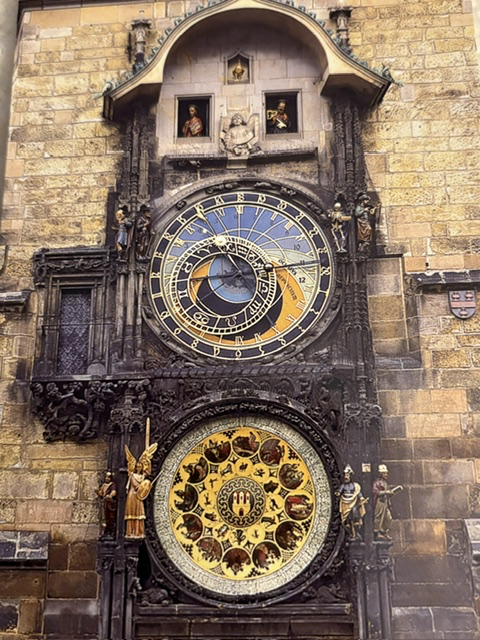
Standing before the Prague Astronomical Clock feels like stepping into the medieval world. Surrounded by the stone buildings and narrow streets of Prague, the clock is a masterpiece of engineering, astronomy, art, religion and storytelling that has fascinated visitors for over six centuries. Installed in 1410, the Prague Astronomical Clock, often called the Orloj, is considered the third-oldest […]
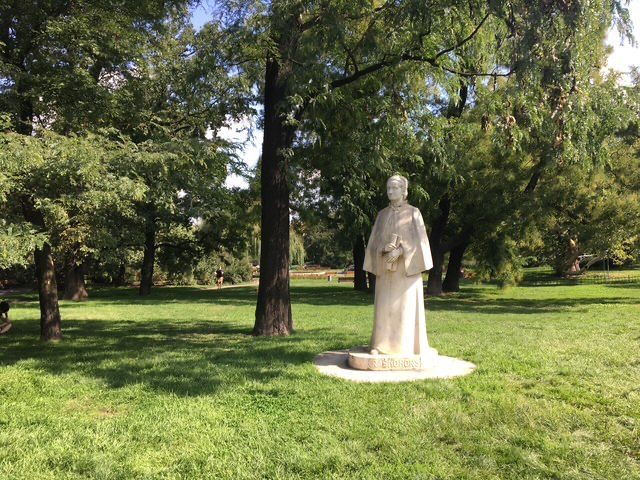
Saint Agnes of Bohemia
Walking through the peaceful gardens of Karlovo náměstí, we came upon this simple but meaningful statue of Saint Agnes of Bohemia, one of the most revered figures in Czech history. Surrounded by trees and far removed from Prague’s crowded tourist attractions, the monument reflects the quiet humility that defined her life. Born in 1211 into the […]
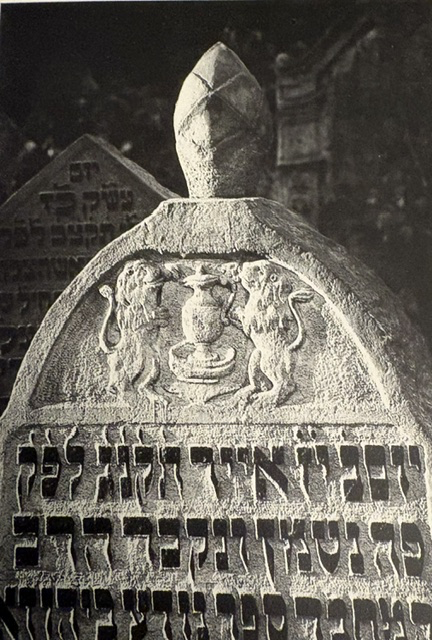
The Tomb of Rabbi Yechezkel Landau
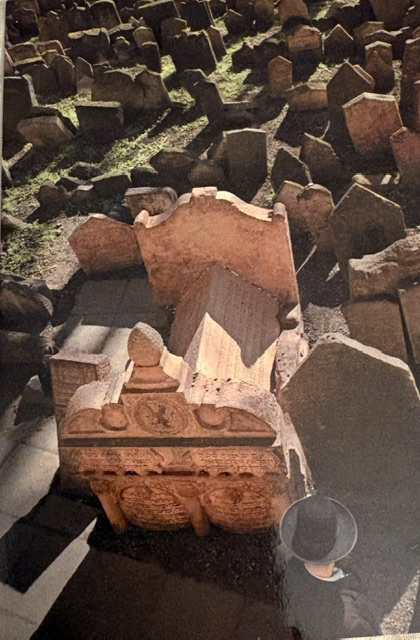
While in Prague, we took a guided tour of the city’s Jewish Quarter, which included a visit to the remarkable Old Jewish Cemetery. Established in the early fifteenth century and used until 1787, it is one of the oldest surviving Jewish cemeteries in Europe. Because Jews were forbidden to expand the cemetery beyond its limited […]

