The Tomb of Rabbi Yechezkel Landau
While in Prague, we took a guided tour of the city’s Jewish Quarter, which included a visit to the remarkable Old Jewish Cemetery. Established in the early fifteenth century and used until 1787, it is one of the oldest surviving Jewish cemeteries in Europe. Because Jews were forbidden to expand the cemetery beyond its limited boundaries, generations of burials were placed in successive layers, resulting in as many as twelve levels of graves and the haunting landscape of closely packed, tilted tombstones seen today.
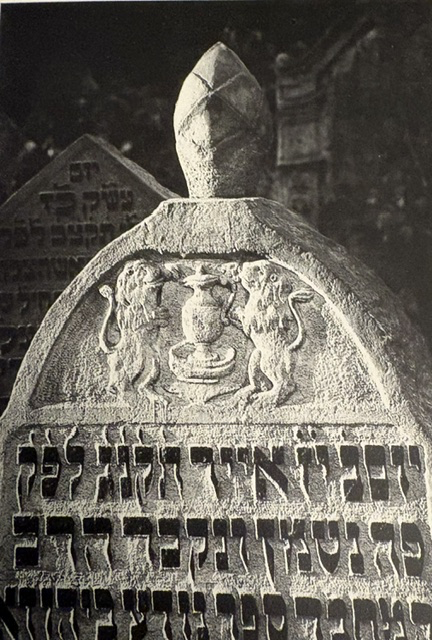
Among the graves we visited was that of Rabbi Yechezkel Landau, who served as Chief Rabbi of Prague for nearly forty years. Known throughout the Jewish world by the title of his celebrated work, Noda B’Yehuda, Rabbi Landau was one of the foremost authorities on Jewish law in the eighteenth century, and his writings continue to be studied and cited today.
His tombstone is rich in symbolism. The pitcher and basin carved at its center identify him as a member of the tribe of Levi, whose traditional role included assisting the Kohanim in the Temple. The two lions flanking the vessel are associated with the name Yehudah and symbolize strength and leadership. The Hebrew inscription honors a man whose influence extended far beyond Prague.
Standing in this ancient cemetery, surrounded by thousands of weathered stones and centuries of history, I was struck by the continuity of Jewish life in Prague. Despite periods of persecution, expulsion, and ultimately the devastation of the Holocaust, the Jewish community left behind a profound spiritual and cultural legacy.
Read More From Nancy
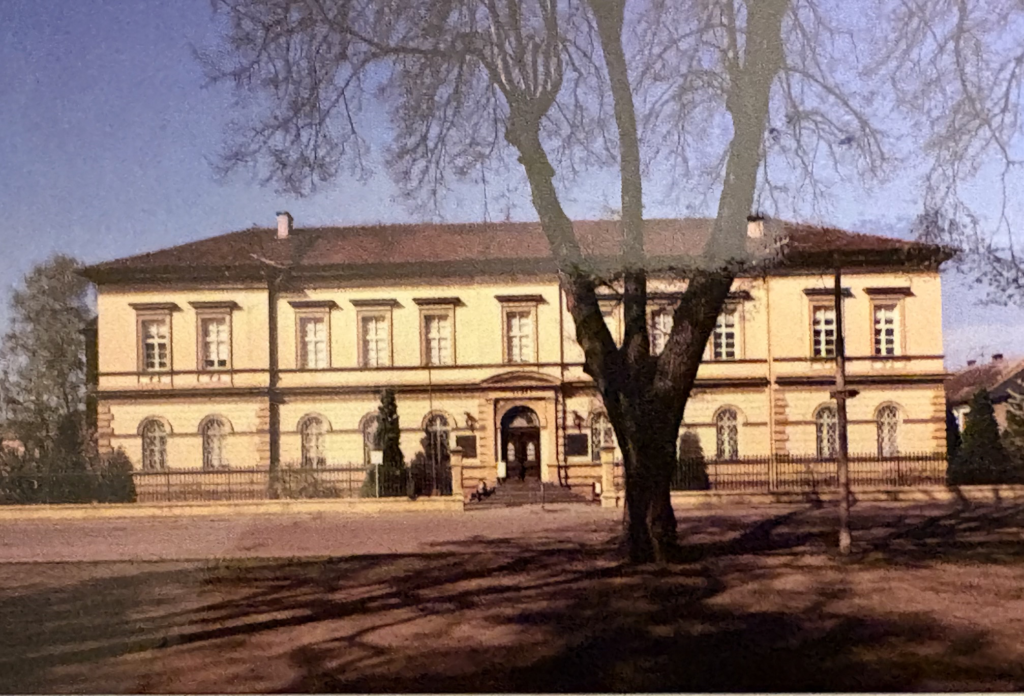
Terezín Memorial
During our visit to the Czech Republic, Marty and I hired a tour guide to take us through the countryside to view soeof the region’s historic sites. One of the most memorable trips was Tererzin. Having a guide allowed us to better understand the history of the town and the events that unfolded there during World War II. A visit to Terezin is […]
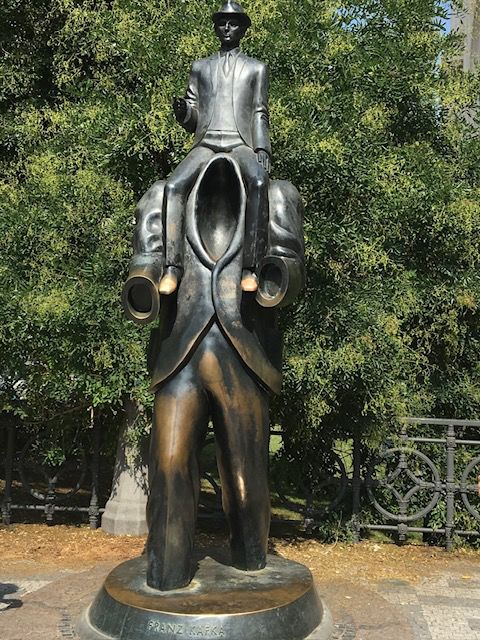
Monument to Franz Kafka
In the heart of Prague, tucked within the narrow streets of the Jewish Quarter, there is this sculpture of Franz Kafka. We came upon it while on a walking tour of the Jewish Quarter, moving through the layered history of this part of the city. At first glance, this statue seems surreal. A large empty […]
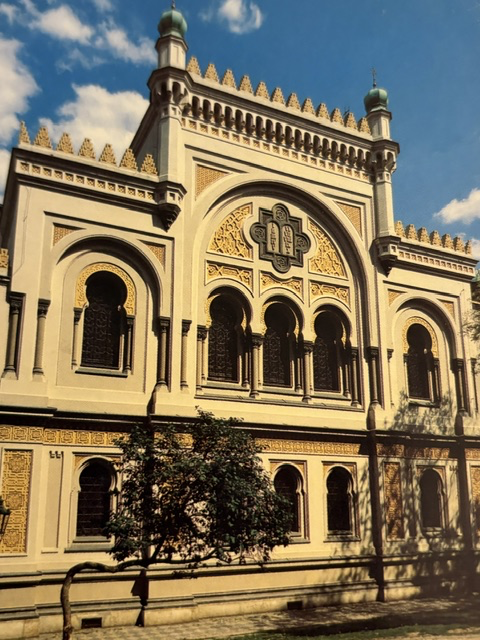
Spanish Synagogue
Among the many remarkable sites we visited in Prague, one of the most beautiful was the Spanish Synagogue. Built in 1868 on the site of Prague’s oldest synagogue, which had served the Jewish community since the Middle Ages, the building is renowned for its stunning Moorish Revival architecture and richly decorated interior inspired by the […]

