Saint Agnes of Bohemia
Walking through the peaceful gardens of Karlovo náměstí, we came upon this simple but meaningful statue of Saint Agnes of Bohemia, one of the most revered figures in Czech history. Surrounded by trees and far removed from Prague’s crowded tourist attractions, the monument reflects the quiet humility that defined her life.
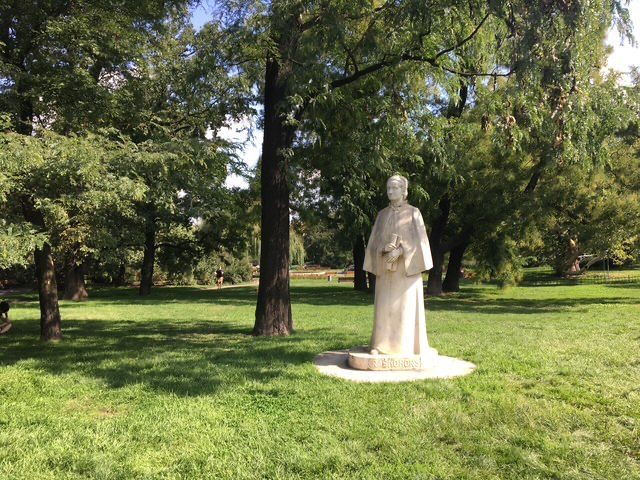
Born in 1211 into the royal Přemyslid family, Agnes could have become a queen through one of several arranged political marriages. Instead, she chose a very different path. Rejecting a life of wealth and power, she devoted herself to serving the poor, founding the Hospital of St. Francis and the Convent of the Poor Clares in Prague. Her work established one of the earliest organized charitable institutions in Central Europe and reflected a lifelong commitment to compassion and service.
Agnes worked closely with Saint Clare of Assisi and embraced the ideals of the Franciscan movement, believing that true greatness was found not through status or possessions but through humility and caring for others. For centuries, she remained one of the Czech people’s most beloved religious figures.
Her story took on new significance in modern times. In November 1989, Pope John Paul II canonized Agnes as a saint after centuries of devotion. Only a few days later, the Velvet Revolution peacefully brought an end to Communist rule in Czechoslovakia. Many Czechs viewed the timing as more than coincidence, recalling an old legend that foretold the Czech nation would experience a time of renewal when Agnes was finally declared a saint.
Saint Agnes never sought power or recognition. Instead, she dedicated her life to serving others, and more than seven hundred years later, she continues to represent generosity, humility, and hope.
Read More From Nancy
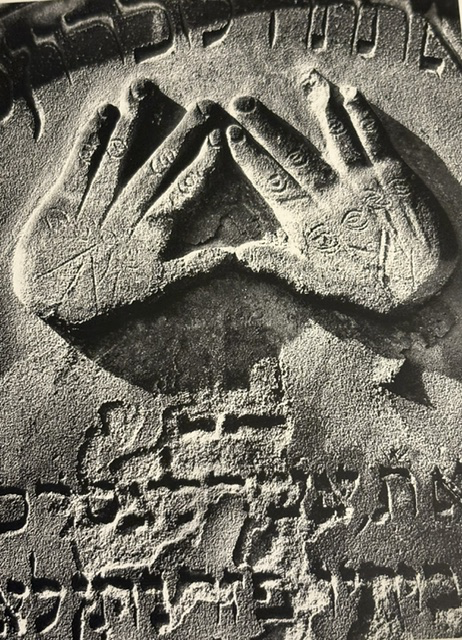
The Blessing Hands
While touring the historic Jewish Cemetery in Prague, one of the symbols we learned to recognize was this carving of two hands. At first glance it appears to be a simple decorative image, but it is actually one of the oldest and most meaningful symbols found in Jewish cemeteries. The carving identifies the deceased as […]
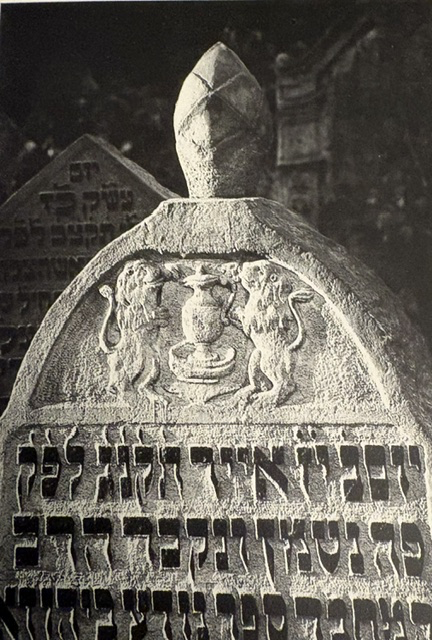
The Tomb of Rabbi Yechezkel Landau
While in Prague, we took a guided tour of the city’s Jewish Quarter, which included a visit to the remarkable Old Jewish Cemetery. Established in the early fifteenth century and used until 1787, it is one of the oldest surviving Jewish cemeteries in Europe. Because Jews were forbidden to expand the cemetery beyond its limited […]
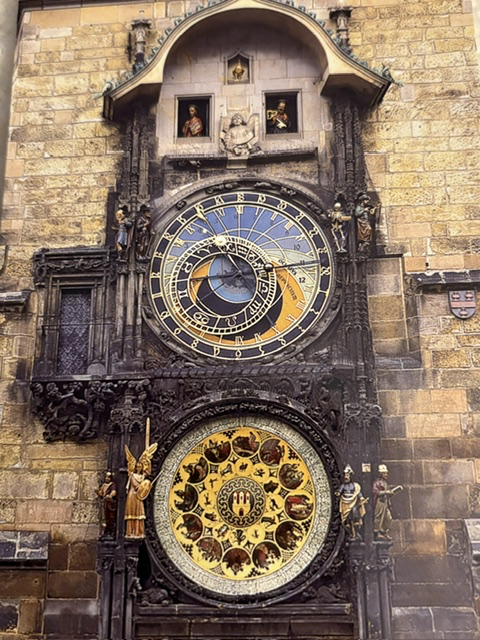
Astronomical Clock
Standing before the Prague Astronomical Clock feels like stepping into the medieval world. Surrounded by the stone buildings and narrow streets of Prague, the clock is a masterpiece of engineering, astronomy, art, religion and storytelling that has fascinated visitors for over six centuries. Installed in 1410, the Prague Astronomical Clock, often called the Orloj, is considered the third-oldest […]

