Gateway National Recreation Area
One early morning while we were in New York, I drove out to the New York side of Gateway National Recreation Area. I wanted to walk the trails and spend some time watching the birds at the Jamaica Bay Wildlife Refuge.
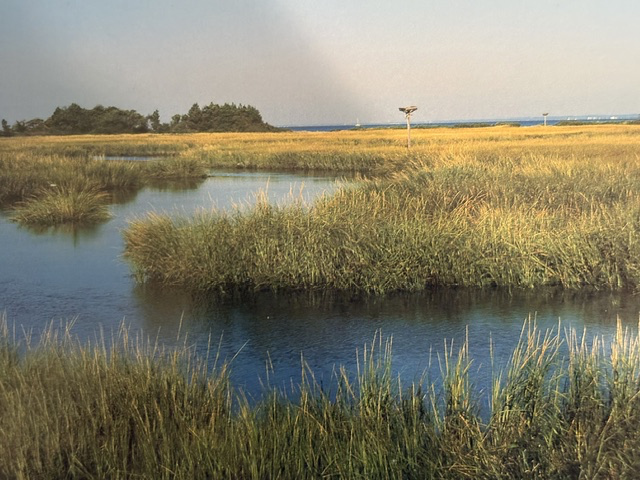
What struck me was its location. This is not a remote National Park site. Jamaica Bay is within New York City, surrounded by neighborhoods, highways, and airports, yet within the refuge are salt marshes, ponds, open water, grasses, and trails that provide habitat for an extraordinary variety of birds and other wildlife.
Jamaica Bay sits along the Atlantic Flyway, one of the major migration routes used by birds traveling along the eastern coast of North America. More than 300 species have been recorded in the Jamaica Bay area. Depending on the season, visitors may see herons, egrets, ducks, geese, shorebirds, raptors, and many other migrating species.
Walking the trail early in the morning was a wonderful way to experience this part of Gateway. The trails take you through the refuge and provide opportunities to stop and watch the birds feeding and moving through the wetlands. It felt surprisingly removed from the city surrounding it.
The refuge is only one part of the much larger Gateway National Recreation Area. The park encompasses areas in both New York and New Jersey, including Jamaica Bay, Staten Island, and Sandy Hook. Congress established Gateway National Recreation Area on October 27, 1972, creating one of the country’s first major urban national recreation areas. Its creation recognized that people living in large cities should also have access to protected natural landscapes, recreation, and historic places.
I enjoyed being out early, walking the trail and looking for birds as the day began. Although relatively small compared with many of the National Park landscapes, I have visited, Jamaica Bay provides something particularly valuable, a protected natural refuge within one of the largest urban areas in the country.
Read More From Nancy
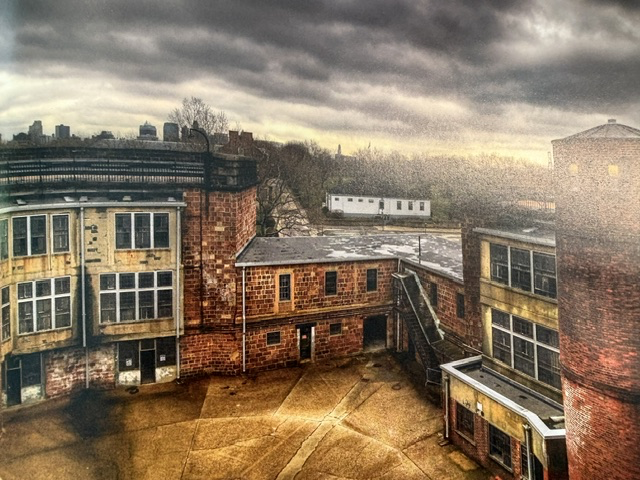
Governors Island National Monument
Looking across New York Harbor, it is easy to understand why Governors Island has been considered strategically important for centuries. Positioned between Lower Manhattan and Brooklyn, the island occupies one of the most valuable locations on the East Coast. Whoever controlled this small island helped protect the harbor that would become one of the busiest […]
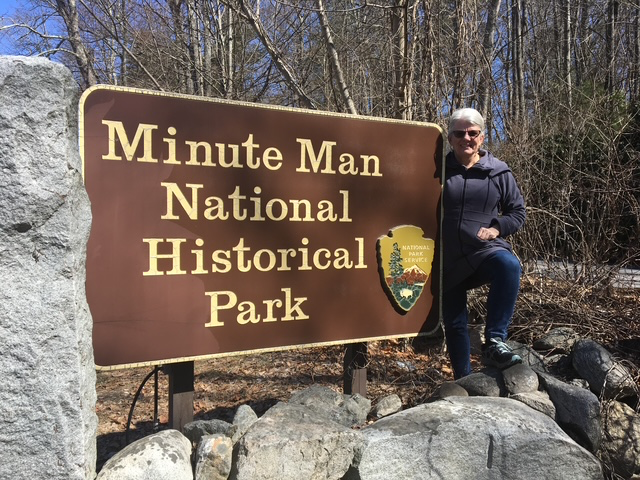
Minute Man National Park
On numerous acres stretches Minute Man National Historical Park. As a Massachusetts resident, we have visited this park several times. The park encompasses approximately 1,000 acres across the towns of Lexington, Lincoln, and Concord, preserving the landscape of April 19, 1775. This date was the opening day of the American Revolution. It was established as a National […]
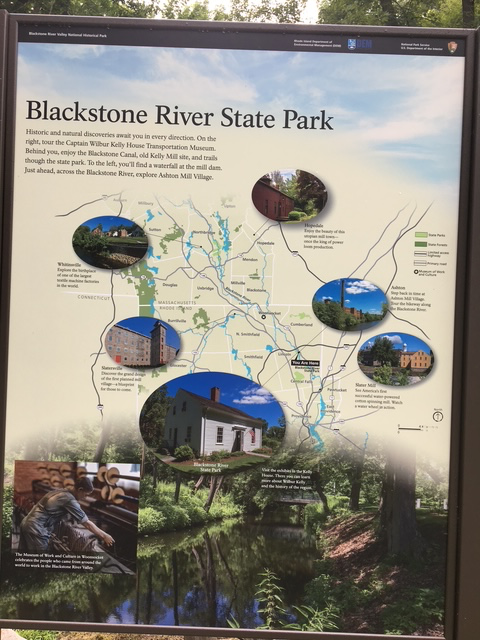
Blackstone River Valley National Historical Park
The Blackstone River Valley National Historical Park is a place where you can walk into the beginning of the American Industrial Revolution. Stretching between Worcester, Massachusetts, and Providence, Rhode Island, this valley tells the story of how a young nation transformed itself through innovation, water power and industry. At the heart of it all is the […]

