Governors Island National Monument
Looking across New York Harbor, it is easy to understand why Governors Island has been considered strategically important for centuries. Positioned between Lower Manhattan and Brooklyn, the island occupies one of the most valuable locations on the East Coast. Whoever controlled this small island helped protect the harbor that would become one of the busiest ports in the world.
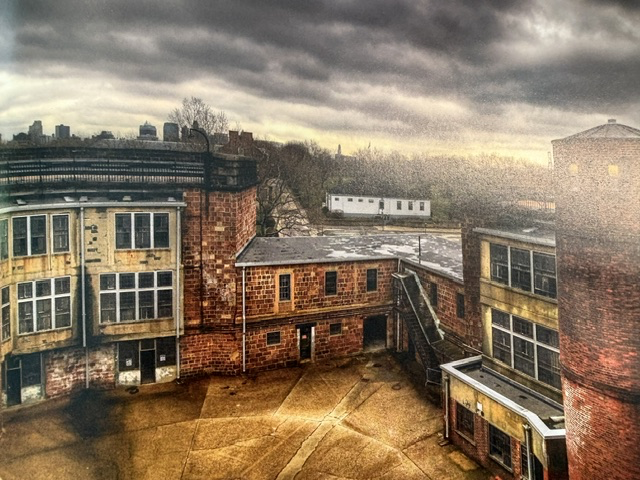
Governors Island National Monument was established on January 19, 2001, to preserve two of America’s oldest coastal fortifications—Fort Jay and Castle Williams. Together, these remarkable structures tell the story of more than two hundred years of military history and the evolving defense of New York City.
Military use of the island began during the American Revolution, when Patriot forces constructed earthworks to defend New York Harbor against the British. Following the Revolution, the federal government recognized the island’s continued importance and developed a permanent military presence that would last for more than two centuries.
At the heart of the monument stands Fort Jay, whose distinctive star-shaped design reflects military engineering at the beginning of the nineteenth century. Nearby, Castle Williams, completed in 1811, was one of the nation’s first circular defensive forts. Built of massive sandstone walls several feet thick, it was designed to withstand naval bombardment and formed an important part of the harbor’s defensive system during the War of 1812. Although no enemy fleet ever attacked New York, the strength of these fortifications helped discourage such an attempt.
As military technology evolved, so did the island’s purpose. Governors Island served as an Army headquarters, a recruiting center, and later a major Coast Guard installation. For generations, soldiers, officers, and Coast Guard personnel lived and worked here until the Coast Guard closed its base in 1997, ending more than two hundred years of continuous military service on the island.
What impressed me most was how the island continues to evolve. Once closed to the public and devoted entirely to military purposes, it has become a place where visitors can explore history while enjoying spectacular views of Manhattan, the Statue of Liberty, Brooklyn, and New York Harbor. It demonstrates that preservation is not only about protecting old buildings but also about giving new generations the opportunity to understand the important roles these places once played.
Read More From Nancy
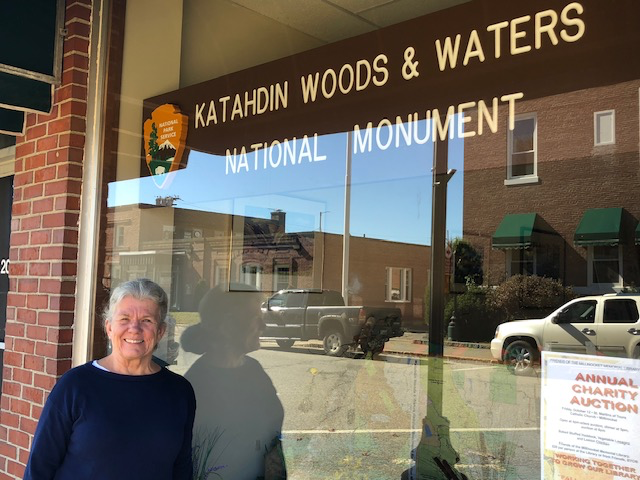
Katahdin Woods and Waters National Monument
Erin and I drove for hours to visit Katahdin Woods and Waters National Monument, located in the remote forests of northern Maine. Maine is the largest of the New England states, and the drive from our home in Natick, Massachusetts to this site is a 300-mile journey. The long drive was part of the experience of […]
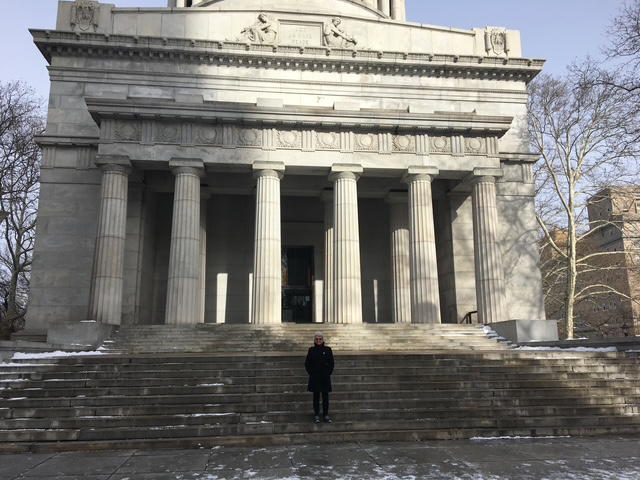
General Grant Memorial Park
The General Grant National Memorial, often called Grant’s Tomb, is the final resting place of Ulysses S. Grant. Located along Riverside Drive in New York City, it stands as the largest mausoleum in North America and one of the most prominent memorials to a Civil War figure. Grant died on July 23, 1885. At the time of […]

Federal Hall National Memorial
Federal Hall is one of the most historically significant sites in New York, marking the birthplace of the American government. From Washington’s inauguration to the adoption of the Bill of Rights, it embodies the early struggles and triumphs that shaped the nation. Standing on the steps where George Washington took the oath of office on April […]

