Minute Man National Park
On numerous acres stretches Minute Man National Historical Park. As a Massachusetts resident, we have visited this park several times.
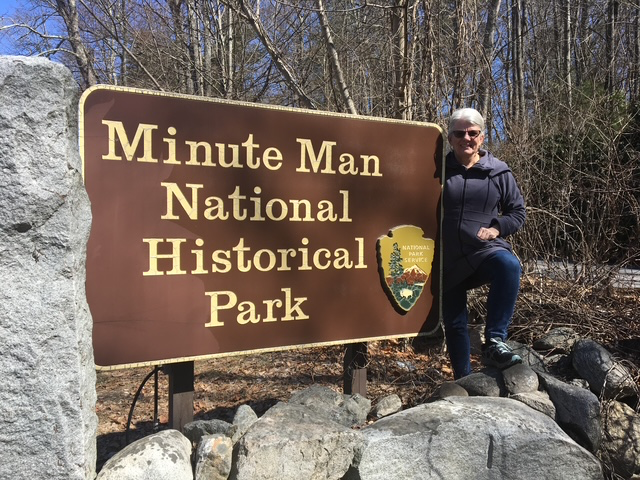
The park encompasses approximately 1,000 acres across the towns of Lexington, Lincoln, and Concord, preserving the landscape of April 19, 1775. This date was the opening day of the American Revolution. It was established as a National Historical Park in 1959, signed into law by President Dwight D. Eisenhower.
The park has two primary visitor centers that help tell the story.
The Lexington Visitor Center focuses on the early morning events on Lexington Green, where the first shots were fired. The North Bridge Visitor Center in Concord interprets the “shot heard round the world”. Here, colonial militia crossed the Old North Bridge and forced British troops to retreat. This action marked the first organized colonial resistance of the day.
The Minuteman National Park is a preserved landscape that includes open fields, the winding road and a river. This is where the Revolution began, on town greens and country roads.
Read More From Nancy
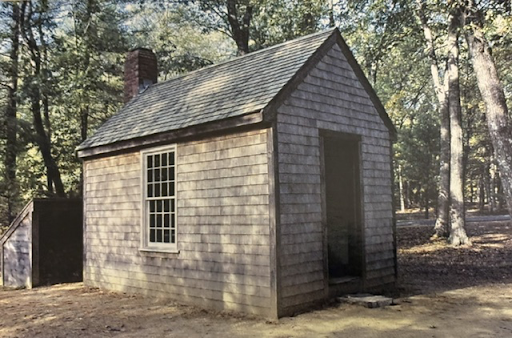
Thoreau’s Cabin
While visiting Walden Pond, I stopped at this replica of Henry David Thoreau’s famous cabin. Although the original cabin no longer exists, this reconstruction offers visitors an opportunity to imagine the simple life Thoreau embraced while living beside the pond from 1845 to 1847. At just 10 by 15 feet, the cabin reflected Thoreau’s belief […]
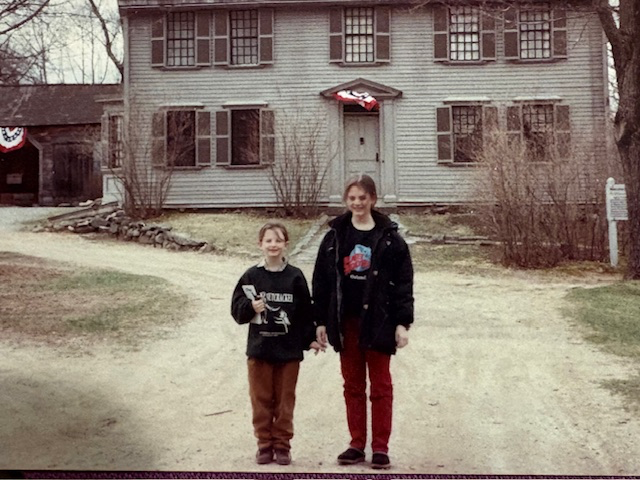
Old Manse
One homeschooling morning, I took Emmy and Erin to visit the Old Manse in Concord. As was often the case with weekday explorations, the house was nearly empty. Museums and historic sites were a big part of our schooling. Built in 1770 for the Reverend William Emerson, the Old Manse stands just steps from the […]
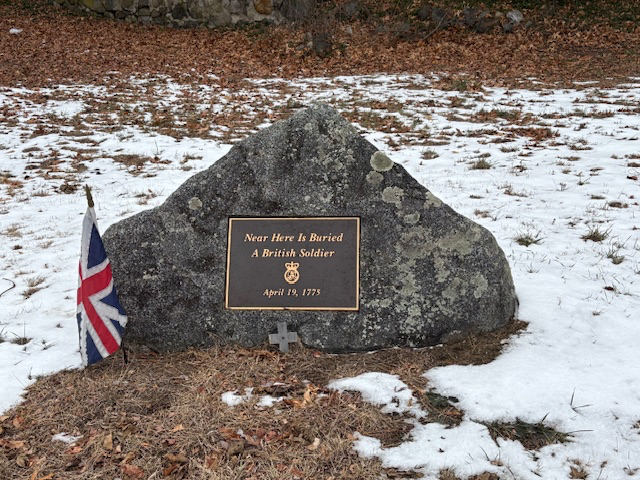
British Soldier Memorial
Among the historic roads of Concord, where so much of the opening day of the American Revolution unfolded, there is this small, easily overlooked stone. It reads: “Near Here is Buried A British Soldier – April 19, 1775” This marker points to one of the most human and often forgotten aspects of the Battles of Lexington […]

