Harriet Tubman National Historic Site
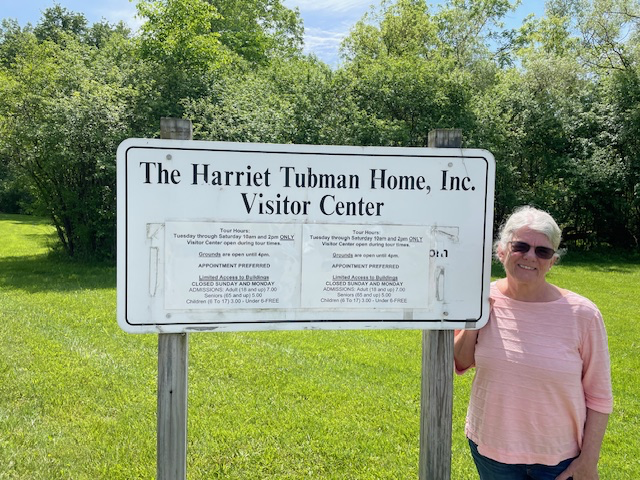
When I visited the Harriet Tubman Visitor Center in Upstate New York in 2024, I was familiar with her daring rescue stories and her work with the Underground Railroad. I learned more about the remarkable courage of her life after those dangerous journeys. Her story did not end when she stopped guiding enslaved people to freedom.
After the Civil War, Harriet Tubman moved permanently to Auburn, New York, a community that became her home for the rest of her life. She came to Auburn through her relationship with William Seward, the U.S. Senator and Secretary of State under President Lincoln. The Steward family were committed abolitionists and their home in Auburn was a gathering place for anti-slavery leaders.
What struck me was the generosity that Seward extended to Harriet Tubman. At a time when a Black woman could not legally buy property, he privately arranged the sale of a home and several acres of land to her. He and his wife sold the property at a reduced price and held the mortgage themselves.
From her home in Auburn, Harriett’s life continued to unfold. She opened her doors to family members, freed people, the poor and anyone who needed shelter. She became a suffragist speaking for women’s right to vote. In her later years, she founded the Harriet Tubman Home for Aged and Indigent Colored People, ensuring the care for those that had nowhere else to go.
Tubman’s Christian faith sustained her from childhood onward. After a traumatic head injury as a young, enslaved girl, she began experiencing powerful dreams and visions. She believed these were messages sent directly from God. Her faith shaped her courage and her sense of mission. She saw herself guided not only by moral conviction, but by spiritual calling.
Harritt Tubman’s courage did not end with the Underground Railroad. Here is Auburn NY you can see the community she built, the refuge she offered and the legacy of compassion that has endured.
Read More

Read More From Nancy
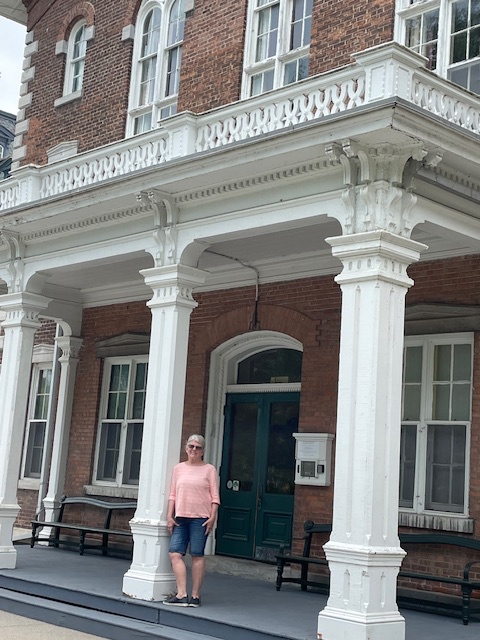
Mansion House
Last summer, on our return from a camping trip to the Finger Lakes, we took a few detours to explore historic sites along the way. Upstate New York was the heart of the Religious Awakening in the years before the Civil War, and it is dotted with places where people gathered in search of a […]
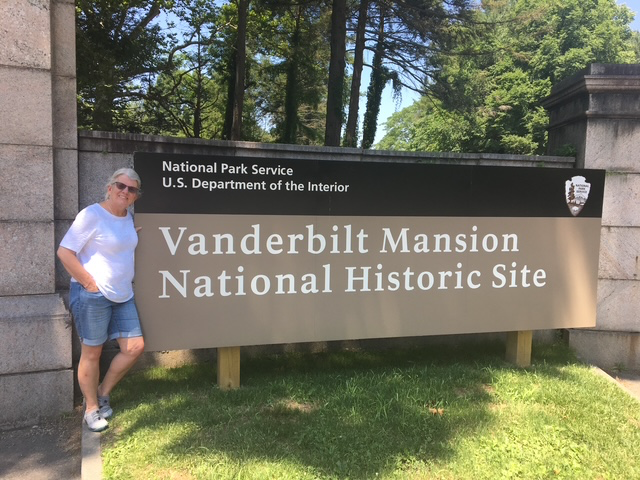
Vanderbilt Mansion National Historic Site
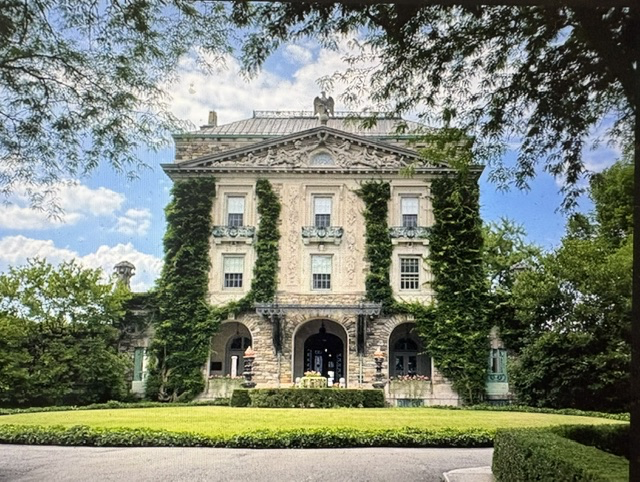
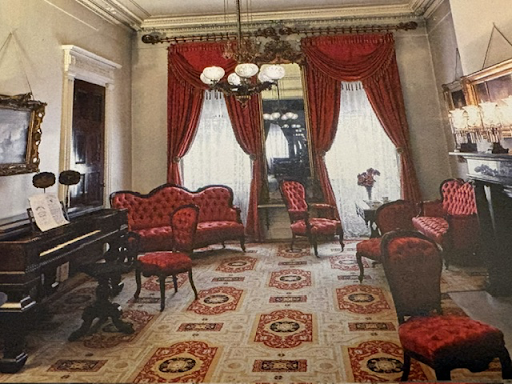
While traveling through the Hudson River Valley, we made our way to Hyde Park to visit the Vanderbilt Mansion National Historic Site. Set above the Hudson River, the estate presents a sense of scale. This was the country home of Frederick William Vanderfilt, a member of one of the most influential families of the Gilded Age. […]
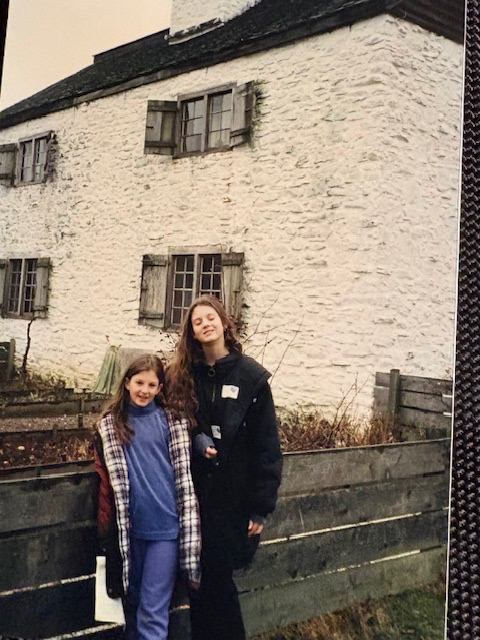
Dutch Farmhouse
During our homeschooling years, many of our lessons took place on the road. We would explore historic houses throughout New England and the Hudson River Valley, giving the girls a chance to step inside the past rather than just read about it. Traveling through this part of New York also reminded us that the region has […]

