World War II Air Raid Siren
While visiting the Needham History Center and Museum, one artifact caught my attention. Standing quietly in the corner was a World War II air raid siren that once occupied the steeple of the First Baptist Church on Great Plain Avenue. It is not a large or ornate object, yet it represents a time when communities across America prepared for a threat they hoped would never arrive.
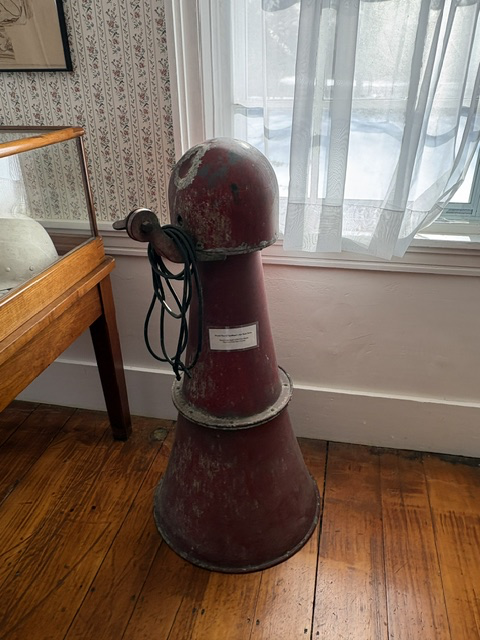
During World War II, civil defense became part of everyday life. Following the attack on Pearl Harbor in December 1941, Americans recognized that the nation was no longer insulated from war. Although enemy aircraft never reached New England, towns like Needham developed emergency plans, organized volunteer civil defense groups, conducted blackout drills, and installed air raid warning systems. This siren was one of those warning devices.
Mounted high in the church steeple, its powerful sound could be heard throughout the community. Had an enemy aircraft been detected or another emergency occurred, the siren would have alerted residents to seek shelter and follow civil defense instructions. Fortunately, the alarm was never needed for an actual air raid. Instead, it became part of the town’s preparedness, reminding residents that the war being fought thousands of miles away still touched their daily lives.
Today, this weathered siren no longer sounds an alarm. Instead, it tells a story. It reminds us that World War II was not experienced only on distant battlefields. It was also lived in towns like Needham, where ordinary citizens volunteered, rationed supplies, planted victory gardens, participated in blackout drills, and prepared for dangers they prayed would never come.
Museums are filled with ordinary objects that become extraordinary once we understand the stories they carry. Sometimes the smallest artifacts preserve some of the most powerful memories of a community’s past.
Read More From Nancy
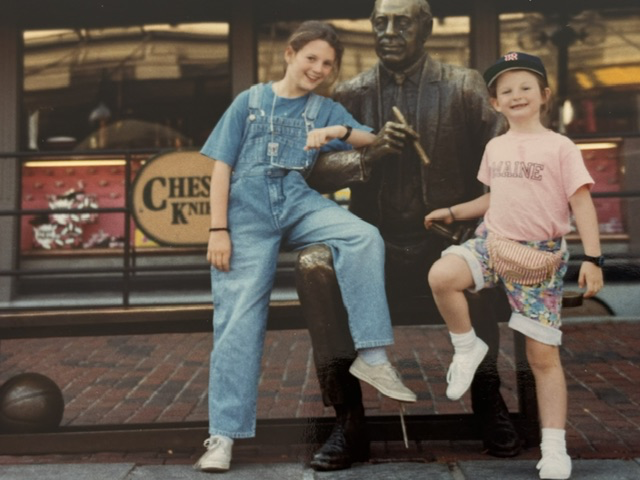
Red Auerbach
This bronze statue honors Arnold “Red” Auerbach, the coach and executive who helped establish the Boston Celtics as one of the most successful franchises in professional sports. Auerbach coached the Celtics from 1950 through 1966, leading the team to nine NBA championships, including an unprecedented eight consecutive titles from 1959 through 1966. Auerbach’s influence extended […]
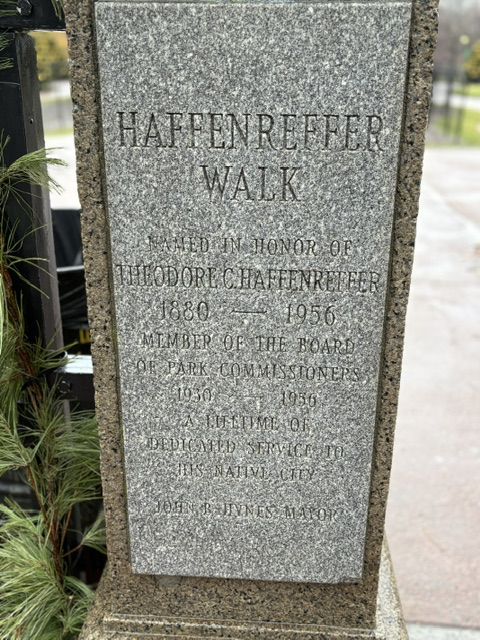
Haffenreffer Walk
While walking through the Boston Public Garden, I noticed this granite marker identifying Haffenreffer Walk. The inscription says that the walkway was named for Theodore Haffenreffer, 1880–1956, who served on Boston’s Board of Park Commissioners from 1930 until his death in 1956—a remarkably long period of service to the city’s parks. Haffenreffer was also part […]
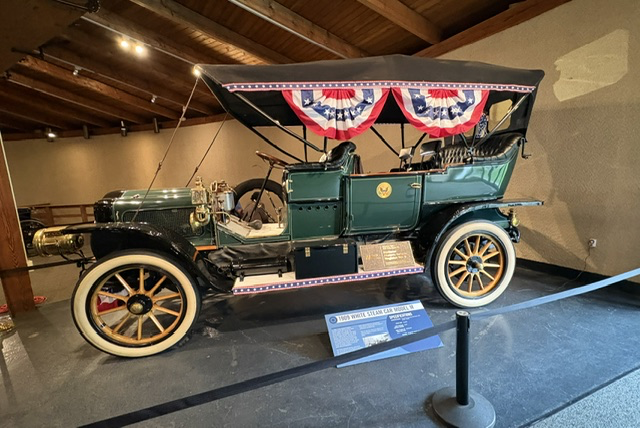
President Taft’s White Steam Car
One of the exhibits I most enjoyed at the Heritage Museums & Gardens in Sandwich was its impressive collection of antique automobiles. While every vehicle tells part of the story of America’s transportation history, this 1909 White Steam Car Model M immediately caught my attention because of its connection to the presidency. I have always […]

