Fort Beauséjour
On our travels through the Maritime provinces, we stopped at Fort Beauséjour National Historic Site near Aulac, New Brunswick. Today the landscape is remarkably quiet with broad grassy earthworks overlooking the surrounding countryside with a small stone museum building nearby. Yet this peaceful ridge was once at the center of the struggle between France and Great Britain for control of North America and became closely connected with one of the most tragic chapters in Acadian history.
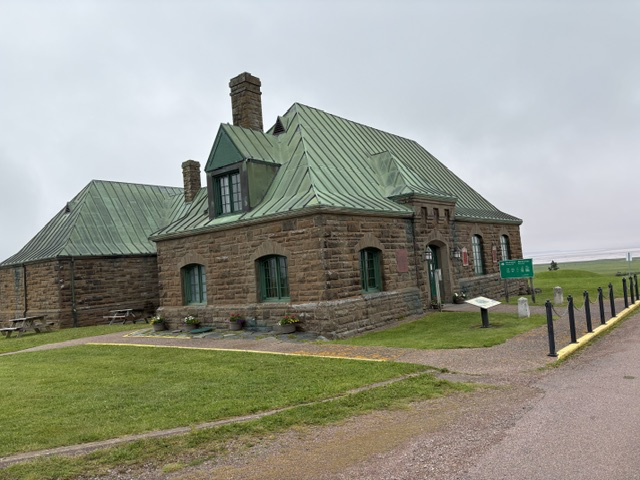
Long before there was a fort here, this was part of Beaubassin, an important Acadian settlement region on the Isthmus of Chignecto. Acadian families began settling the area in the 1670s, building dikes to reclaim fertile marshland for agriculture. By the early 1750s, roughly 3,000 Acadians were living in the broader region, including many who had moved there as tensions with the British increased elsewhere in Nova Scotia.
The location became strategically important because the Treaty of Utrecht in 1713 had transferred Acadia to Great Britain without clearly defining its boundaries. Both France and Britain consequently claimed this region. In 1750, the British constructed Fort Lawrence on one side of the Missaguash River. The French responded by beginning construction of Fort Beauséjour on the opposite ridge in 1751. Two European empires were now literally facing one another across a narrow stretch of contested territory.
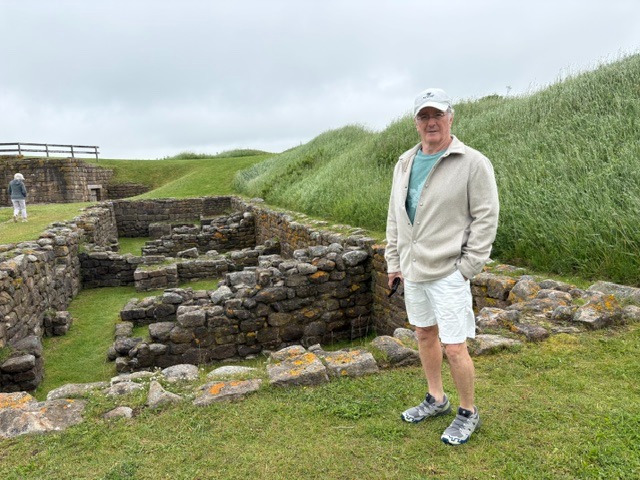
Fort Beauséjour was a five-sided earthwork fort with bastions, barracks, officers’ quarters, casemates and a powder magazine. About 150 French regular soldiers were normally stationed here. Their daily lives were considerably less romantic than the surviving fortifications might suggest: maintaining ditches and earthworks, gathering firewood, enduring mosquitoes during the summer and bitter cold during the winter.
Everything changed in June 1755. Lieutenant-Colonel Robert Monckton arrived with approximately 270 British regulars and about 2,000 New England troops. After several days of fighting and bombardment, the French commander surrendered Fort Beauséjour on June 16. The British raised their flag over the fort and renamed it Fort Cumberland.
The British had long been concerned about the Acadians, who generally attempted to remain neutral in the conflict between Britain and France and resisted taking an unconditional oath of allegiance to the British Crown. Following the capture of Fort Beauséjour, events moved rapidly. On July 28, 1755, the council in Halifax ordered the deportation of the Acadians. The first announcements and roundups occurred here at Fort Cumberland in August.
Families were separated from homes and communities that in some cases had existed for generations. About 1,100 people from the Beauséjour region were deported, while approximately 2,000 others fled toward Île Saint-Jean, Canada or the Miramichi region. Across Acadia, thousands would eventually be forced from their homeland during what became known as the Great Upheaval, or Le Grand Dérangement.
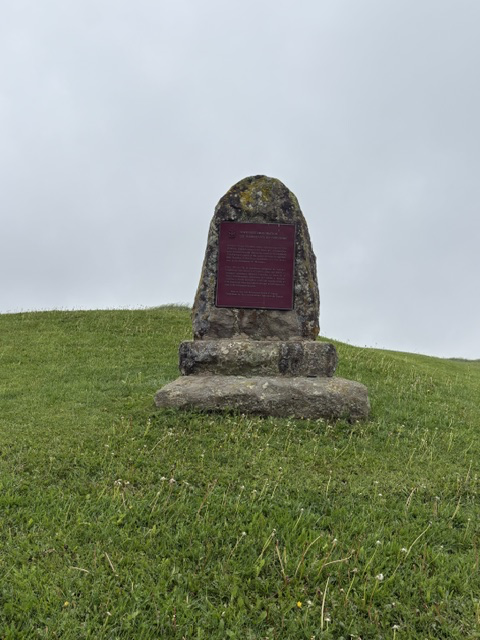
The story of the fort did not end in 1755. During the American Revolution, rebels and American sympathizers attacked Fort Cumberland in 1776, hoping to bring Nova Scotia into the rebellion against Britain. The British garrison successfully defended the fort. Parks Canada notes that had the attack succeeded, the political future of Nova Scotia—and perhaps its relationship with the thirteen colonies—might have been very different.
Fort Beauséjour is not simply the remains of an old military post. It is a place where French and British ambitions collided, where Acadian families became caught between two empires, and where the events leading to their forced removal began to unfold.
Read More From Nancy
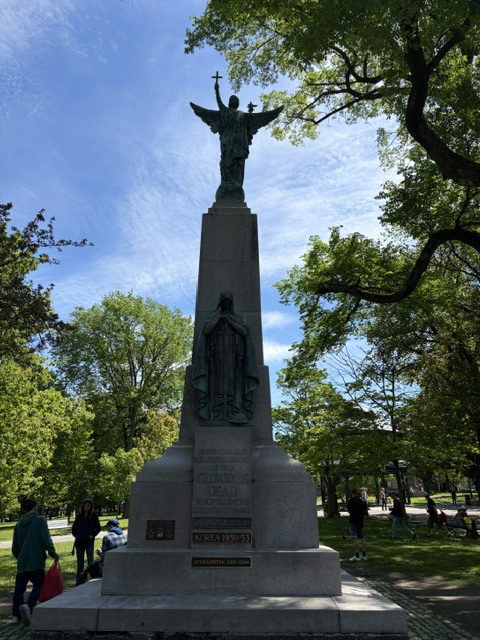
Saint John War Memorial
Standing among the trees of King’s Square, the Saint John War Memorial honors the men and women of the city who served and died in military conflicts. The monument was originally created to remember those lost during the First World War, but later inscriptions expanded its meaning to include the Second World War, the Korean […]
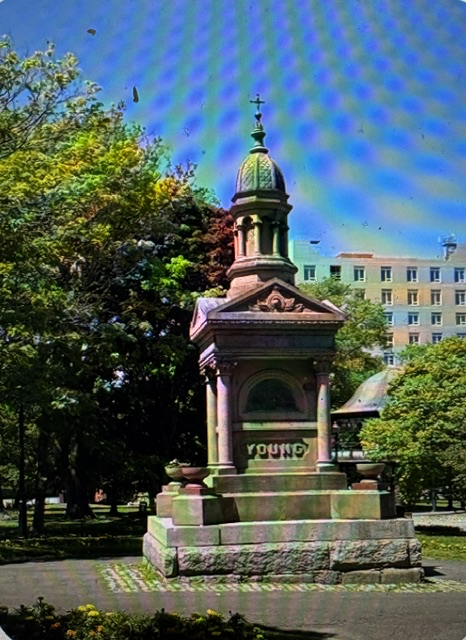
Young Memorial
The Young Memorial in King’s Square remembers an ordinary young man whose final act became part of Saint John’s civic history. John Frederick Young was only nineteen years old when he drowned in Courtenay Bay in 1890 while attempting to rescue ten-year-old Frederick E. “Freddie” Mundee. Young was a factory worker who had come to […]
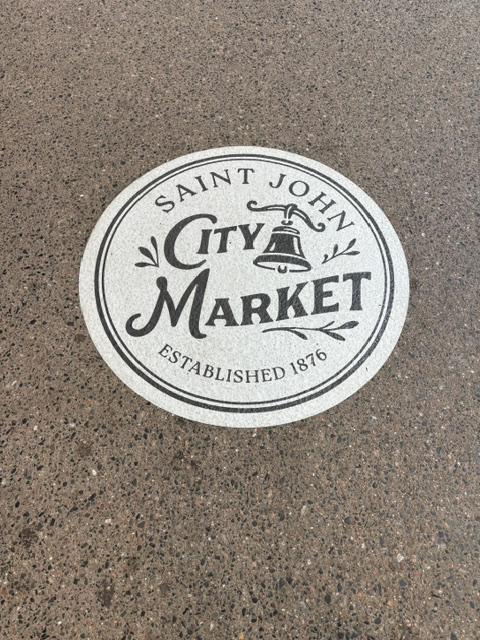
Inside the Saint John City Market
While visiting Saint John, we stopped at the City Market for lunch. What began as a place to find something to eat also allowed us to participate in a tradition that reaches back to the city’s founding. Saint John’s 1785 royal charter authorized the operation of public markets, and vendors have gathered inside the present […]

