Alma
Located where the Upper Salmon River meets the Bay of Fundy, Alma is a small coastal community shaped by forests, fishing, and the sea. Originally known as Salmon River Settlement, it grew during the nineteenth century around lumbering, sawmills, and wooden shipbuilding. Its river provided a route for logs from the surrounding forests, while its waterfront offered access to shipping markets beyond New Brunswick.
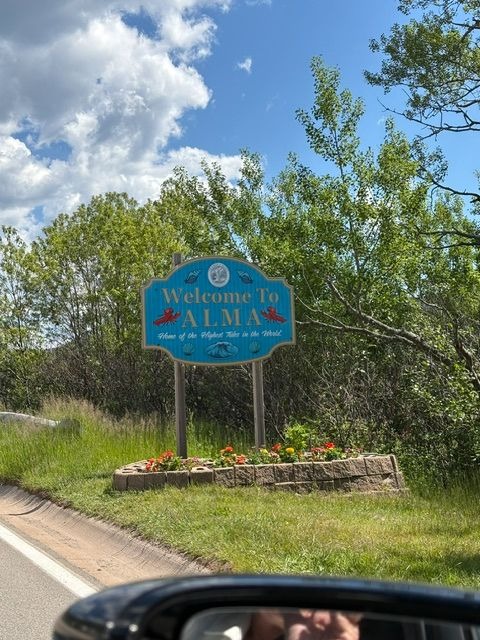
These industries supported one another. Timber supplied the local mills and shipyards, and vessels carried lumber to markets in Britain, the Caribbean, and New England. Farming helped sustain households, while fishing provided both food and trade. The community adopted the name Alma in 1856, when the surrounding parish was established and named in recognition of the Battle of Alma during the Crimean War.
Although the lumbering and wooden shipbuilding industries eventually declined, fishing remained central to Alma’s identity. Lobster and scallop fisheries continue that maritime tradition. The harbour operates according to the tides: boats can enter or depart only when the water is sufficiently high, and at low tide the exposed harbour floor dramatically changes the waterfront’s appearance.
Alma’s location beside Fundy National Park also made it a gateway for visitors exploring the region. Tourism joined fishing as an important source of employment, supporting restaurants, accommodations, and local shops. The community’s appeal rests partly in this combination of a working harbour and a place that welcomes travelers. Its waterfront remains connected to the livelihoods that shaped Alma, even as visitors arrive to experience its coastal setting.
Read More From Nancy
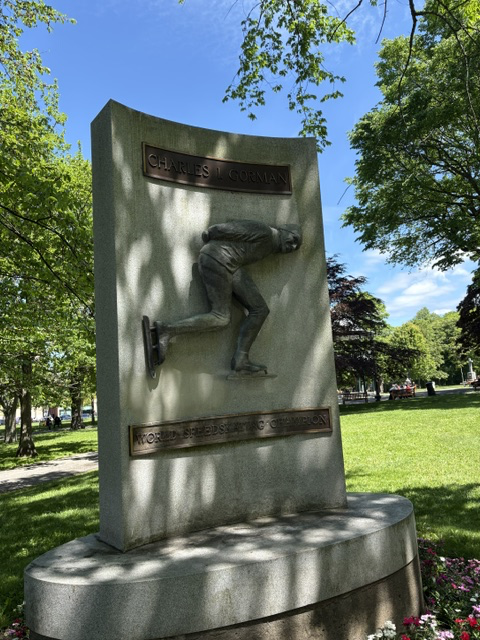
Charles Gorman Memorial
The figure on this monument is not shown standing triumphantly on a podium. Instead, Charles Gorman is captured at the beginning of a race with his body bent forward, one skate braced behind him, and every muscle prepared for the explosive first stride that made him one of the fastest skaters of his generation. Born […]
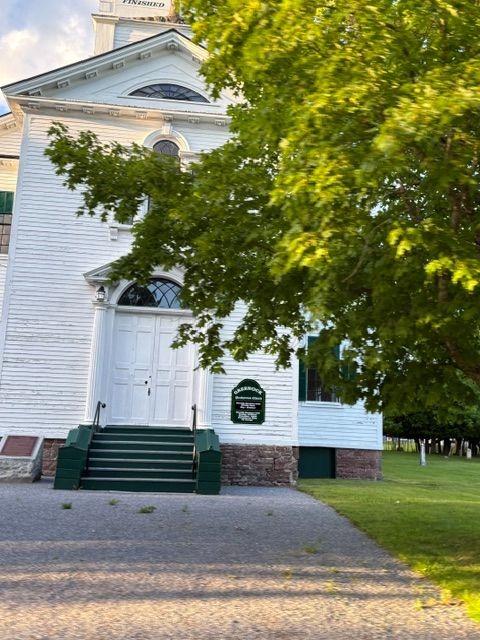
Greenock Presbyterian Church
On Montague Street in St. Andrews, Greenock Presbyterian Church preserves a connection between the town’s early religious life and its Scottish heritage. Built between 1821 and 1824 by local builder Donald D. Morrison, the wooden church combines the straightforward form of an American meetinghouse with the classical details of British Palladian architecture. Its entrance, arched […]
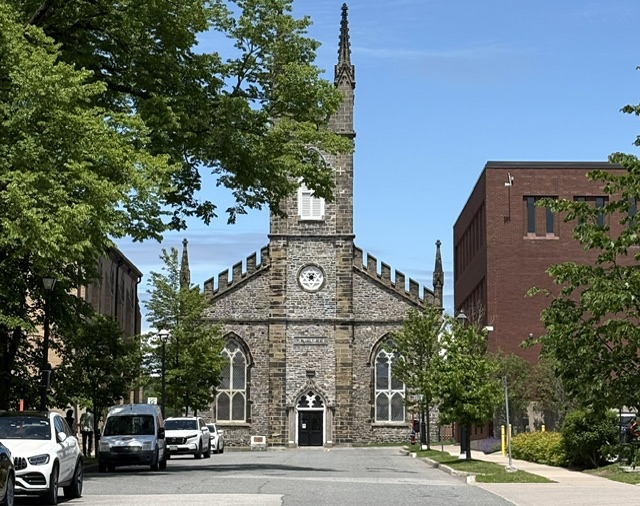
The Stone Church
At the end of Wellington Row, the narrow spire of St. John’s Anglican Church rises above one of Saint John’s oldest surviving places of worship. Commonly called the Stone Church, it has stood on Carleton Street for two centuries, witnessing the city’s growth, its devastating fires, and the many changes that have reshaped the surrounding […]

