John Hay’s Estate
Marty and I will often head out for a day simply to explore a new town, an old house, or a place we have never visited before. One of those trips into New Hampshire led us to The Fells, the beautiful summer estate of John Hay overlooking Lake Sunapee in Newbury.
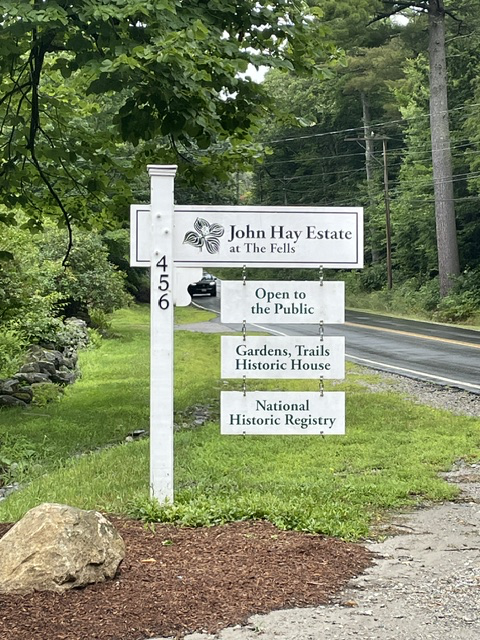
John Milton Hay had an extraordinary career that placed him close to some of the most important events in American history. As a young man, he served as one of Abraham Lincoln’s private secretaries during the Civil War and lived in the White House during Lincoln’s presidency. He later became a diplomat and eventually served as Secretary of State under Presidents William McKinley and Theodore Roosevelt.
In 1888, Hay began purchasing old farms along the eastern shore of Lake Sunapee, eventually assembling nearly 1,000 acres. He and his wife, Clara, wanted a place where they could retreat from the demands of public life. Hay called the property “The Fells,” a name reflecting his family’s Scottish ancestry and referring to rocky upland pasture.
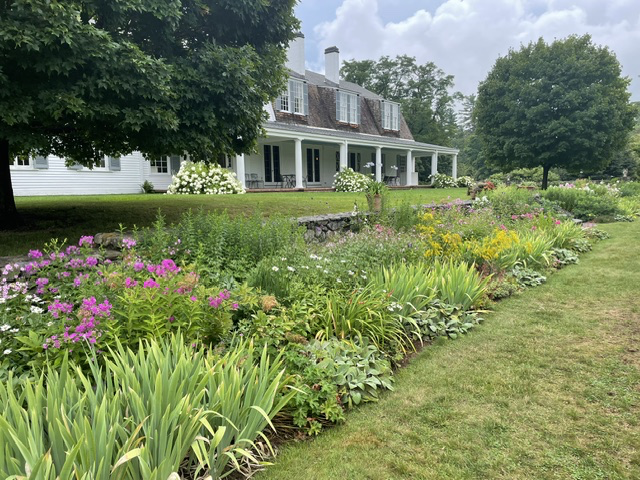
The original summer house was designed by architect George F. Hammond and completed in 1892. After Hay’s death at The Fells in 1905, his son Clarence and daughter-in-law Alice transformed the relatively rustic summer property into the gracious country estate we see today. The house eventually became a 22-room Colonial Revival residence surrounded by formal gardens, terraces, woodlands and meadows.
There is an interesting presidential connection here as well. Theodore Roosevelt visited The Fells in 1902 while Hay was serving as his Secretary of State. Hay’s work during these years placed him at the center of American foreign policy, including the Open-Door Policy concerning China and negotiations connected with the Panama Canal.
But what I particularly enjoyed about our visit was the estate itself. We wandered through the gardens surrounding the house, with their long perennial borders, stone walls and carefully planned plantings. The property also includes woodland trails leading through the landscape toward Lake Sunapee. Three generations of the Hay family shaped The Fells, leaving behind not only the house but a legacy of horticulture, conservation and an appreciation for the natural world.
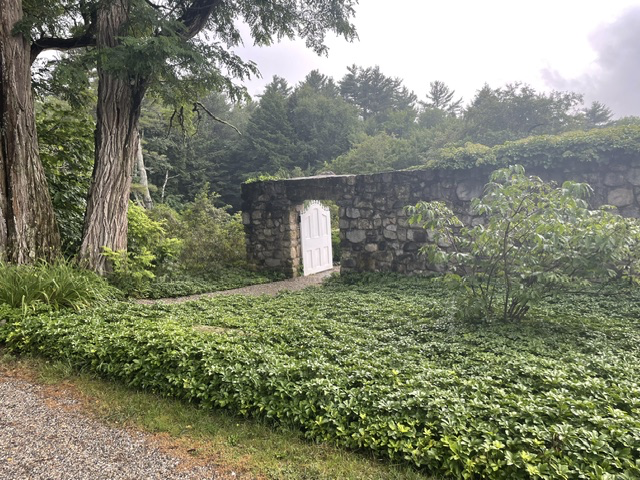
The preservation of the landscape became part of the family’s legacy. In 1960, the Hay family donated 675 acres to the Society for the Protection of New Hampshire Forests. Additional property later became part of the John Hay National Wildlife Refuge, helping protect the Lake Sunapee shoreline and surrounding natural environment.
What began for Marty and me as another day exploring New Hampshire introduced us to a house connected to Abraham Lincoln, Theodore Roosevelt and an important American statesman. But it was also simply a lovely place to wander with the historic house, colorful gardens, old stone walls and wooded landscape making it easy to understand why John Hay chose this quiet corner of Lake Sunapee as his retreat from Washington.
Read More From Nancy
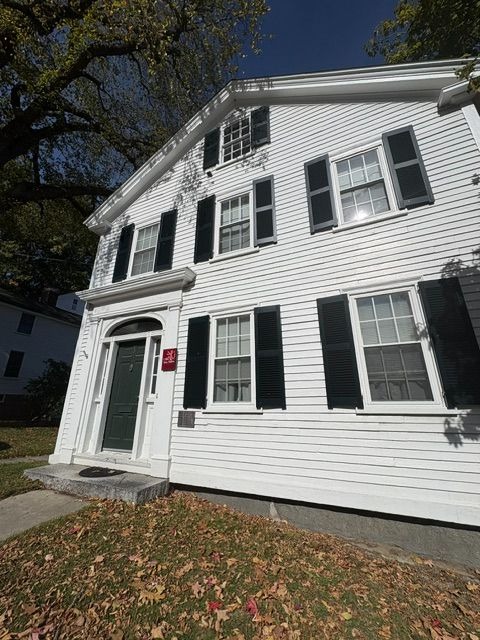
Lewis Cass House
A plaque commemorating Lewis Cass connects this Exeter house with a statesman whose career reached across the expanding United States. Born in Exeter on October 9, 1782, Cass attended Phillips Exeter Academy before leaving New England. He became a territorial governor, cabinet secretary, diplomat, senator, and presidential candidate. Cass established a legal career in Ohio […]
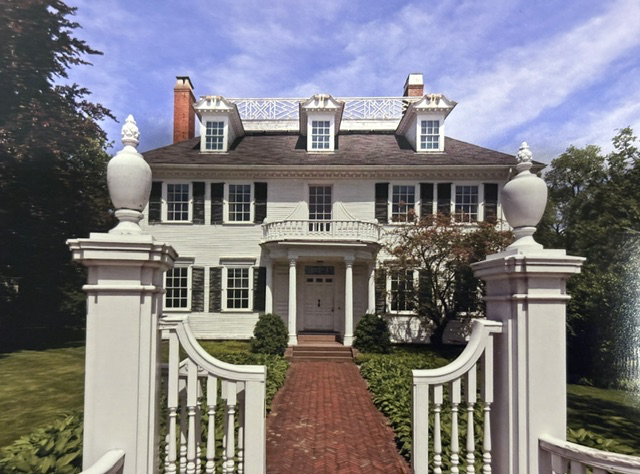
Governor John Langson House
The Governor John Langdon House in Portsmouth, New Hampshire is one of the finest surviving examples of Georgian architecture in New England and a powerful reminder of the city’s importance during the early years of the American republic. Built in 1784, this elegant mansion was the home of John Langdon, a merchant, shipbuilder, Revolutionary War leader, […]
Folsom Tavern
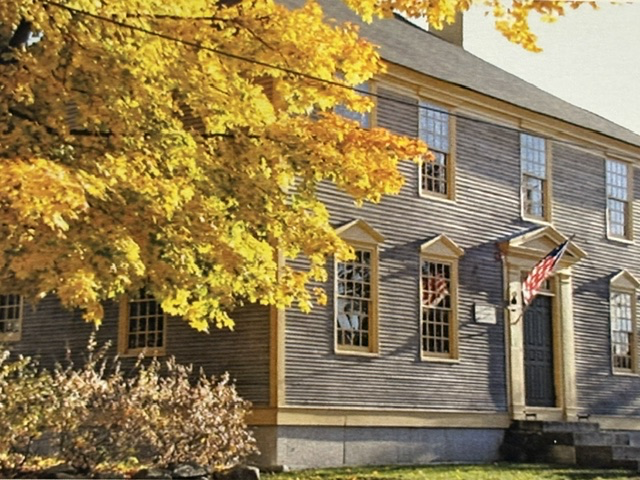
One of the things I enjoy discovering is that many of the most important homes in American history were also places of business. The Folsom Tavern in Exeter is one of those places. Built around 1775 as the home of Colonel Samuel Folsom and his family, it also served as the community’s tavern, where travelers […]

