Lewis Cass House
A plaque commemorating Lewis Cass connects this Exeter house with a statesman whose career reached across the expanding United States. Born in Exeter on October 9, 1782, Cass attended Phillips Exeter Academy before leaving New England. He became a territorial governor, cabinet secretary, diplomat, senator, and presidential candidate.
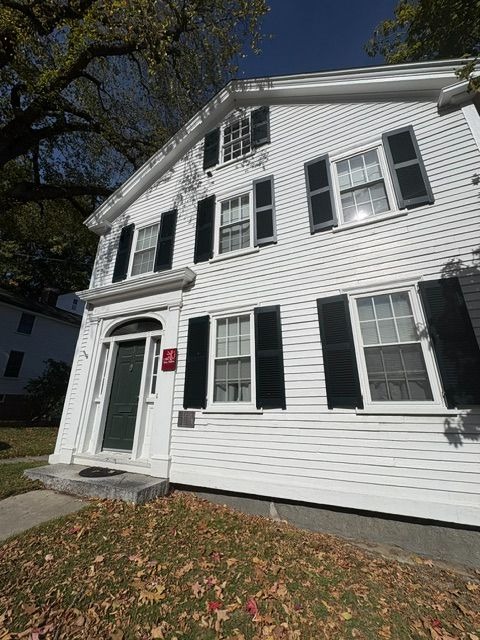
Cass established a legal career in Ohio and entered public service there. After military service during the War of 1812, he became governor of Michigan Territory in 1813, remaining in office until 1831. President Andrew Jackson then appointed him secretary of war, placing him at the center of federal military affairs and relations with Native nations.
His service also connected him with the government’s policy of Indigenous removal. An 1831 letter preserved by the National Archives documents his involvement in efforts to remove Cherokee people from Georgia. This part of his record places his career within the dispossession that accompanied American territorial expansion.
As a senator from Michigan, Cass became a leading advocate of “popular sovereignty,” the proposal that settlers in a territory should determine whether slavery would be permitted there. The policy offered a political formula for handling sectional conflict while leaving the rights of enslaved people subject to others’ decisions. In 1848, he became the Democratic presidential nominee but lost the election.
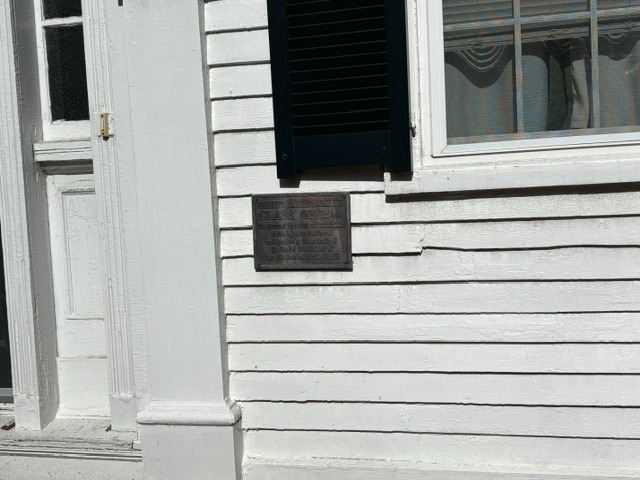
Cass later served as secretary of state under President James Buchanan from 1857 until December 1860. His long public career ended as the country approached secession and civil war. He died in Detroit in 1866.
The Exeter marker recalls the beginnings of a consequential and complicated life. Cass’s story links the town with national leadership, diplomacy, and westward growth, while also revealing the conflicts over slavery and Indigenous sovereignty that shaped nineteenth-century America.
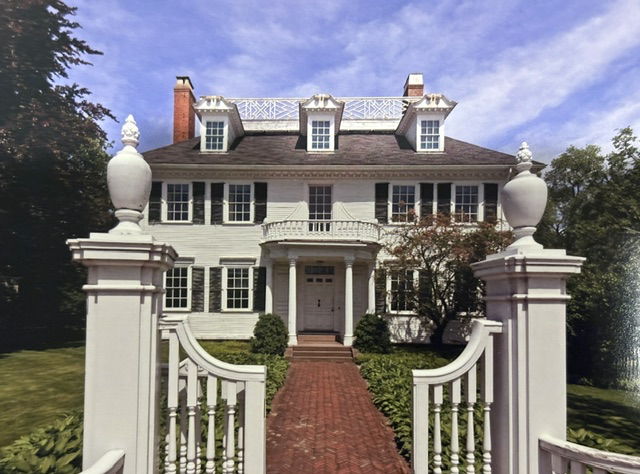
Read More From Nancy
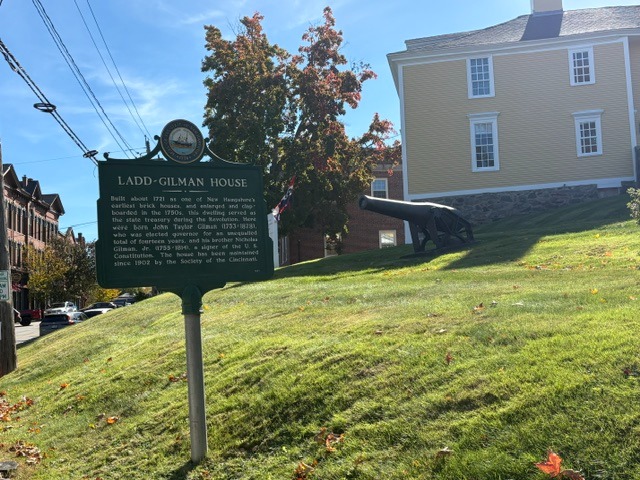
Ladd-Gilman House
Standing on a rise above the Squamscott River, the Ladd-Gilman House brings together the history of an Exeter family and the formation of a new state government. Behind its yellow clapboards is an early brick dwelling built around 1721 by Nathaniel Ladd. Daniel Gilman, a prominent Exeter merchant, purchased the property in 1747, beginning the […]
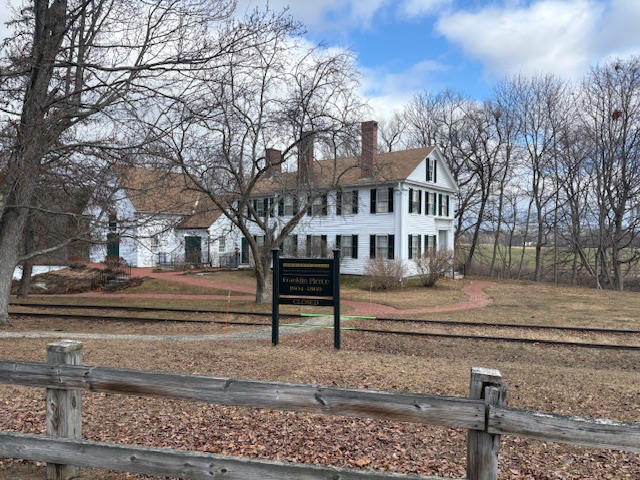
Pierce Manse
The Pierce Manse, in Concord, NH, is the home most closely associated with Franklin Pierce during his adult life. Built in 1838, this was the house Pierce returned to after his years in Washington. It was here that he lived before, during, and after his presidency, a place that remained constant through both his rise and the challenges […]
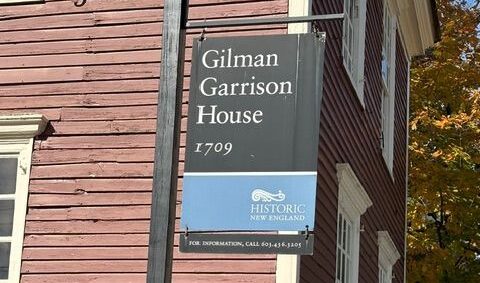
Gilman Garrison House
Built in 1709 near the Squamscott River, the Gilman Garrison House preserves an unusual combination of fortified construction, Georgian domestic rooms, and later commercial uses. Its history connects Exeter’s early water-powered economy with generations of residents who adapted the building to support their livelihoods. The Gilman family owned profitable sawmills along the river. Their fortified […]

