Robert Frost Homestead
By the time Robert Frost arrived in Derry, New Hampshire, in the fall of 1900, he was thirty-six years old, married to his college sweetheart Elinor, and searching for a life that would allow him to write while providing for his growing family. His grandfather purchased this thirty-acre farm, believing that the rhythm of farming would offer both financial stability and the freedom to pursue poetry.
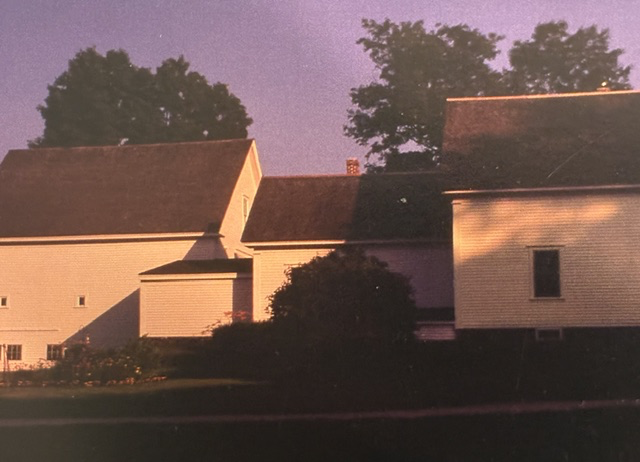
Life here was anything but easy. Frost rose before dawn to write, then spent his days tending chickens, orchards, hay fields, and stone walls. Although he never considered himself a particularly successful farmer, the land became his greatest teacher. The changing seasons, the neighboring farms, the woods, and the quiet routines of rural New England all found their way into his poetry. During the eleven years the Frost family lived here, Robert developed the voice that would eventually make him one of America’s greatest poets. Much of A Boy’s Will and North of Boston had its beginnings on this farm, while poems such as Mending Wall were inspired by the annual ritual of repairing the stone wall with his neighbor. Frost later remarked that there was “something about the experience at Derry” that continued to nourish his poetry for the rest of his life.
The Derry years also brought profound joy and heartbreaking sorrow. Shortly after the family arrived, their four-year-old son Elliott died, a devastating loss that remained with Robert and Elinor throughout their lives. Their remaining children were educated at home, with Elinor teaching the traditional subjects while Robert introduced them to botany, astronomy, and a love of the natural world that surrounded them.
One of the things that has struck me while visiting Robert Frost’s homes is how often he moved. Each place reflects a different chapter of his life, yet it was here in Derry that his identity as a poet truly took root. The moves were not signs of restlessness so much as a continuing search for opportunity, for inspiration, and for a place where family, work, and creativity could somehow coexist.
Long before he won four Pulitzer Prizes or became America’s best-known poet, he was simply a husband, father, farmer, and dreamer trying to make a living while giving voice to the New England landscape he loved. In many ways, this quiet homestead is where Robert Frost truly found his voice.
Today, the Robert Frost Homestead is preserved as a New Hampshire State Historic Site and was designated a National Historic Landmark in 1968, ensuring that the farm where Frost’s poetic vision first flourished will continue to inspire future generations.
Read More From Nancy
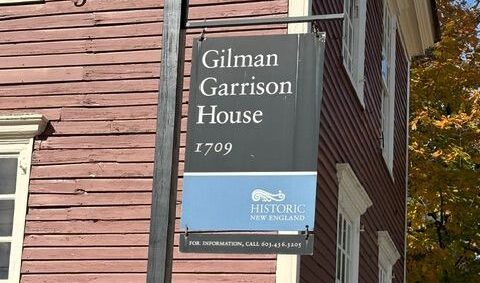
Gilman Garrison House
Built in 1709 near the Squamscott River, the Gilman Garrison House preserves an unusual combination of fortified construction, Georgian domestic rooms, and later commercial uses. Its history connects Exeter’s early water-powered economy with generations of residents who adapted the building to support their livelihoods. The Gilman family owned profitable sawmills along the river. Their fortified […]
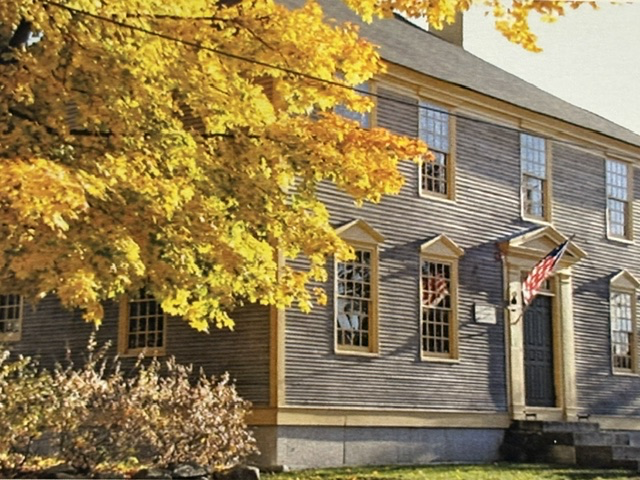
Folsom Tavern
One of the things I enjoy discovering is that many of the most important homes in American history were also places of business. The Folsom Tavern in Exeter is one of those places. Built around 1775 as the home of Colonel Samuel Folsom and his family, it also served as the community’s tavern, where travelers […]
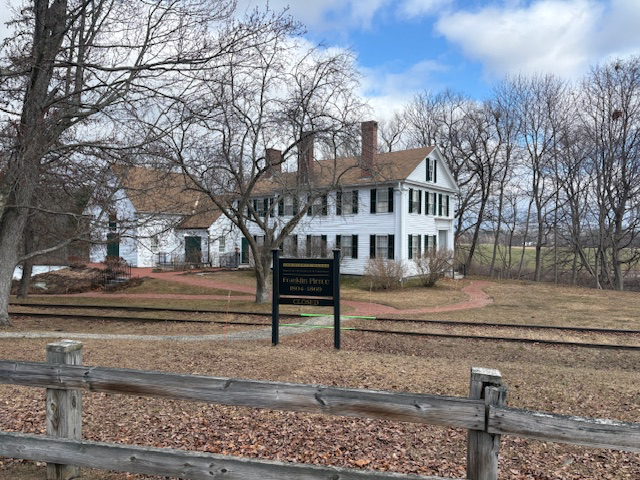
Pierce Manse
The Pierce Manse, in Concord, NH, is the home most closely associated with Franklin Pierce during his adult life. Built in 1838, this was the house Pierce returned to after his years in Washington. It was here that he lived before, during, and after his presidency, a place that remained constant through both his rise and the challenges […]

