The Speicherstadt
When I first stood on this bridge, my eyes were drawn down the long, quiet canal framed by rows of towering brick buildings. The water was perfectly still, reflecting the warehouses that seemed to stretch endlessly into the distance. Even on a misty day, there was something captivating about the scene. It felt less like standing in the middle of a modern city and more like stepping back into the great age of international trade.
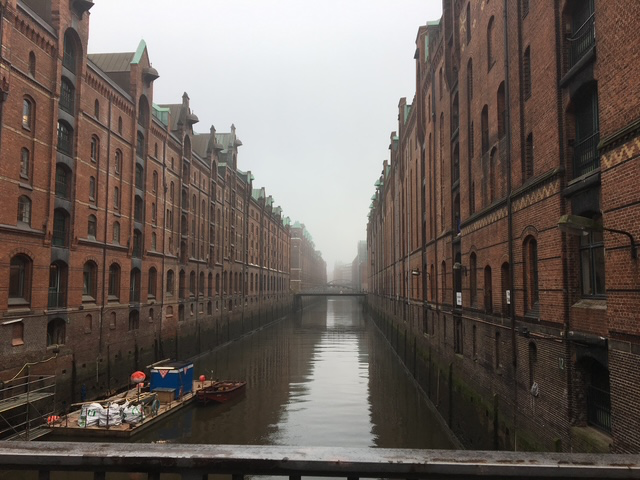
This is the Speicherstadt, the “Warehouse City” of Hamburg. Constructed between 1883 and the late 1920s, it is the largest historic warehouse district in the world. Built on thousands of oak pilings driven deep into the marshy ground along the River Elbe, the district was created as part of Hamburg’s free port, allowing goods from around the world to be stored, sorted, and traded before customs duties were paid. In 2015, UNESCO recognized the Speicherstadt as a World Heritage Site because of its remarkable architecture and its importance in the history of global commerce.
The buildings themselves are as impressive as the history they represent. Rising six and seven stories above the canals, the warehouses were constructed of deep red brick in the Neo-Gothic style, with pointed gables, arched windows, decorative brickwork, and copper roofs. Their beauty, however, was matched by their practicality. Barges once traveled through these narrow waterways delivering coffee, tea, cocoa, spices, tobacco, silk, and carpets directly to the warehouses. Goods were lifted through large openings in the upper floors by hoists mounted beneath the roof peaks, allowing merchandise to be stored efficiently on every level.
It is difficult to imagine the activity that once filled these canals. Instead of the quiet water seen in this photograph, there would have been barges moving from warehouse to warehouse, workers loading and unloading cargo, and merchants inspecting products that had arrived from every corner of the world. Hamburg grew into one of Europe’s greatest ports because of places like this, where commerce depended as much on engineering and organization as it did on ships crossing the oceans.
Today, the warehouses continue to define Hamburg’s identity, reminding visitors that commerce, craftsmanship, and thoughtful design can come together to create something that is both practical and beautiful.
Read More

Read More From Nancy

The Holstentor
While traveling through northern Germany, Marty and I visited the historic city of Lübeck, where one building immediately captures every visitor’s attention: the Holstentor. With its twin towers, red brick construction, and distinctive silhouette, it has become the enduring symbol of the city. Construction of the Holstentor began in 1464 and was completed in 1478 […]
The Salt Storehouses
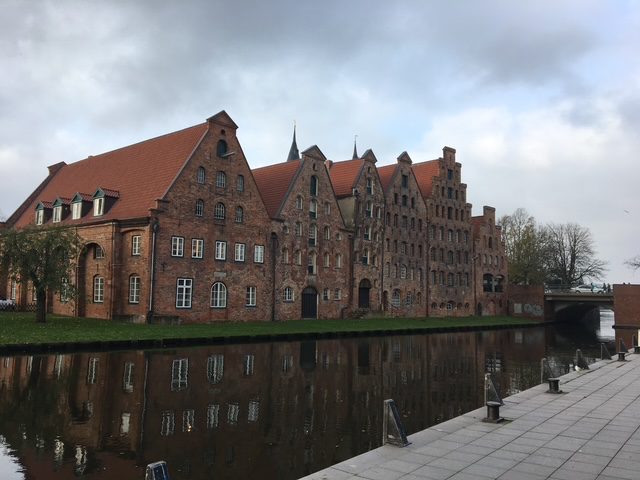
Standing along the Trave River near Lübeck’s Holsten Gate, the six buildings known as the Salzspeicher, or Salt Storehouses, preserve the story of a commodity that helped make this northern German city wealthy and powerful. Their rows of windows, steep red roofs, and distinctive stepped gables reflect in the water, creating one of Lübeck’s most […]
Behind the Wardrobe
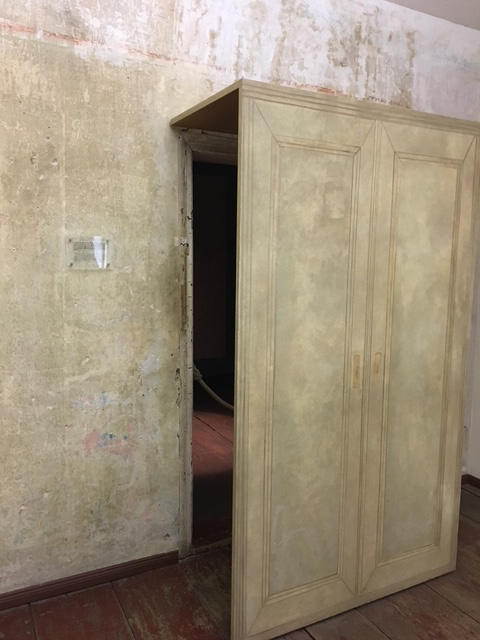
At first glance, the cabinet appears unremarkable. Yet during the Second World War, it concealed the entrance to a tiny, windowless room where the Horn family—Chaim, Machla, and their children Max and Ruth—hid for nine months in 1943. The wardrobe functioned as a secret door. Behind it was just enough space for a family to […]

