Chickamauga and Chattanooga National Military Park
Every national park tells a story, but Chickamauga and Chattanooga National Military Park occupy a unique place in the history of the National Park System. Established by Congress on August 19, 1890, and signed into law by President Benjamin Harrison, it became the first national military park in the United States. More than simply preserving land, Congress sought to preserve the history of one of the Civil War’s most important campaigns and to ensure that future generations could study and understand the events that unfolded there.
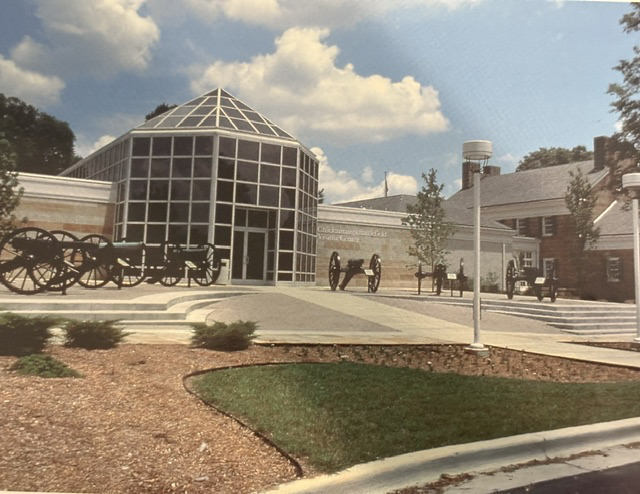
The creation of the park was driven largely by the efforts of Civil War veterans themselves. Just one year before the park was established, thousands of Union and Confederate veterans returned to the Chickamauga Battlefield for a reunion. Standing together on the very ground where they had once fought, they recognized that the battlefield should be permanently protected before it disappeared to development. Their vision was championed by General Henry Van Ness Boynton, who believed that preserving the battlefield exactly as it had existed during the fighting would create an outdoor classroom where military leaders, historians, and ordinary citizens could learn from the past.
The significance of this park extends far beyond being the first of its kind. The battles fought here changed the course of the Civil War and, ultimately, the future of the United States. The Battle of Chickamauga, fought in September 1863, was one of the bloodiest engagements of the war and the largest battle fought in the western theater. Although the Confederates won the battle, they were unable to destroy the Union Army, which retreated into Chattanooga. Just two months later, Union forces under General Ulysses S. Grant broke the Confederate siege during the Battles for Chattanooga. Victories at Lookout Mountain, Missionary Ridge, and Orchard Knob secured Chattanooga, one of the South’s most important railroad hubs, and opened the gateway to the Deep South.
Those victories made it possible for General William Tecumseh Sherman to launch the Atlanta Campaign the following year. The capture of Atlanta proved to be one of the defining moments of the Civil War, helping secure President Abraham Lincoln’s reelection and accelerating the eventual Union victory. Many historians consider the Chattanooga Campaign to be one of the true turning points of the war, making the preservation of these battlefields especially important.
When the park was created in 1890, the National Park Service did not yet exist. For more than forty years, Chickamauga and Chattanooga National Military Park were administered by the United States War Department. During those years, veterans from both armies worked together to identify troop positions, mark battle lines, and erect hundreds of monuments, tablets, and markers throughout the battlefield. Their collaboration transformed a former battlefield into one of the nation’s most accurate historical landscapes and became an early symbol of reconciliation between North and South.
In 1933, President Franklin D. Roosevelt transferred the nation’s military parks from the War Department to the National Park Service. Since then, the park has continued to preserve not only the battlefields of Chickamauga but also Lookout Mountain, Missionary Ridge, Orchard Knob, Signal Point, and other key sites associated with the Chattanooga Campaign. Together, these locations tell the story of the campaigns that helped preserve the Union and reshape the nation.
The visitor center at Fort Oglethorpe serves as the perfect introduction to the park. It houses exhibits that explain the campaigns, an excellent orientation film, and the renowned Fuller Collection of Civil War Military Shoulder Arms, one of the finest collections of Civil War firearms in the country. Before exploring the battlefields, visitors gain an appreciation for the soldiers, the military technology, and the decisions that shaped these historic events.
What I find especially meaningful about this park is that it represents the beginning of America’s commitment to preserving places of historical significance. Yellowstone had already demonstrated the importance of protecting extraordinary natural landscapes, but Chickamauga and Chattanooga became the first place where the nation recognized that the landscapes of history deserved the same protection. It established a model that would later lead to the preservation of Gettysburg, Antietam, Shiloh, Vicksburg, and many other battlefields across the country.
Read More From Nancy
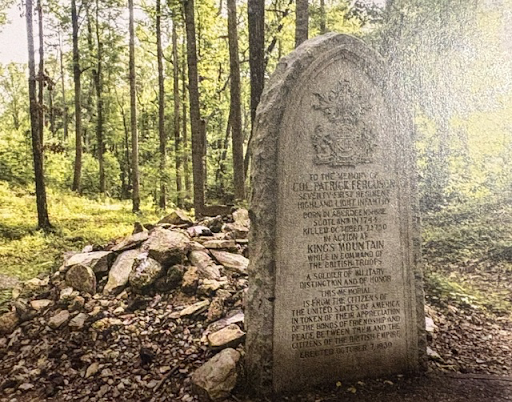
Kings Mountain National Military Park
Kings Mountain National Military Park in Blacksburg, South Carolina, commemorates one of the most decisive Patriot victories of the American Revolution. Established as a National Military Park in 1931, it preserves the site where, on October 7, 1780, frontier militia defeated a force of Loyalists under British Major Patrick Ferguson. The Battle of Kings Mountain marked […]
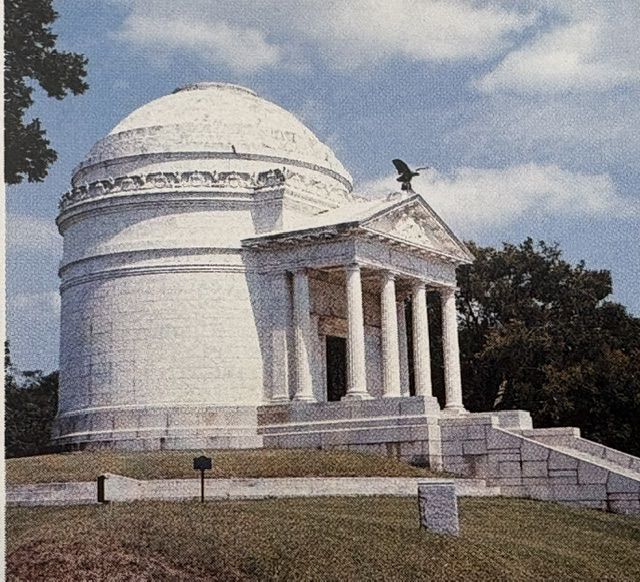
Vicksburg National Military Park
The campaign for Vicksburg was one of the most decisive military operations of the Civil War. Perched high above a bend in the Mississippi River, Vicksburg controlled movement along the nation’s most important waterway. Its formidable defenses earned it the name “Gibraltar of the Confederacy”. As long as the city remained in Confederate hands, the […]
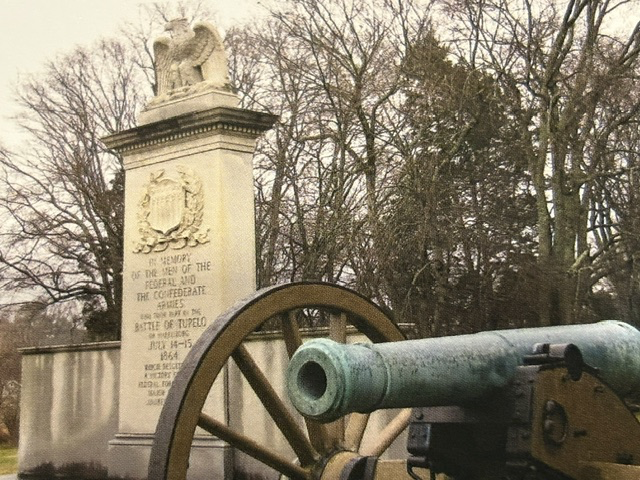
Tupelo National Battlefield
Tupelo National Battlefield in Tupelo, Mississippi, commemorates one of the lesser known but strategically important battles of the Civil War. Established as a unit of the National Park System in 1971, it preserves the story of the Battle of Tupelo, fought on July 14–15, 1864. While exploring Mississippi, we made a point of visiting this […]

