The Soldiers’ Huts – Valley Forge National Historical Park
Walking through the reconstructed encampment at Valley Forge offers a glimpse into the daily lives of the Continental soldiers who spent six difficult months here during the winter of 1777–1778. These humble log huts became their homes as they struggled against cold, hunger, disease, and uncertainty.
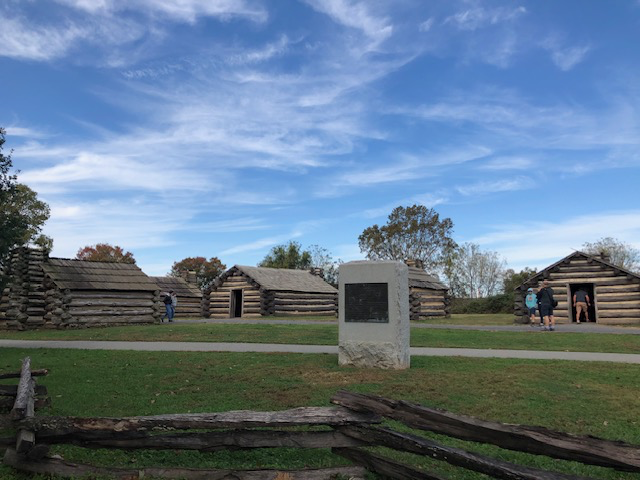
Each hut measured only about sixteen feet by fourteen feet and generally housed twelve enlisted soldiers. The walls were built from logs cut from nearby forests, with clay and mud packed between them to block the winter wind. A rough wooden door, a few small openings for light, a dirt floor, crude bunks, and a single stone fireplace completed the interior. Even with a fire burning, warmth was difficult to maintain during the bitter Pennsylvania winter.
Life inside was anything but comfortable. The soldiers often lacked blankets, warm clothing, shoes, and adequate food. Smoke from the fireplace lingered inside the cramped quarters, while dampness, overcrowding, and poor sanitation created ideal conditions for disease. Smallpox, influenza, typhus, dysentery, and pneumonia spread quickly through the camp. Nearly 2,000 soldiers died during the encampment from illness, exposure, and malnutrition.
The huts also became classrooms. During the encampment, Baron Friedrich von Steuben introduced a standardized system of military training that transformed the Continental Army. Day after day, the soldiers drilled, practiced formations, learned discipline, and developed confidence in one another. When they marched out of Valley Forge in June 1778, they were no longer simply a collection of state militias. They had become a disciplined fighting force capable of standing against the British Army.
Read More From Nancy
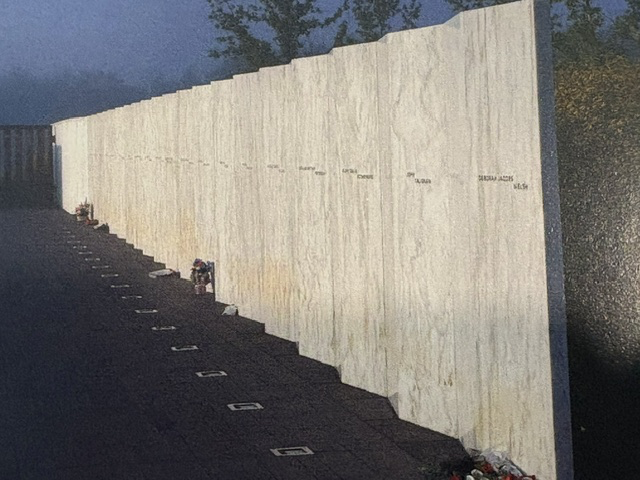
Flight 93 National Memorial
I visited the Flight 93 site when the memorial was still in its early stages. There was very little there compared with the national memorial that has since been created. In some ways, that sparseness made the experience even more poignant. There were few distractions from the landscape itself and from the events that had […]
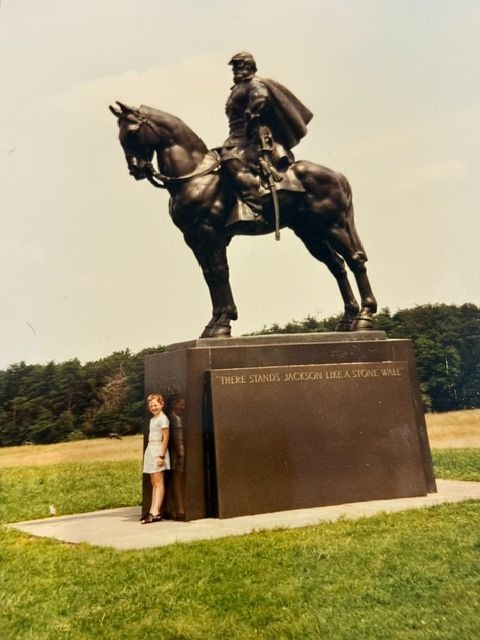
Manassas National Battlefield Park – Stonewall Jackson Monument
On Henry Hill at Manassas National Battlefield Park, a bronze horse and rider rise above a broad stone pedestal. The monument depicts Confederate General Thomas Jonathan Jackson and commemorates his role in the First Battle of Manassas, also known as the First Battle of Bull Run, fought on July 21, 1861. The inscription on the […]
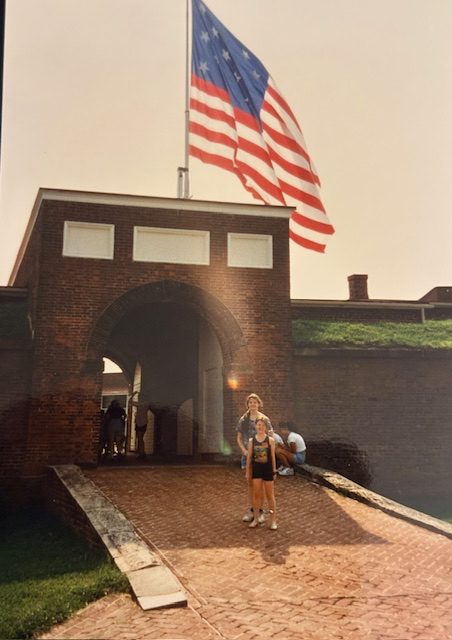
Fort McHenry National Historic Site
Fort McHenry was a quick stop on our travels south, but it is a place that carries a powerful place in our nation’s history. It is here that one of the most recognizable symbols of our country was born: The Star-Spangled Banner. During the Battle of Baltimore in September 1814, British forces launched a relentless bombardment […]

