Manassas National Battlefield Park – Stonewall Jackson Monument
On Henry Hill at Manassas National Battlefield Park, a bronze horse and rider rise above a broad stone pedestal. The monument depicts Confederate General Thomas Jonathan Jackson and commemorates his role in the First Battle of Manassas, also known as the First Battle of Bull Run, fought on July 21, 1861.
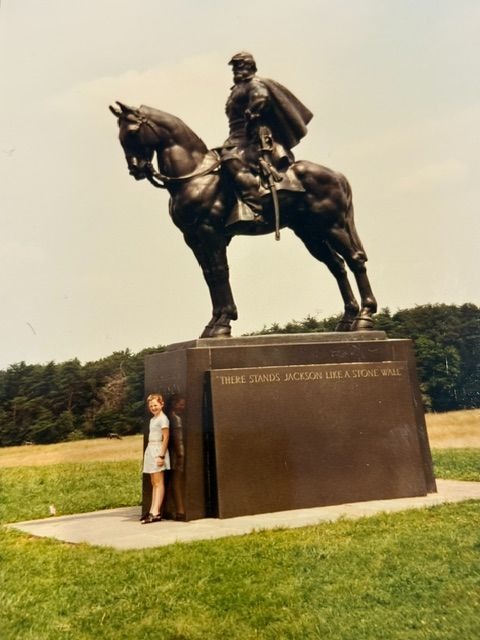
The inscription on the pedestal reads, “There stands Jackson like a stone wall.” These words recall a remark attributed to Confederate General Barnard Bee during the fighting on Henry Hill. Jackson’s position became a rallying point as Confederate troops struggled to hold the hill. The comparison gave Jackson the nickname “Stonewall” and his troops the name “Stonewall Brigade.”
The monument stands near the position historically associated with that episode. Created by sculptor Joseph Pollia, it presents Jackson upright in the saddle, with a cloak sweeping behind him and his horse planted firmly beneath him. The powerful forms of both figures give physical expression to the steadfastness suggested by the inscription.
Dedicated on August 31, 1940, the statue was erected almost eighty years after the battle. Manassas National Battlefield Park was established that same year to preserve the landscape of two major Civil War battles. The monument therefore belongs to two periods of history: the fighting it commemorates and the later effort to preserve and interpret the battlefield.
Its heroic treatment of a Confederate commander also reflects a choice about remembrance. The statue emphasizes Jackson’s military resolve. Understanding the site more fully requires looking beyond that portrayal to the armies, civilians, and larger conflict surrounding him, including the Confederacy’s defense of slavery.
The open ground around the monument helps connect its inscription with an actual place. Henry Hill was contested terrain where soldiers fought and died, and where decisions made during a single afternoon helped shape the battle’s outcome. The statue offers a starting point for learning about that history, while the preserved battlefield gives it a wider setting.
Read More From Nancy
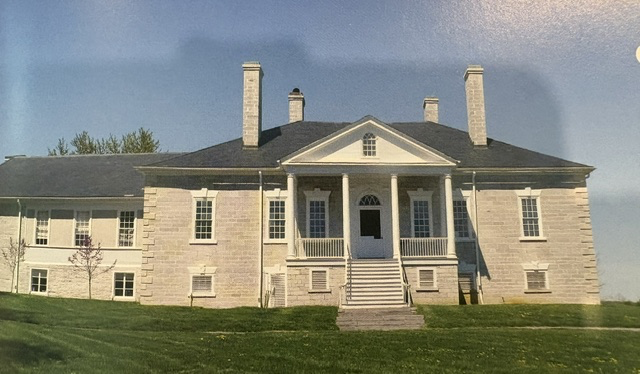
Cedar Creek and Belle Grove National Historical Park
Some places become historic because of a single event. Others become important because of where they are. Cedar Creek and Belle Grove National Historical Park in Virginia tells both stories. It preserves the site of one of the final major battles of the Civil War while also protecting one of the Shenandoah Valley’s finest historic […]
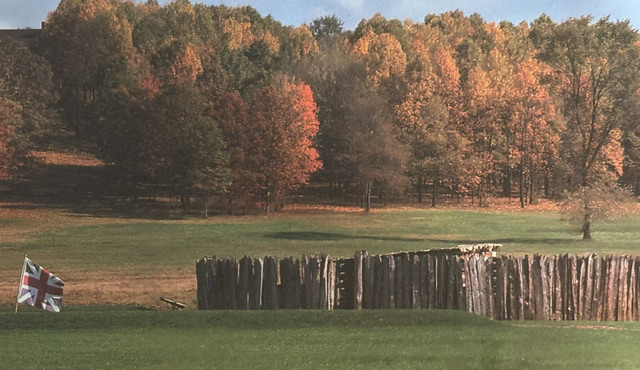
Fort Necessity National Battlefield
Fort Necessity National Battlefield in Farmington, Pennsylvania, preserves the site of the opening battle of the French and Indian War and marks the beginning of George Washington’s military career. Established as a National Battlefield Site in 1931, it commemorates an event that would ultimately set the stage for the larger conflict between Britain and France […]
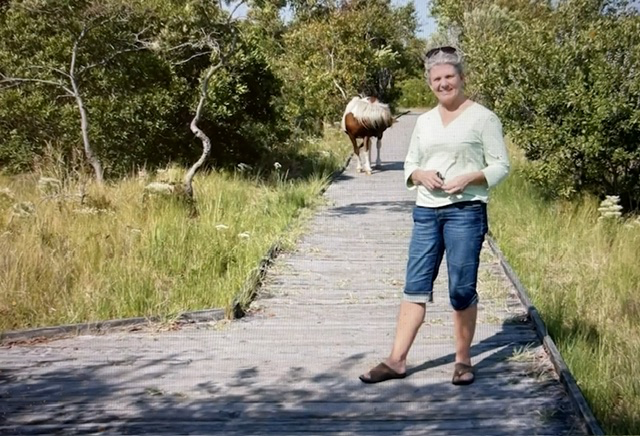
Assateague Island National Seashore
On a road trip to meet our daughters for a family vacation, we stopped at Assateague Island National Seashore. One of the unforgettable experiences there was seeing the famous wild horses wandering freely through the landscape. In this photo, one of the horses calmly stood along the boardwalk. Encounters like this are part of what makes Assateague such […]

