Potomac Heritage National Scenic Trail
Some National Park units are defined by a single destination. The Potomac Heritage National Scenic Trail is different. Rather than leading visitors to one landmark, it connects hundreds of miles of landscapes, historic sites, and communities linked by one of America’s most important rivers. It is a journey through both nature and history, following routes that have shaped the nation for centuries.
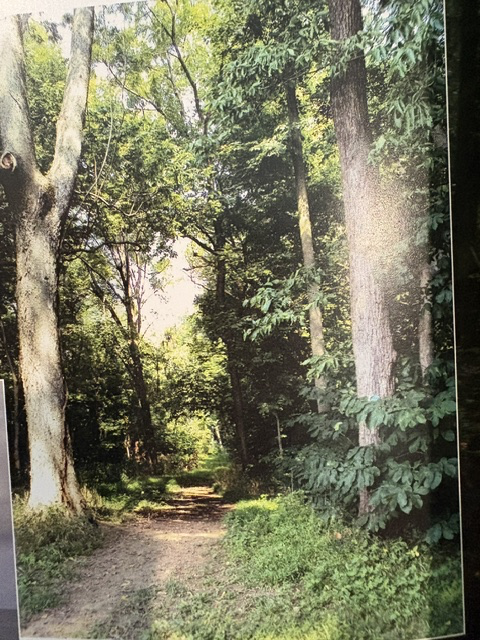
Established by Congress in 1983, the Potomac Heritage National Scenic Trail extends from the mouth of the Potomac River on the Chesapeake Bay through Maryland, Virginia, Pennsylvania, and the District of Columbia to the Allegheny Highlands. Unlike a single continuous trail, it is a network of existing trails, waterways, and historic routes that together tell the story of the Potomac River and the people who have lived, traveled, and worked along its shores.
Long before Europeans arrived, Indigenous peoples used these river corridors as transportation routes, hunting grounds, and places of trade. Later, colonial settlers recognized the importance of the Potomac as a gateway into the American interior. Among them was George Washington, who explored much of this region as a young surveyor. He believed the Potomac River could become the nation’s principal route connecting the Atlantic coast with the growing settlements west of the Appalachian Mountains. Visitors walking sections of the trail today often follow the very landscapes that Washington knew more than two centuries ago.
What makes the Potomac Heritage National Scenic Trail unique is its variety. A single journey may include forest paths, canal towpaths, Civil War battlefields, river overlooks, quiet country roads, and bustling urban waterfronts. The trail can be explored on foot, by bicycle, on horseback, or by canoe and kayak, allowing visitors to experience the region much as generations before them did.

Read More From Nancy
Prince William Forest Park
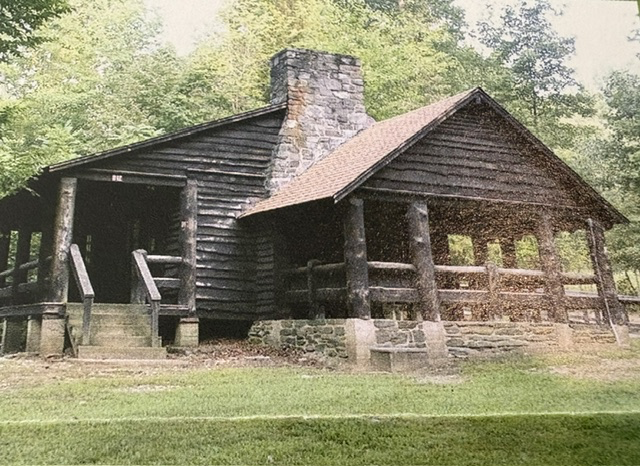
Prince William Forest Park preserves nearly 15,000 acres of woodland approximately thirty-five miles south of Washington, D.C. It is the largest protected green space in the Washington metropolitan region and contains the largest example of Piedmont Forest managed by the National Park Service. Beneath its canopy, Quantico Creek and its tributaries flow through a landscape […]
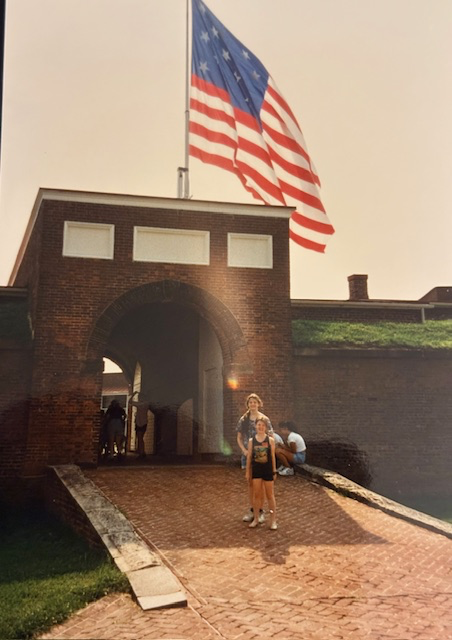
Fort McHenry National Historic Site
Fort McHenry was a quick stop on our travels south, but it is a place that carries a powerful place in our nation’s history. It is here that one of the most recognizable symbols of our country was born: The Star-Spangled Banner. During the Battle of Baltimore in September 1814, British forces launched a relentless bombardment […]
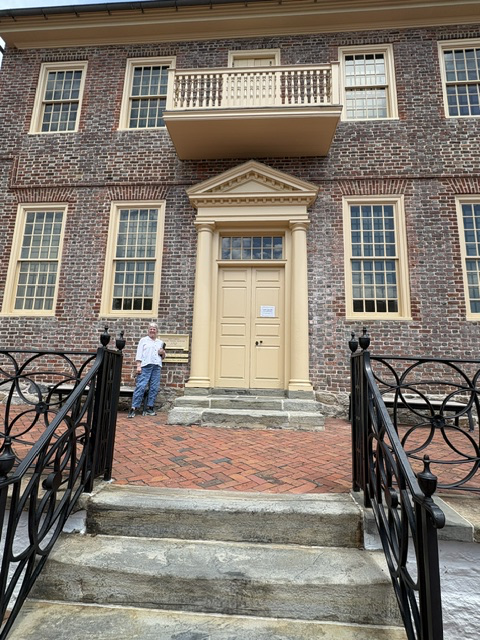
First State National Historical Park
For decades of my National Park explorations, Delaware was the only state that did not have a location within the National Park Service…….until 2013, when President Barack Obama established First State National Historical Park as a new unit of the National Park Service. Delaware is known as “The First State” because it was the first […]

