Johnstown Flood National Memorial
One of the most powerful exhibits at the Johnstown Flood National Memorial in South Fork, Pennsylvania, tells the story of Dr. Victor Heiser, a young medical student who survived one of America’s worst disasters. As the South Fork Dam gave way on May 31, 1889, Heiser was swept away in the floodwaters. He managed to climb onto the roof of a barn and rode the crest of the devastating flood wave until it finally came to rest. His remarkable survival was only the beginning of a distinguished career in medicine, but he never forgot the events of that day.
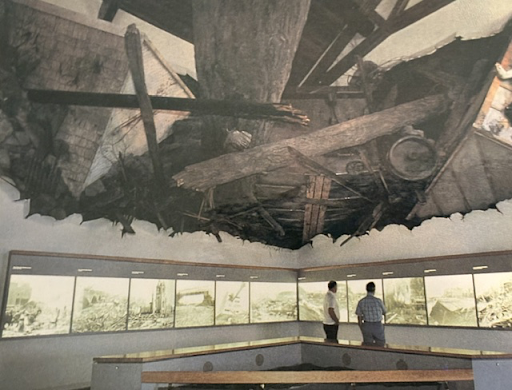
The exhibit recreates his terrifying journey and helps visitors understand the tremendous force of the flood that destroyed Johnstown and claimed the lives of more than 2,200 people. Standing in front of it, it is difficult to imagine the destruction that followed the collapse of the South Fork Dam.
Before visiting this National Park Service site, I had never heard the story of the Johnstown Flood. Like many of the parks I have visited, it introduced me to an important chapter of American history that had somehow escaped my education. As I learned more, what struck me most was the controversy surrounding the South Fork Fishing and Hunting Club, a private retreat owned by some of the wealthiest industrialists of the Gilded Age. Historians have long debated whether alterations made to the dam by the club weakened the structure and contributed to its catastrophic failure. Although legal responsibility was never established, the disaster became a turning point in discussions about corporate responsibility and public safety.
The Johnstown Flood National Memorial was established in 1964 to preserve the remains of the South Fork Dam and tell the story of the flood. Walking through the visitor center and seeing exhibits like this one reminds us that history is often shaped by both natural forces and human decisions. It is a sobering reminder that the choices we make can have consequences far beyond what anyone could imagine.
One of the reasons I continue to visit units of the National Park System is because they introduce me to stories like this. Stories I might never have discovered otherwise. Each park adds another chapter to my understanding of America’s history and reminds me that some of our nation’s most important lessons are found in places few people ever think to visit.
Read More From Nancy
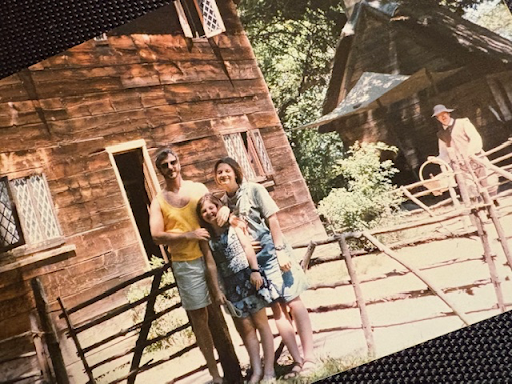
Booker T. Washington National Monument
During our 1996 family road trip to Atlanta for the Olympic Games, one of the historic sites we stopped along the way was Booker T. Washington National Monument in rural southwestern Virginia. Tucked into the rolling countryside, the site preserves the birthplace and early childhood environment of one of the most influential African American leaders in […]
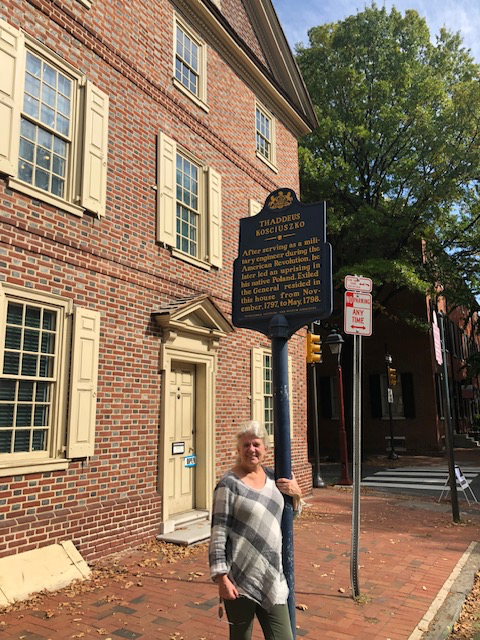
Thaddeus Kosciuszko National Historical Park
I visited the Thaddeus Kosciuszko National Historical Park a few years ago. Tucked along a narrow street in Philadelphia’s Society Hill neighborhood is a house that reveals the story of a man whose ideals helped shape two nations. Thaddeus Kosciuszko was a Polish-born military engineer and idealist who came to America during the Revolutionary War. He […]
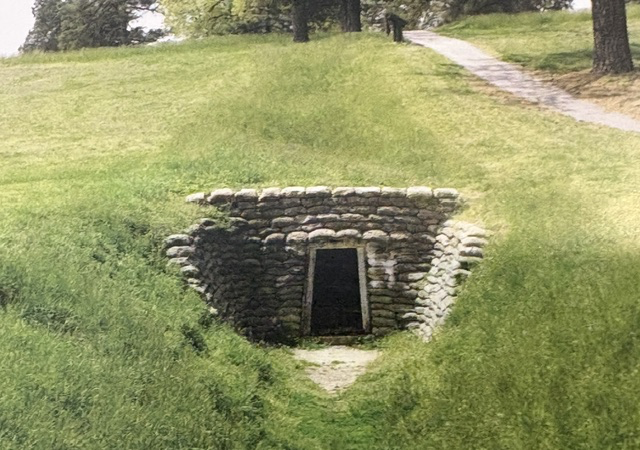
Petersburg National Battlefield
Petersburg National Battlefield in Petersburg, Virginia, preserves the site of one of the longest and most important campaigns of the Civil War. Established as a national military park in 1926, it tells the story of the ten-month siege that ultimately led to the fall of both Petersburg and the Confederate capital of Richmond. The earthwork […]

