Mourning Painting
One of the unexpected discoveries during our visit to the Dedham Museum was this small watercolor known as a mourning painting. At first glance, it appears to be a peaceful landscape—a willow tree shading a funerary urn and memorial tablet. Looking more closely, however, it becomes a deeply personal expression of love and loss.
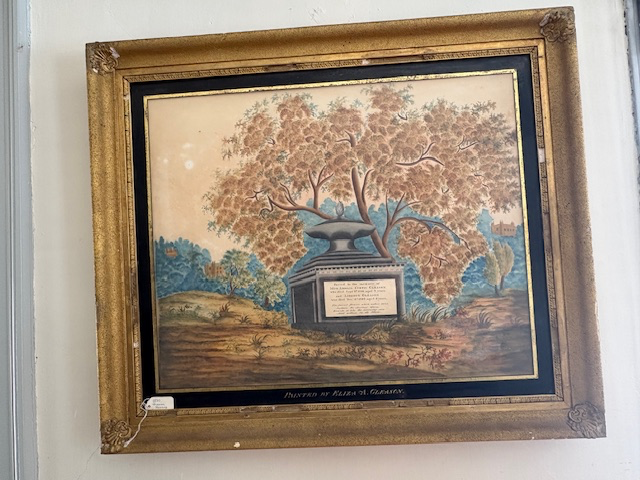
The painting was created by Eliza Gleason in the 1820s to commemorate her brother, Liberty, and her sister, Abigail, both of whom died as children. Before photography, families often commissioned or created mourning paintings as lasting memorials to loved ones. Displayed in the home, they served not only as works of art but as daily reminders of those who had been lost.
Every element of the painting carries symbolic meaning. The classical urn represents remembrance, while the weeping willow was one of the most familiar symbols of mourning during the eighteenth and nineteenth centuries. Together they expressed both the sorrow of death and the hope of eternal life, reflecting the religious beliefs that shaped much of early New England.
What makes this painting especially meaningful is the historical context it represents. Today, the death of a child is uncommon, but in early America it was a heartbreaking reality of everyday life. Illnesses that are now preventable or treatable often claimed young lives, and many families experienced the loss of multiple children. Historians estimate that between twenty and thirty percent of children died before reaching the age of ten. Most adults grew up knowing the grief of losing a brother or sister.
This small painting in the Dedham Museum represents countless untold stories from early New England. Although every family experienced loss differently, many sought comfort by preserving the memory of those they cherished. More than two hundred years later, this simple watercolor continues to fulfill that purpose, quietly inviting each visitor to pause, reflect, and remember that the history of a community is ultimately the history of its families.
Read More From Nancy
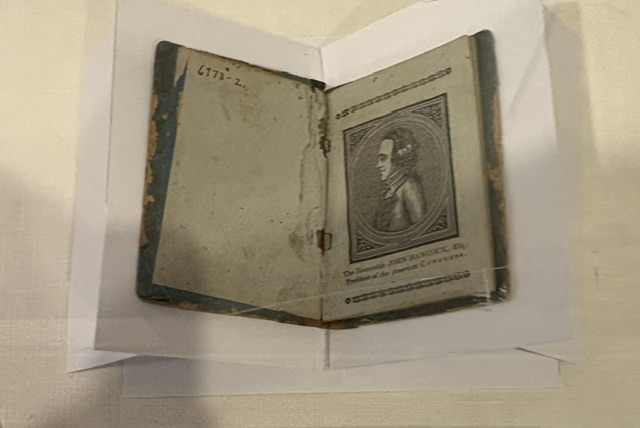
A 1777 Child’s Primer in Revolutionary
Inside Buckman Tavern in Lexington, I came across this remarkably small book. It is a children’s primer dating from 1777, only two years after the fighting at Lexington and Concord and just one year after the Declaration of Independence. On the first page, John Hancock is identified as a leader of the new nation. That […]
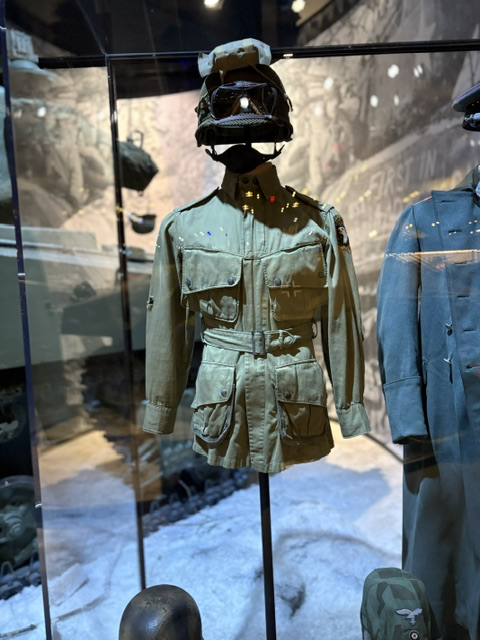
M42 Jump Jacket
While visiting the American Heritage Museum in Hudson, one exhibit drew my attention because it represented more than a uniform. It represented the courage of the young men who volunteered for one of the most dangerous assignments of World War II. Displayed behind glass is an M42 jump jacket worn by Private Duane Tedrick of […]
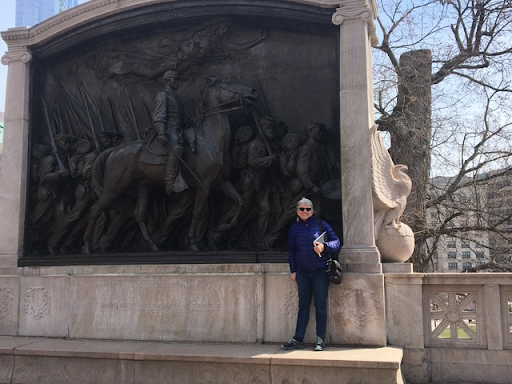
Shaw Memorial
Every time I visit Boston Common, I find myself stopping to admire this remarkable relief by Augustus Saint-Gaudens. Not only is it one of the finest works of public art in America, but it captures its subject with extraordinary power and dignity. Rather than glorifying war, the sculpture honors the courage, sacrifice, and determination of […]

