The Giant Lobster at Pemaquid Point
While visiting Pemaquid Point Lighthouse, I expected to learn about shipwrecks, lighthouse keepers, and Maine’s rocky coast. I didn’t expect one of the exhibits that would capture my attention most to be a giant lobster.
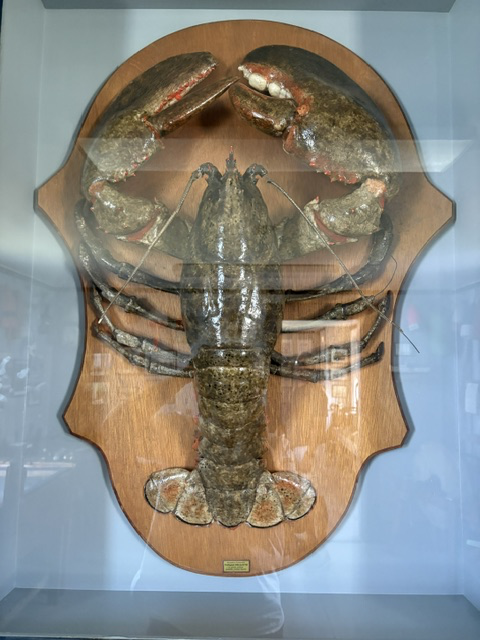
Displayed inside the Fishermen’s Museum at Pemaquid Point is a mounted lobster weighing twenty-eight pounds. It was caught off the coast of Rhode Island during the 1960s and serves as a reminder of the remarkable size these crustaceans can attain. A nearby display estimates the ages of lobsters by their weight, suggesting that an animal of this size had spent many decades growing beneath the waters of the North Atlantic. While modern scientists recognize that a lobster’s exact age cannot be determined from its size alone, there is little doubt that this was an exceptionally old animal.
For centuries, lobsters have been an important part of life along the New England coast. Early colonists considered them so plentiful that they often washed ashore after storms. They were commonly used as fertilizer, fed to livestock, or served to prisoners and indentured servants. Over time, however, improvements in transportation and changing tastes transformed the lobster into one of New England’s most celebrated seafood delicacies and one of Maine’s defining industries.
The lighthouse and the lobster may seem like very different exhibits, yet together they tell the story of a coast shaped by both the sea’s dangers and its abundance. Sometimes the most memorable museum exhibits are the ones we never expected to find. This giant lobster is more than a curiosity. It is a reminder of the rich maritime heritage that has sustained New England communities for generations and continues to define the character of Maine’s coast today.

Read More From Nancy

Goldenrod
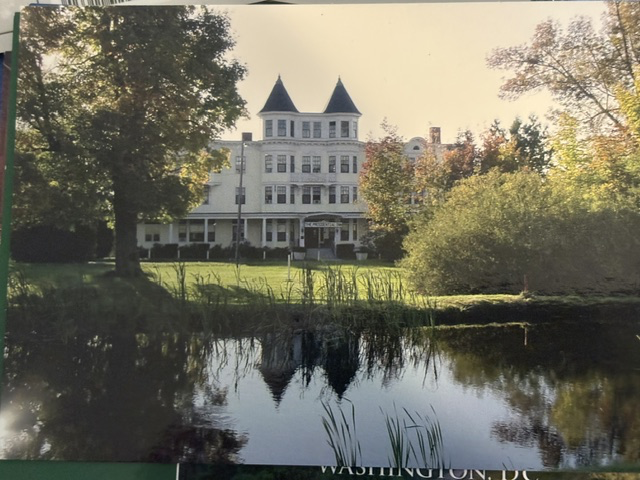
Every year, I travel to York Maine, to revisit many of the usual sites. One of these places is The Goldenrod, a place that feels as timeless as the tides rolling onto Short Sands Beach. No trip to York is complete without stepping inside this landmark, where the air is sweet with the scent of […]
Sabbathday Lake Shaker Village
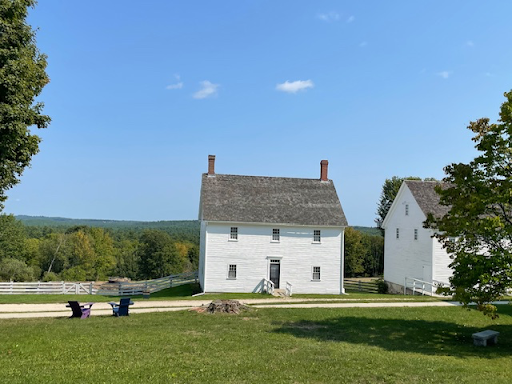
By far one of my favorite places to visit in Maine is the Sabbathday Lake Shaker Village. Over the years, I have visited many places associated with the Shakers, but this community is unlike any other. It is home to the last active Shaker community in the world. Today, only three Shakers continue the religious […]
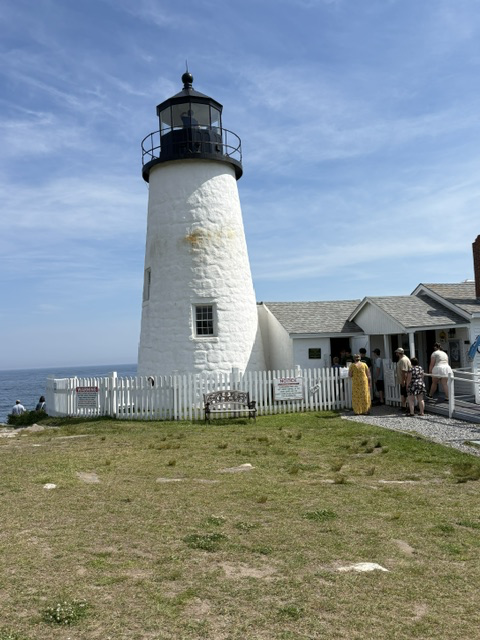
Pemaquid Point Lighthouse
One of the pleasures of traveling is discovering places you never expected to visit. Pemaquid Point Lighthouse was one of those discoveries. As we made our way home from the Canadian Maritime Provinces, we learned about this historic lighthouse on the coast of Maine and decided to make a short detour. It turned out to […]

