Harvard Center Cemetery
One of the best places to understand a town is the cemetery. More than a collection of gravestones, it is a record of the people who built the community and the lives they lived.
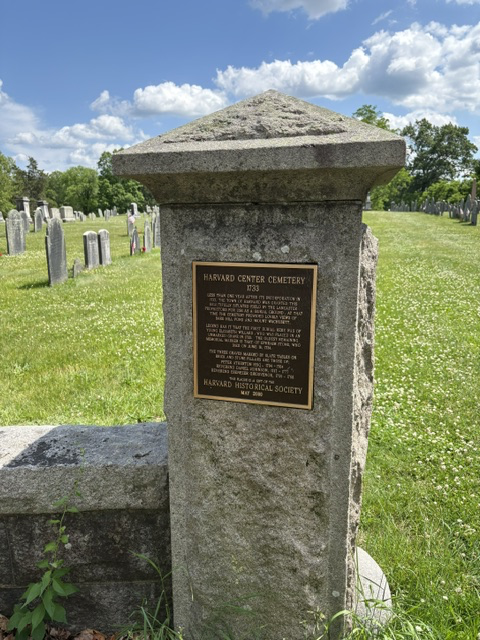
Harvard Center Cemetery was established in 1733, just one year after the town was incorporated. Since then, generations of Harvard families have been laid to rest here, creating a place where nearly three centuries of local history can be read one stone at a time.
Walking through the cemetery, the oldest slate markers immediately catch my attention. Their weathered surfaces, carved lettering, and symbolic artwork reflect the traditions of early New England. Winged skulls gradually gave way to cherubs and later to willow trees and urns, illustrating changing attitudes toward death, remembrance, and faith. The stones themselves are reminders that cemeteries can also be outdoor museums of early American craftsmanship.
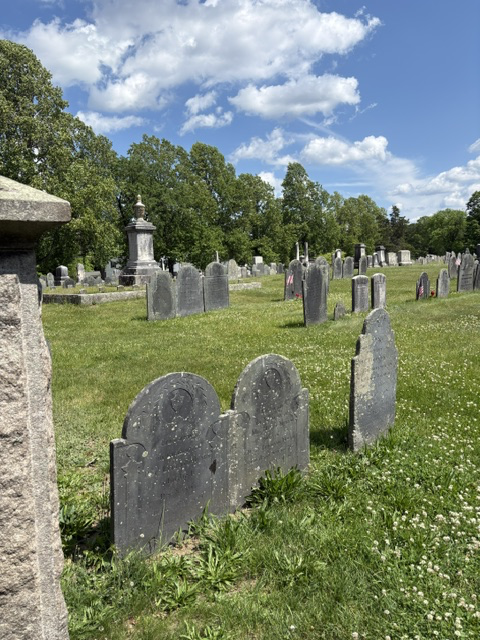
The cemetery is also the resting place of men and women whose lives were shaped by the events that formed our nation. Veterans of the French and Indian War, the American Revolution, the Civil War, and later conflicts lie here alongside farmers, ministers, merchants, and families whose daily work quietly shaped the town. Together, they tell the story of a community that grew from a small colonial settlement into the Harvard we know today.
As I visit places like this, I am reminded that cemeteries are not simply places of mourning. They are places of remembrance and reflection. Every stone represents a life lived, a family connected to the town, and another chapter in its history. Walking among these markers allows us to see history not as a series of distant events, but through the lives of the ordinary people who experienced them and, in their own way, helped shape the community that continues today.
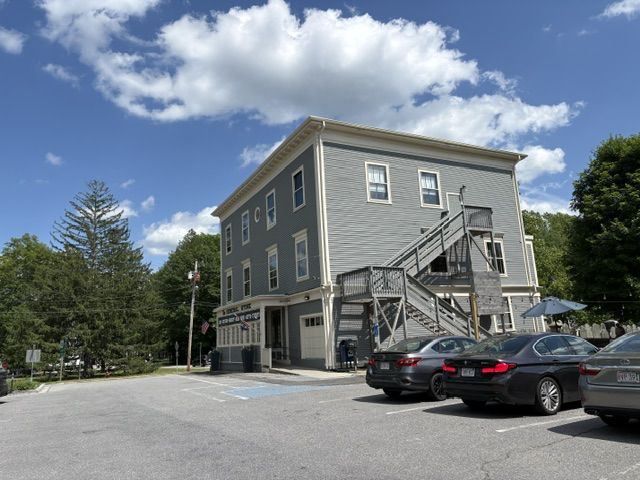
Read More From Nancy
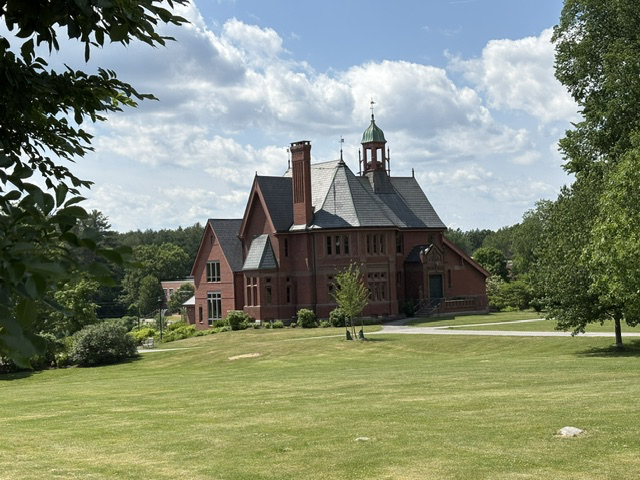
Old Bromfield School
As we walked through Harvard, Massachusetts, this impressive red brick building drew my attention. Its steep slate roof, distinctive cupola, and richly detailed brickwork suggested that it had been built for something important. It was. Completed in 1878, the Old Bromfield School was made possible through the generosity of Margaret Bromfield Pearson Blanchard. At the time, […]
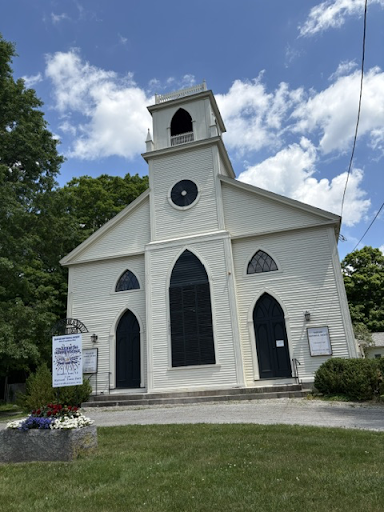
Still River Baptist Church
One of the things I appreciate about traveling through New England is discovering historic buildings that have continued to serve their communities in new ways. The Still River Baptist Church was built in 1832 to serve a congregation whose roots date to 1776. Organized just days before the signing of the Declaration of Independence, the […]
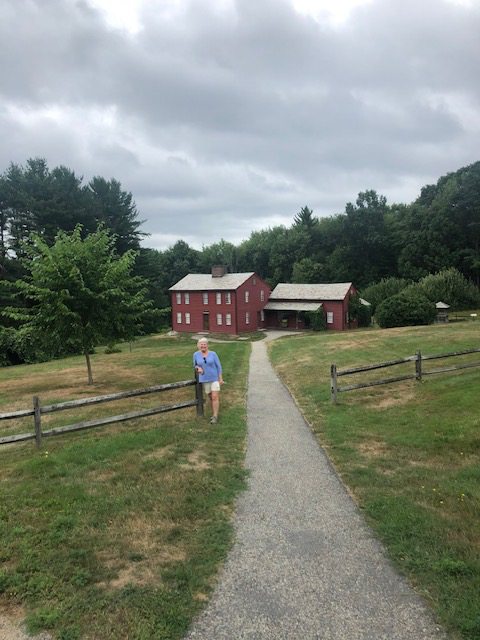
Fruitlands Farmhouse
The farmhouse at Fruitlands is a house that we visited often. When my daughters were volunteering at the Orchard House in Concord, the farmhouse at Fruitlands helped fill in another part of the story of the Alcott Family. It was here that Bronson Alcot attempted to create and intentional community based on transcendentalist ideals. In […]

