Saguaro National Park
Saguaro National Park, established in 1994 near Tucson, Arizona, preserves one of the most recognizable landscapes in the American Southwest. It is home to the nation’s largest cactus, the giant saguaro, a plant found naturally only in the Sonoran Desert. Some of these remarkable cacti live for more than 150 years and can grow to heights of 40 feet or more.
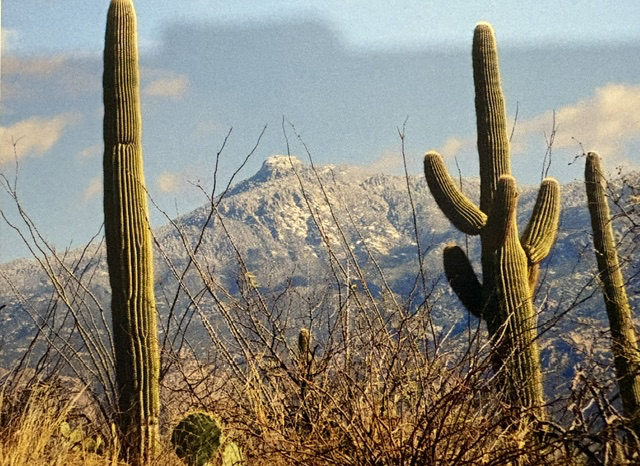
Driving through the park at dusk is an unforgettable experience. As the sun begins to set, the silhouettes of the towering saguaros stretch across the desert. With their outstretched arms, they almost seem like people standing quietly across the landscape, each with its own unique shape and personality. It is one of those scenes that stays with you long after you leave.
Long before this became a national park, the Sonoran Desert was home to the Hohokam people, who developed sophisticated irrigation systems and farmed this arid land more than a thousand years ago. Later came ranchers, homesteaders, and miners, each finding ways to build a life in what at first appears to be an unforgiving environment.
One of the surprises of visiting Saguaro National Park is discovering that the desert is anything but empty. It is filled with life, from the giant saguaros and colorful wildflowers to coyotes, javelinas, roadrunners, and countless other plants and animals uniquely adapted to this harsh climate.
Standing among these magnificent cacti, I was reminded that every landscape has its own character and rhythm. The Sonoran Desert may appear quiet and still, but it tells a story of resilience, adaptation, and survival. It is a place that invites you to slow down, look carefully, and discover a beauty that reveals itself one moment at a time.
Read More From Nancy
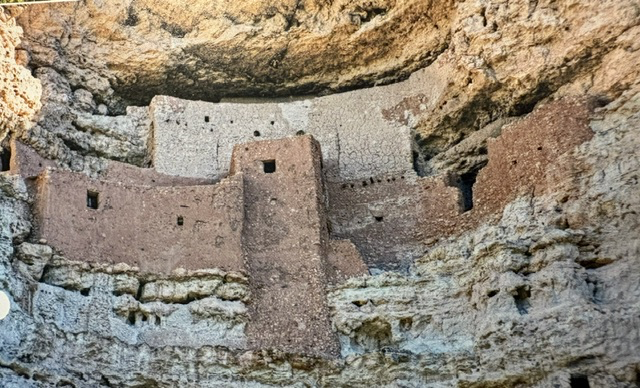
Montezuma Castle National Monument
Some of the most remarkable accomplishments in North America were built long before Europeans arrived. Montezuma Castle National Monument preserves one of those extraordinary achievements: a five-story cliff dwelling that has stood for more than eight centuries. Montezuma Castle National Monument was established on December 8, 1906, by President Theodore Roosevelt under the newly enacted […]
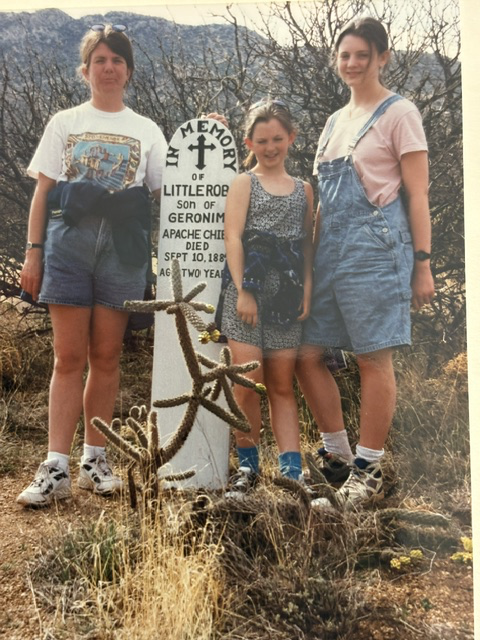
Fort Bowie National Historic Site
Walking into Fort Bowie National Historic Site was a hot and dry experience, and in many ways that added to the feeling of the place itself. The long walk across the desert landscape gave us a small sense of the isolation and harsh conditions faced by those who lived and fought here. As we moved through the heat and silence, […]
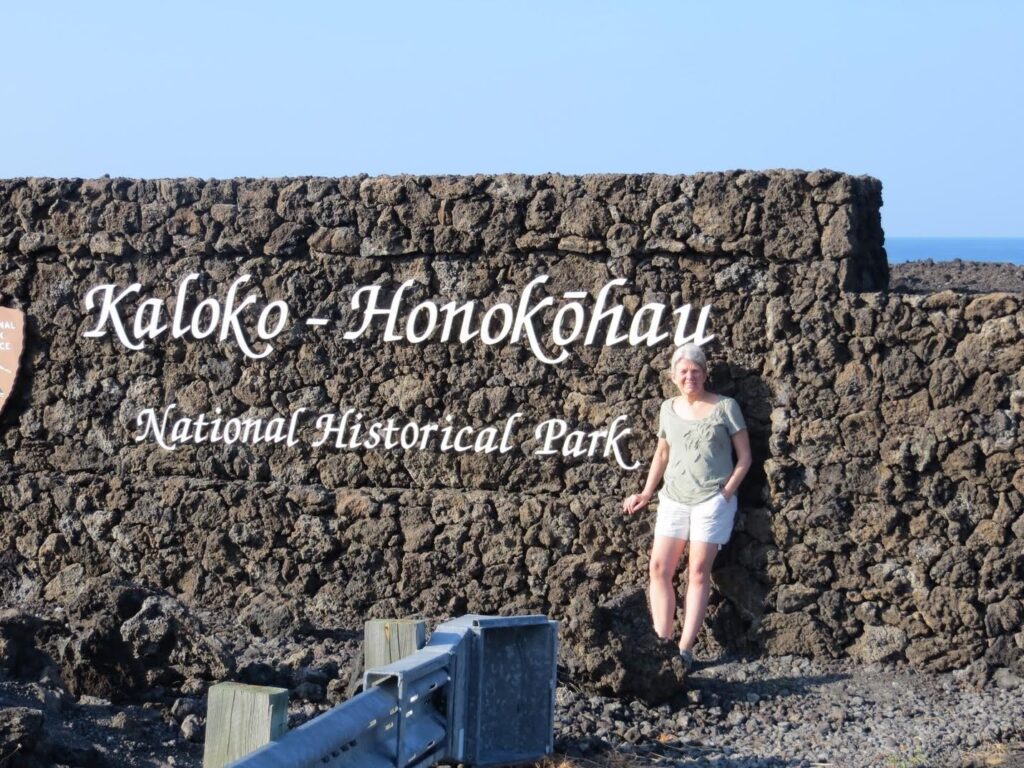
Kaloko-Honokohau National Historical Park
Visiting Kaloko-Honokohau National Historical Park on the Big Island is an encounter with a living cultural landscape that reflects how Natick Hawaiians sustained themselves for centuries in balance with land and sea. In the park are the traditional fishponds built from lava rock and guided by tidal flow. Fish were allowed to enter and grow which provided […]

