Kaloko-Honokohau National Historical Park
Visiting Kaloko-Honokohau National Historical Park on the Big Island is an encounter with a living cultural landscape that reflects how Natick Hawaiians sustained themselves for centuries in balance with land and sea.
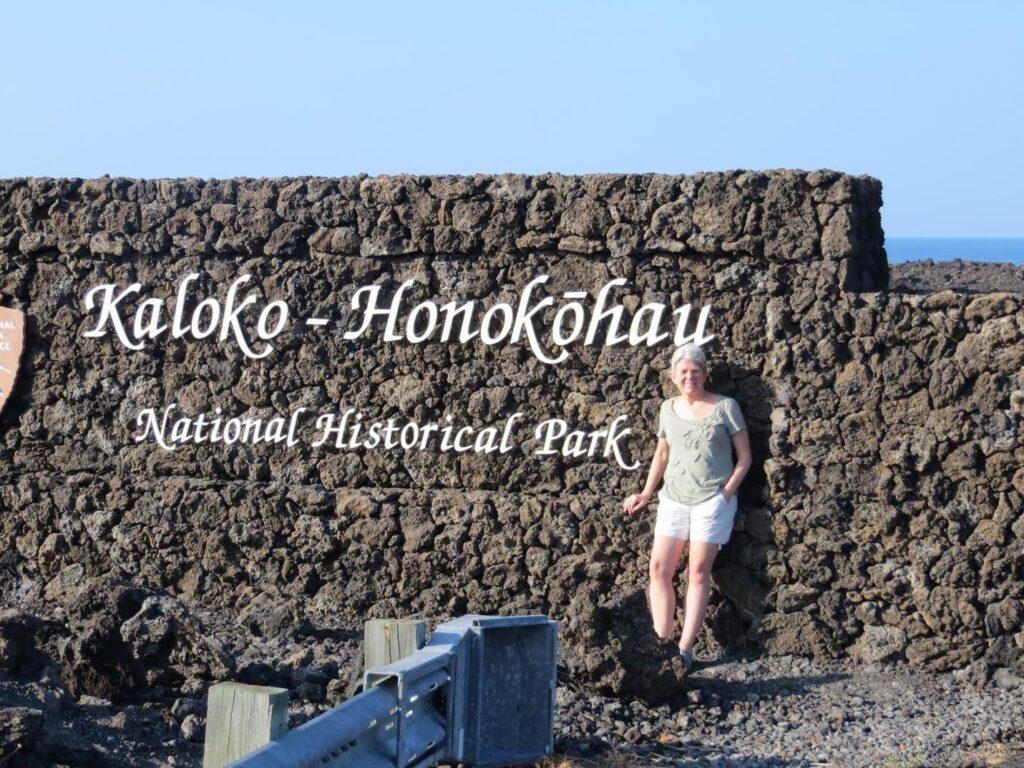
In the park are the traditional fishponds built from lava rock and guided by tidal flow. Fish were allowed to enter and grow which provided a renewable food source. The surrounding lava fields hold the imprint of everyday life: house platforms, petroglyphs and the remains of a village.
Recognizing the national significance of this place, Jimmy Carter signed legislation in 1978 establishing Kaloko Honokohau as a National Historical Park. This designation marked a growing acknowledgement that indigenous knowledge systems are central to the American story and deserve to be protected.
Read More From Nancy
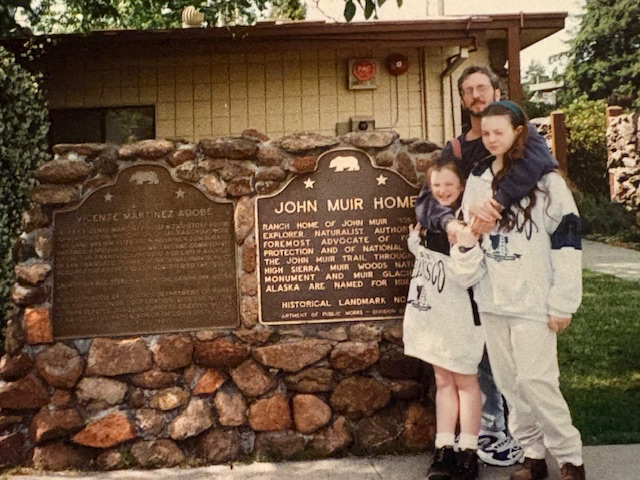
John Muir National Historic Site
John Muir’s home in California offers a intimate window into the life of one of America’s most influential conservationists. Located northeast of San Francisco, the site is preserved today as John Muir National Historic Site. Muir lived here from 1889 until his death in 1914. While many picture him wandering through Yosemite or Alaska’s glaciers, this […]
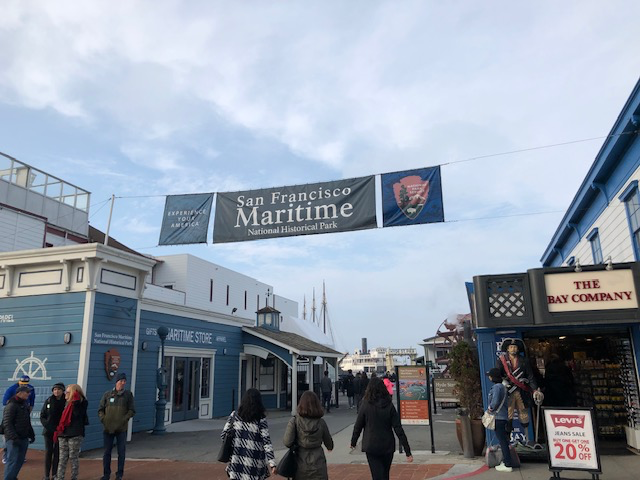
San Francisco Maritime National Historical Park
Walking along Aquatic Park in San Francisco, I made my way to the Hyde Street Pier and the visitor center of San Francisco Maritime National Historical Park. San Francisco’s identity was forged by the sea. When gold was discovered in 1848, ships began arriving from everywhere: New England, South America, Europe, China, Australia. The sea routes brought […]
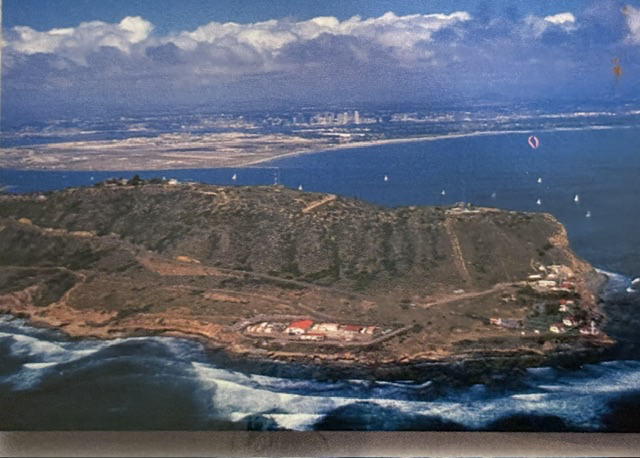
Cabrillo National Monument
At the southern end of the Point Loma Peninsula, Cabrillo National Monument overlooks the Pacific Ocean, San Diego Bay, and the city beyond. The views alone make this a beautiful place to visit, but the location also preserves several important chapters in the history of San Diego and the West Coast. On September 28, 1542, […]

