Chateau de Chambord
While staying in Paris, we took a day trip into the Loire Valley, a region of France known for its picturesque countryside, charming villages, vineyards, and magnificent châteaux. It is an area that truly looks as though it belongs in a fairy tale. Of all the castles we saw, Château de Chambord is perhaps the most recognizable.
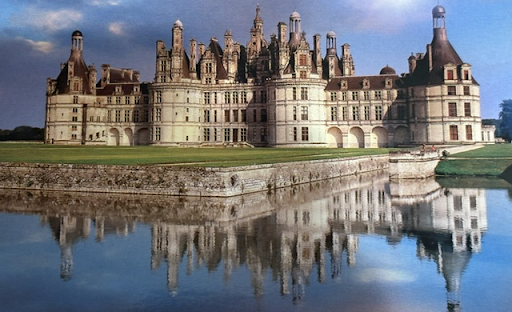
Construction of Chambord began in 1519 under the direction of King Francis I, who envisioned a grand Renaissance palace that would reflect the wealth and prestige of the French monarchy. Although it was intended primarily as a hunting lodge rather than a permanent residence, the scale of the château is extraordinary. It contains more than 440 rooms, over 280 fireplaces, nearly 80 staircases, and is surrounded by the largest enclosed park in Europe.
One of the château’s most famous architectural features is its remarkable double-helix staircase. Historians believe its design may have been inspired by Leonardo da Vinci, who spent the final years of his life in France under the patronage of King Francis I. Two people can climb the staircase at the same time, seeing one another through openings, yet never actually crossing paths.
Visiting Chambord, I was struck by its incredible roofline with towers, chimneys and dormers. It did not look like a single building, but an entire village rising above the landscape. Its reflection in the moat adds to its fairytale appearance.
Today, Château de Chambord is recognized as one of the masterpieces of French Renaissance architecture and is part of the UNESCO World Heritage Site that encompasses the Loire Valley. Visiting this region gave me a greater appreciation for how the French monarchy expressed its power not only through government and military strength, but also through architecture, art, and culture.
Read More From Nancy
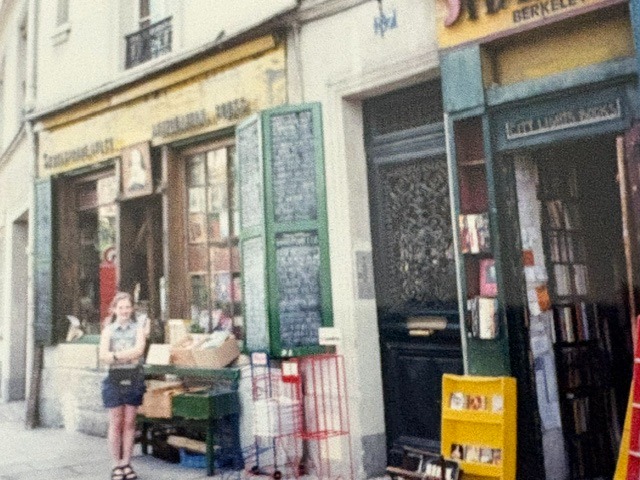
A Family Tradition of Bookstores
Visiting bookstores has long been part of how our family travels. Wherever we go, we enjoy making time to browse the shelves and discover a place through its books. In Paris, that tradition brought us to Shakespeare and Company. Both of our daughters are pictured at Shakespeare and Company: one outside among the books displayed […]
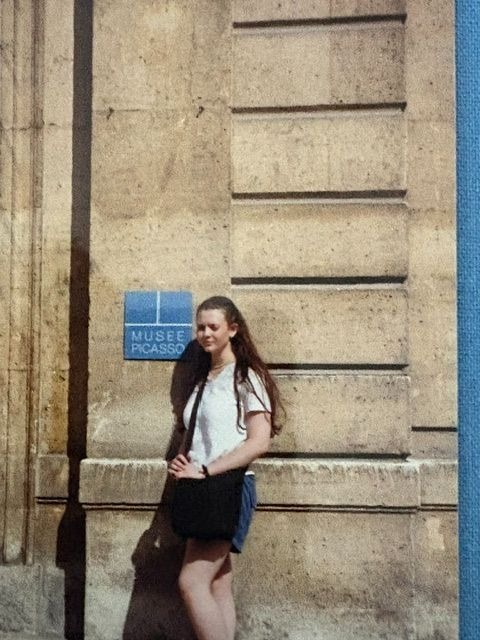
Musée Picasso
In the Marais district of Paris, the Musée national Picasso-Paris occupies a mansion whose history began more than three centuries before it became a museum. Known as the Hôtel Salé, the building brings together the legacy of a seventeenth-century fortune and the work of one of the twentieth century’s most influential artists. The mansion was […]
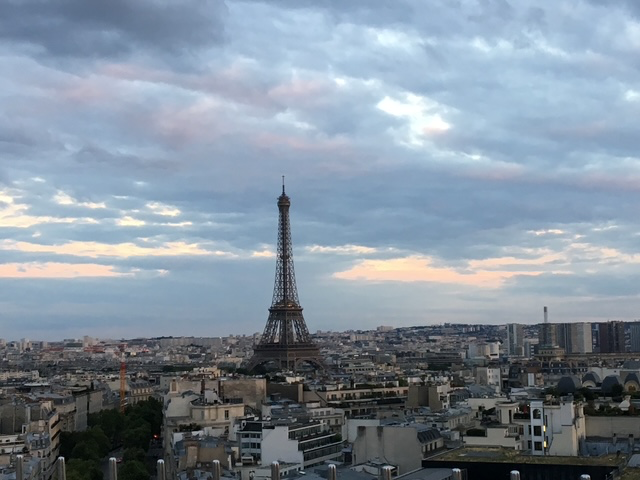
Eiffel Tower
There are certain landmarks across the world that have become instantly recognizable. Once you see them, you know exactly what they are and often where they stand. That is certainly true for the Eiffel Tower. The first time we visited Paris, of course we did what first-time visitors do: we took the ride up the […]

