Gravesites of Vincent and Theo Van Gogh
When we traveled as a family, we would try to find places that would spark the interests of our daughters. During a vacation in Paris, one of these special excursions was a train ride to the village of Auvers-sur-Oise, where Vincent Van Gogh spent the final weeks of his life and created many of his most famous paintings using the landscapes of this region as his inspiration.

Our visit allowed us to step into Van Gogh’s world. We toured the Auberge Raoux, where he rented a tiny room during the last months of his life, and walked the roads and paths that wind through the wheat fields and countryside he painted so often. Hearing the story of his time here brought a new appreciation for the extraordinary burst of creativity that marked the final ten weeks of his life. Under the care of Dr. Paul Gachet, Van Gogh completed more than seventy paintings during this brief period, capturing the beauty of the surrounding fields, cottages and village streets.
Our visit included visiting the simple graves of Vincent and his brother, Theo van Gogh. Covered with ivy and resting side by side, the modest stones reflect the bond between two brothers. Theo had supported Vincent emotionally and financially throughout his life, and in 1914 his widow arranged for Theo’s remains to be moved to Auvers so that the brothers could rest together.
The visit to Auvers-sur-Oise was about much more than art. It was about understanding the man behind the masterpieces and sharing the story with our daughters. Walking the same roads, seeing the same fields, and hearing the story of Van Gogh’s struggles and triumphs made this one of the most memorable experiences of our travels in France. Sometime our greatest lessons are found in the lives and stories of those who shaped our world through their gifts and their humanity.
Read More From Nancy
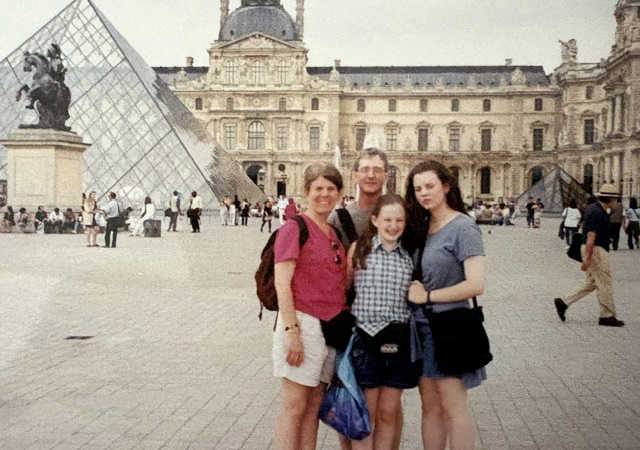
The Louvre Museum
The exterior of the Louvre reveals the long history of a building that was never created according to a single plan. Its courtyards, wings, pavilions and richly ornamented façades developed over centuries as successive rulers altered and expanded the structure to reflect their own needs and ambitions. The story began around 1190, when King Philip […]
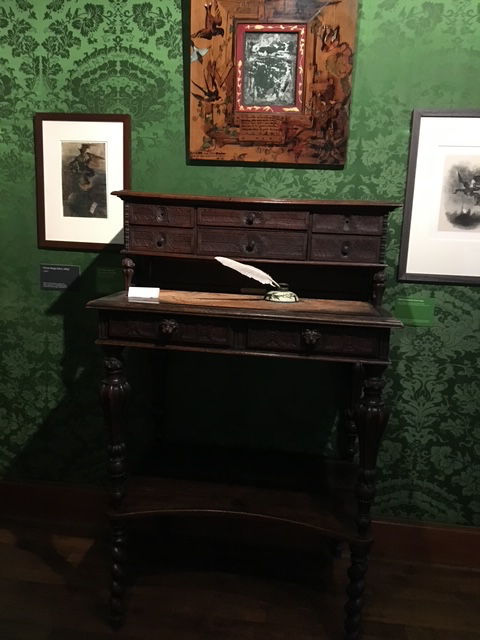
Victor Hugo’s Standing Desk
Victor Hugo was known for writing while standing, and this desk was arranged to accommodate that lifelong habit. Rather than being made as a single piece, it was assembled from existing furniture: a small secretary with drawers was placed upon a narrow table or shelf, raising the writing surface to the height Hugo required. The […]
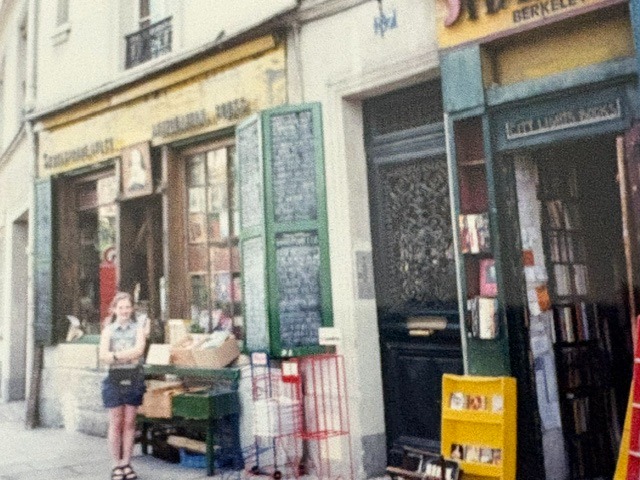
A Family Tradition of Bookstores
Visiting bookstores has long been part of how our family travels. Wherever we go, we enjoy making time to browse the shelves and discover a place through its books. In Paris, that tradition brought us to Shakespeare and Company. Both of our daughters are pictured at Shakespeare and Company: one outside among the books displayed […]

