Yellowstone National Park
Yellowstone National Park is best known for Old Faithful, but some of the park’s most fascinating features are found away from the crowds. One of those places is Punch Bowl Spring in the Upper Geyser Basin, a beautiful hot spring that has quietly fascinated visitors for generations.
Yellowstone holds a special place in American history. On March 1, 1872, President Ulysses S. Grant signed the Yellowstone National Park Protection Act, creating Yellowstone as the world’s first national park. The legislation set aside more than two million acres “for the benefit and enjoyment of the people,” establishing a model for national parks around the world.
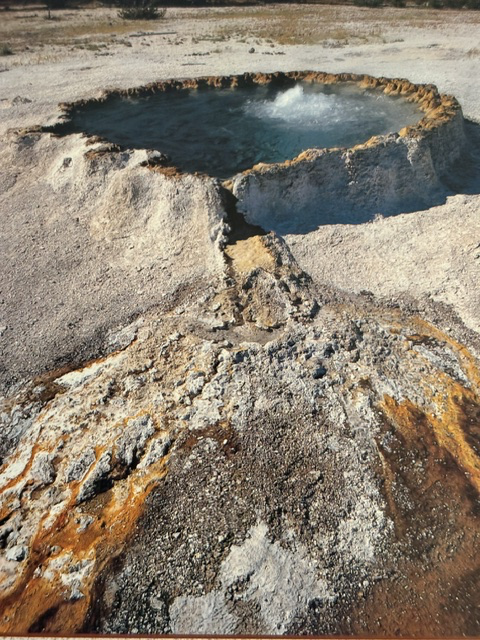
Punch Bowl Spring is named for its distinctive bowl-shaped rim, which has been built over thousands of years by deposits of geyserite. This hard, white rock forms when the hot, silica-rich water cools as it reaches the surface. Layer by layer, the mineral deposits gradually created the raised basin that gives the spring its unique appearance.
Unlike Yellowstone’s erupting geysers, Punch Bowl Spring is generally a quiet hot spring. Instead of dramatic eruptions, visitors are more likely to see the clear blue water gently bubbling as heat from deep beneath the earth escapes through the spring. The overflowing water carries dissolved minerals that stain the surrounding ground in shades of white, orange, yellow, and brown, evidence of the unique chemistry and heat that define Yellowstone’s geothermal landscape.
The creation of Yellowstone National Park in 1872 was such a visionary act. By preserving this remarkable landscape for future generations, the United States ensured that visitors from around the world could continue to experience the unique geology and natural wonders that make Yellowstone unlike any other place on Earth.
Read More From Nancy
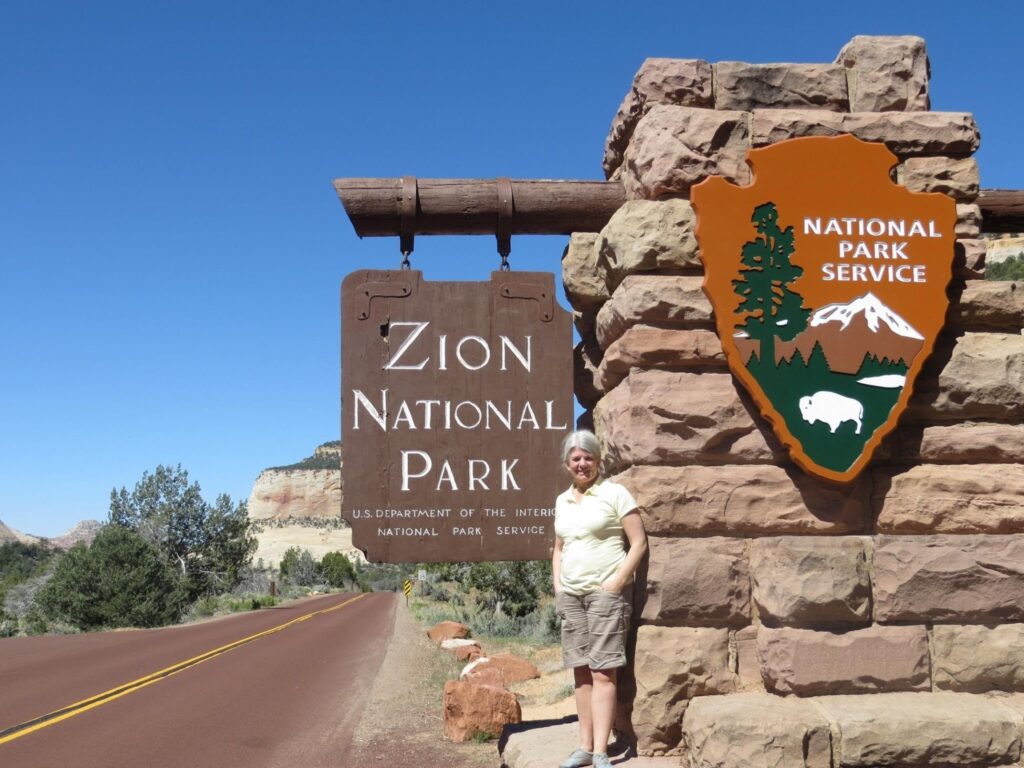
Zion National Park
The first time I visited Zion was on one of our family road trips. Like so many of those trips, we had a plan, places we wanted to see, miles to cover, but nothing really prepared me for what it felt like to enter Zion. There are places where the scale of the land reshaped […]
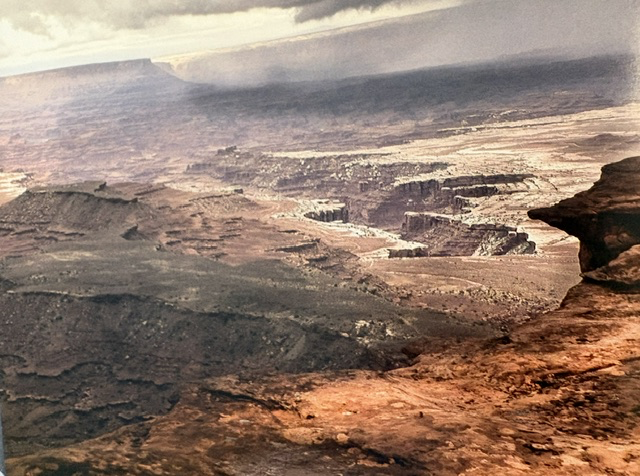
Canyonlands National Park
Stretching across southeastern Utah, this vast wilderness is a maze of deep canyons, towering mesas, rugged buttes, and sandstone cliffs that have been sculpted over millions of years by the Colorado River and the Green River. Canyonlands National Park was established on September 12, 1964, to preserve one of the most spectacular and unspoiled canyon […]
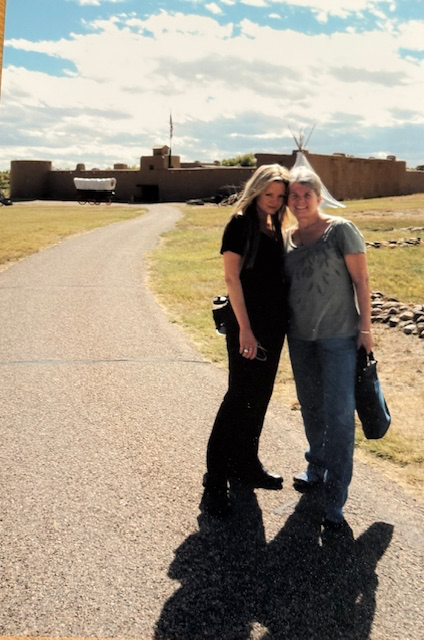
Bent’s Old Fort National Historic Site
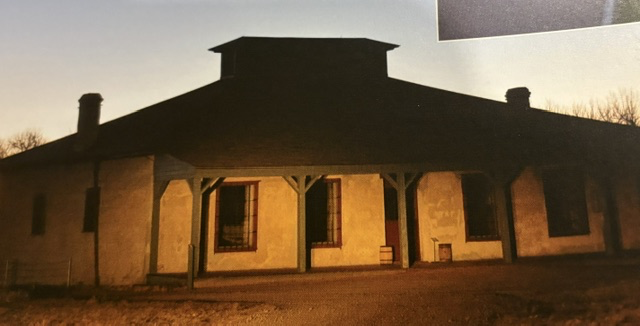
Bent’s Old Fort is a special site in Colorado, one that stands out not just for what it is, but for what it represents. I remember visiting it on our Colorado road trip with Emmy and Erin. This is not just a fort, it is a place of connection, trade and influence in the developing American […]

