Pine Tree Flag
While enjoying dinner in Sturbridge, my attention was drawn to a large Pine Tree Flag displayed on the wall. It was an unexpected reminder that history has a way of appearing in ordinary places.
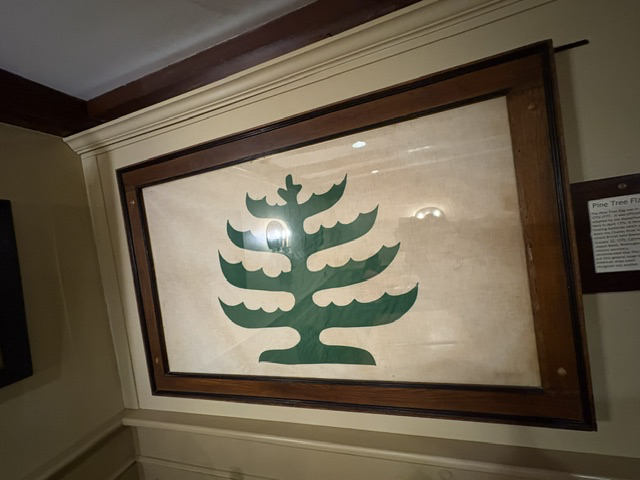
One of the most recognizable symbols of New England’s role in the American Revolution is the Pine Tree Flag. Although it is less familiar today than the Stars and Stripes, this simple design of a green pine tree on a white field carried a powerful message during the opening years of the Revolution.
The pine tree had long been a symbol of New England. Towering white pines were prized by the British Royal Navy for their tall, straight trunks, which were ideal for ship masts. Many of the finest trees were marked with the King’s Broad Arrow, reserving them exclusively for the Crown. Colonists often resented these restrictions, and the pine tree gradually became a symbol of resistance to British authority.
This version of the Pine Tree Flag was used from 1775 to 1777. In April 1776, it was officially adopted by the Massachusetts Navy and flew aboard vessels that defended the colony. According to the museum, it was also flown over floating batteries that sailed down the Charles River to attack British-held Boston. On October 20, 1775, Colonel Joseph Reed, General George Washington’s military secretary, recommended that the flag be placed into general use so American ships could recognize one another.
Before there was a national flag recognized around the world, there were regional symbols like this one that united people around a common cause. To the colonists, the pine tree represented strength, independence, and their deep connection to the land they called home.
It is easy to think of the American flag as having always existed, but our national identity evolved over time. The Pine Tree Flag reminds us that the path to independence was built one step at a time, with symbols that inspired courage long before the nation itself was fully formed. It is a reminder that even a single tree can become an enduring emblem of liberty when it represents the shared hopes of a people.


Read More From Nancy
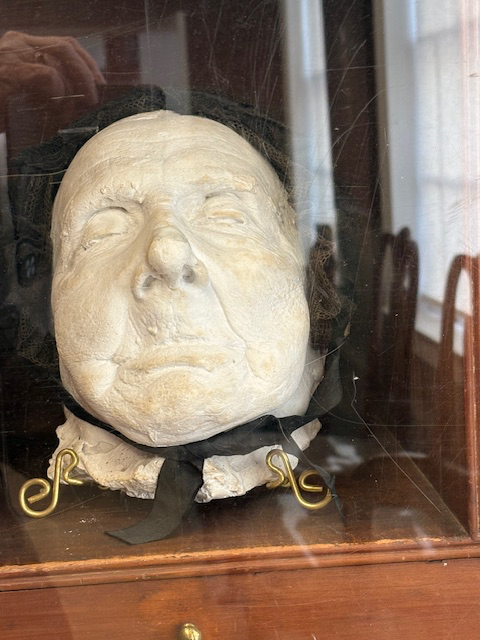
Death Mask
In the Dedham History Museum, is this death mask. An intimate impression of a person’s face taken shortly after death. The practice of creating death masks has a long history. In ancient Egypt, masks were place with the dead, though they were often idealized. In ancient Rome, families preserved wax masks of ancestors as a way to honor lineage […]
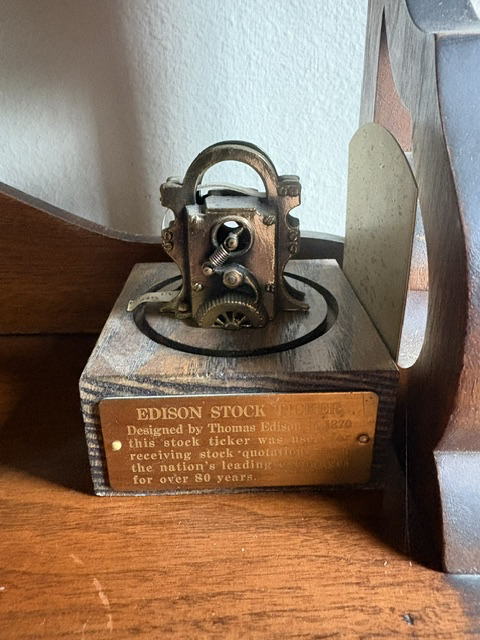
Edison Stock Ticker
Among the historical objects preserved at the Bancroft Memorial Library is an Edison stock ticker, a reminder of the period when electricity and telegraphy began transforming the speed at which information traveled. Before machines like this became available, brokerage firms depended upon messengers to carry the latest prices from the trading floor. By the time […]
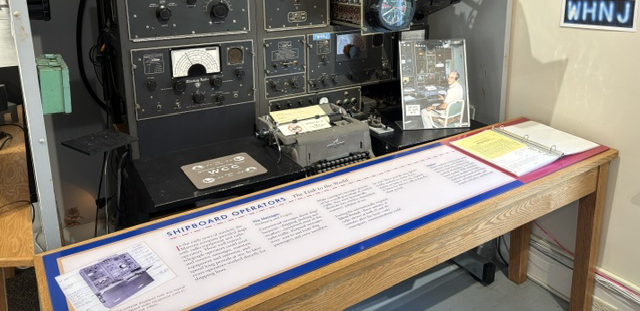
SS HOPE Shipboard Radio
The shipboard radio station from the SS HOPE, preserved at the Marconi-RCA Wireless Museum, represents the vital communications link between a ship at sea and the world on shore. The vessel began its service as the USS Consolation, a United States Navy hospital ship commissioned in 1945. It treated wounded service members during the Korean War and […]

